How to Find an Apartment in Ogudu, Lagos (2026)
Expert Listing
·
·
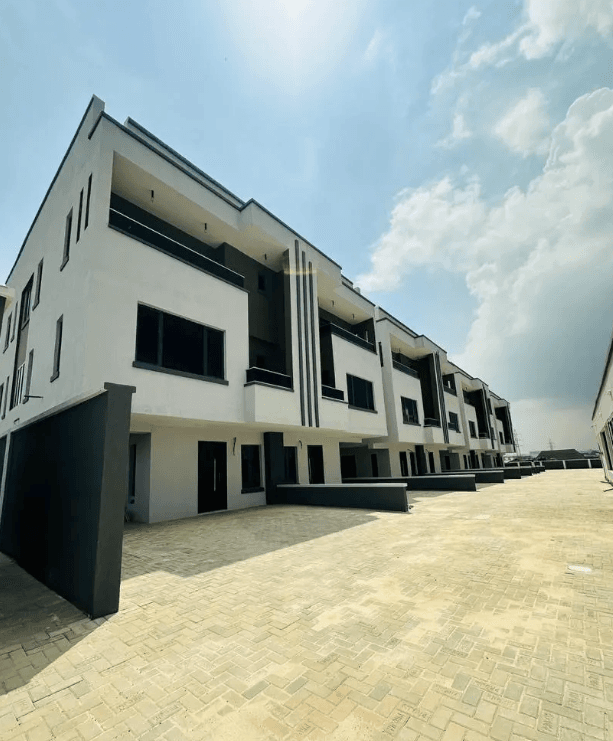
Finding an apartment in Ogudu is a fundamentally different experience from searching in surrounding areas like Ketu or Ojota. While those markets are often defined by sheer volume and lower price points, Ogudu exists as a middle-to-upper-tier sanctuary that attracts young professionals and families who want proximity to the Island without the chaos of the mainland core.
The challenge you will face here is not a lack of options, but a high-speed market where quality apartments are often taken within forty-eight hours of listing.
Because the area is a preferred residential hub for workers in Victoria Island and Ikoyi, you are competing against high-earning renters who are often ready to pay on the spot, which emboldens agents to be more demanding and less patient with indecisive seekers.
This guide is designed for the renter who needs to navigate this specific ecosystem without losing money to fraudulent agents or overpaying for subpar buildings.
You will learn how the Ogudu market functions in 2026, where the hidden costs lie, and how to identify the specific sub-zones that match your lifestyle and budget. We cover everything from the physical due diligence required during a viewing to the negotiation tactics that actually work with local landlords.
By the end of this guide, you will have a clear roadmap for positioning yourself as a serious candidate and securing a home that won’t leave you with regrets during the first rainy season.
If you want to browse verified, real-time listings while you read, start here: Verified apartments for rent in Ogudu on Expert Listing.

Understand the Market Before You Start Looking
Ogudu is one of the most stable and sought-after residential nodes on the Lagos Mainland, serving as a premium bridge between the commercial density of Ikeja and the accessibility of the Third Mainland Bridge. In 2026, the market is characterised by a significant supply-demand imbalance, particularly for modern one- and two-bedroom apartments.
The area has transitioned from a purely family-oriented suburb into a hotspot for “Island-adjacent” professionals who have been priced out of Lekki Phase 1 but still require a certain standard of security and infrastructure.
This demand is relentless, meaning that if you find a well-finished apartment at a fair price, you do not have the luxury of a week-long deliberation.
The supply in Ogudu is constrained by the fact that the area is largely built out, with very little vacant land left for new large-scale developments. Most “new” inventory comes from the redevelopment of older family bungalows into high-density blocks of flats.
This creates a fragmented market where you will find a mix of vintage, poorly maintained structures and brand-new, premium-priced apartments sitting side-by-side. The competition is driven largely by corporate tenants and young tech workers who value the area’s relatively superior power supply and its strategic location.
This competitive pressure has led to a rise in “agent-led” inflation, where prices are sometimes pushed beyond the actual value of the property simply because the demand exists.
The practical implication for you is that preparation is your only real advantage. In a market this fast, the renter who has their documentation and total move-in cost ready will always beat the renter who is still “scoping out the area.”
If you enter this market unprepared, you risk falling into the “compromise trap,” where you pay a premium price for a building with structural defects or poor management simply because you felt pressured to close a deal.
You must be able to distinguish between a genuinely high-value property and one that has merely been given a “face-lift” with cheap paint and modern light fixtures to justify an inflated 2026 rent.
Set Your Budget Including All Costs
The headline rent is only part of what you will pay in Ogudu. Many renters make the mistake of looking at the annual rent and assuming they are ready to move, only to be hit with an additional 30% to 50% in fees and deposits. In the 2025/2026 market, Ogudu rents reflect its status as a premium mainland zone.
For a standard one-bedroom apartment (mini-flat), you should expect to pay between ₦1,200,000 and ₦2,200,000, depending on the finish and the specific estate.
Two-bedroom apartments typically range from ₦2,500,000 to ₦4,500,000, while three-bedroom units in gated environments can easily exceed ₦5,500,000. These figures are for the rent alone; the total package requires a much higher initial outlay.
Service charges and facility levies are a significant component of living in Ogudu, especially in the newer serviced blocks or gated estates like Ogudu GRA.
These charges typically cover security, waste management, cleaning of common areas, and, crucially, the maintenance of shared generators.
You should budget for a service charge that adds approximately 15% to 25% to your monthly cost equivalent. In 2026, many landlords have shifted toward a “pay-as-you-go” system for power or a flat monthly fuel levy, which can fluctuate based on the current price of diesel.
Agency fees remain strictly set at 10% of the annual rent, and legal fees (agreement fees) usually follow at another 10%.
A caution deposit, which is refundable in theory but often used for end-of-tenancy repairs, is standard at a rate of one to two months’ rent.
- Annual rent: ₦3,000,000 (Example for a 2-bedroom)
- Service charges: ₦600,000 (Calculated at 20% per annum)
- Agency fee: ₦300,000 (10% of annual rent)
- Legal fees: ₦300,000 (10% of annual rent)
- Caution deposit: ₦250,000 (Approximately one month of rent)
- Total first-year outlay: 1.48 times the annual rent figure (Total: ₦4,450,000)
Do this calculation before you begin. It will save you from falling in love with an apartment that turns out to be outside your actual budget once all costs are accounted for.
Not sure about Ogudu? Read our area guide first.
Know the Zones Within Ogudu
Ogudu contains meaningfully different residential experiences depending on where within it you are looking, and knowing your target zone before you start viewing saves time and prevents disappointment.
The area is broadly divided between the high-end, highly regulated environments and the more organic, bustling neighbourhoods that offer more variety but less predictability.
Ogudu GRA is the crown jewel of the area and occupies the most strategic position with direct access to the Lagos-Ibadan Expressway. It is a strictly residential, gated community characterised by wide streets, quiet surroundings, and high-end security. This is the most expensive zone in Ogudu, housing the top-tier rental stock where 2026 prices are at their peak. It suits high-earning professionals and families who prioritise safety and a “quiet” Lagos experience. The primary advantage is the prestige and security, while the drawback is the high service charge and the distance from local markets or cheaper retail options.
Ogudu Orioke sits on the opposite side of the spectrum, offering a much denser and commercially active environment. The residential character here is mixed, with older tenement buildings standing alongside newer, modern “mini-flats” built for young singles. The price position is mid-range to accessible, making it a favourite for those who want the Ogudu address without the GRA price tag. It suits younger renters who enjoy being close to the action and local transport hubs. The main drawback is the noise levels and the occasional congestion on the narrow internal streets.
Ogudu Road (Main Axis) refers to the properties lining or immediately adjacent to the main artery connecting the area to Ojota. This zone is heavily mixed-use, with apartments often sitting above shops or offices. The price position is mid-range, and it suits renters who do not own cars and need easy access to public transportation. While convenient, the main disadvantage is the lack of privacy and the constant dust and noise from the heavy traffic along the corridor.
Alapere/Ogudu Borders represent the expanding edge of the market where newer developments are popping up to meet the overflow of demand. These areas offer some of the newest apartment stock with modern fittings at a slightly lower price point than the central Ogudu zones. It suits budget-conscious renters who are willing to deal with slightly longer commute times in exchange for a “brand new” interior. However, you must be cautious about flood risks in certain parts of this zone, as some areas are closer to the canal systems than the elevated GRA.
Decide on your target zone before viewing.
Specificity saves time and prevents agents from redirecting you to less suitable options that do not fit your lifestyle.
Decide on Your Must-Haves Before You View
Fixing your non-negotiables before viewing prevents you from making decisions under the pressure of a live viewing. In the Ogudu market, where the heat of competition can make you overlook serious flaws, having a written list of “must-haves” keeps you grounded.

Generator backup. In Ogudu, what matters is management quality, not just the presence of a generator. You must ask about the daily uptime; many buildings only guarantee power from 7:00 PM to 7:00 AM. Inquire about the fuel billing structure; a flat monthly levy can be expensive if you aren’t home often, while consumption-based billing via meters is more transparent. A well-managed building will have a visible maintenance log and a clean generator house, whereas a building with a “patched together” power system will often have visible oil leaks and sound excessively loud or erratic.
Water supply. The standard in a quality Ogudu building is a functional borehole paired with a dedicated treatment system. You should never settle for a building that relies on “water tankers” as a primary source, as this is an expensive and unreliable long-term solution. Look for the presence of industrial-sized treatment tanks and ask how often the filters are changed. If the water in the taps has a brownish tint or a metallic smell during the viewing, it is a sign that the treatment system is either nonexistent or failing.
Security. The access control standard should be high, especially if you are looking outside of the gated GRA. You should ask whether the building has 24-hour uniformed security coverage and if there is a working CCTV system in the common areas. In this market, security quality usually correlates with the building type; “serviced” blocks generally offer better gate control than older, multi-tenant houses, where the gate is often left open for visitors and domestic staff.
Parking. Designated parking is a major friction point in Ogudu because many of the redeveloped plots are too small to accommodate two cars per flat. You must confirm exactly how many slots are allocated to your unit before you pay. Do not accept a verbal promise that “there is space on the street”. Parking on the street in Ogudu, especially near the Orioke or Alapere axis, exposes your vehicle to theft and harassment from local “area boys.”
Furnishing status. Furnished apartments in Ogudu command a 30% to 50% premium over unfurnished ones. If you are looking at a furnished unit, you must confirm exactly what is included. Some “furnished” apartments in 2026 only include ACs and a kitchen stove, while others are fully “plug-and-play” with beds and electronics. Furnished options suit short-term corporate stays but are rarely cost-effective for long-term residents who could furnish their own space for the cost of two years’ premium.
Lease length and renewal terms. Standard leases in Ogudu are for one year, but you should look closely for escalation provisions. Some landlords in this high-demand area include clauses that allow for an automatic 10% rent increase every two years. You should also check for subletting restrictions, especially if you plan to host guests or use the space for a home office. Reading the proposed lease at the viewing stage ensures you aren’t surprised by restrictive “house rules” after you have already committed your funds.
How to Search Without Wasting Time
The biggest time-waster in the Ogudu rental market is the prevalence of “ghost inventory.” Because the area is so popular, many agents keep “zombie” listings active on social media and classified sites long after the apartment has been rented, simply to lure you in and then redirect you to lower-quality properties in less desirable areas. This “bait-and-switch” tactic can waste days of your time and lead to significant frustration.
To avoid this, you should;
Use a platform that verifies real-time availability. Expert Listing is the right tool for the Ogudu market because every listing is physically inspected before going live and is removed the moment it is off the market. Unlike generic platforms where any individual can post a photo from five years ago, this platform ensures that the inventory reflects what you can actually move into today. This level of verification is essential in a high-velocity market where “available” can change to “taken” in the time it takes you to drive to a viewing.
You must also be specific in your search parameters. In Ogudu, the difference between a building with 24-hour security and one with a broken gate is often just one street away. Instead of searching broadly for “Ogudu apartments,” search by specific zones like “2-bedroom in Ogudu GRA” or “serviced mini-flat near Ogudu Road.” The more specific your search, the less time you will waste on viewings that were never going to meet your needs. In this market, the right building usually has a specific profile identify it early and filter out everything else.
You must be prepared to move quickly on serious options. In 2026, the realistic timeline from viewing a “perfect” Ogudu apartment to committing is often less than 24 hours. If you find a property that checks 80% of your boxes, you should be ready to initiate the verification process immediately. Correctly priced, high-quality apartments do not stay on the market for more than a few days; if you wait until the weekend to “think about it,” the apartment will almost certainly be gone.
Do not rely on a single agent. Agents in the Ogudu market typically have access to a portion of available stock, not all of it. Using a verified listings platform like Expert Listing alongside agent relationships gives you broader coverage and ensures you see the best of what is available before it is snatched up by someone else.
What to Check During a Viewing
A viewing in this market is not a formality. It is due diligence. Use the time deliberately to look past the “staging” and identify the real state of the property. Landlords in Ogudu often use cosmetic upgrades to mask structural issues, so you must be forensic in your approach.

Check the building’s physical condition. Look closely at the common areas, the corridors, and the stairwells. These areas are the best indicators of how the landlord or facility manager handles maintenance. If the lobby is dirty, the elevator is frequently “out of service,” or the car park has stagnant water, it is a guarantee that the interior of your apartment will eventually suffer from similar neglect. At the price points Ogudu commands in 2026, you should expect a high standard of upkeep in the public spaces.
Test the generator. Do not just take the agent’s word that the generator “works perfectly.” Ask the facility manager to turn it on during your viewing if possible, or at least visit the generator house. Look for signs of regular servicing, such as clean filters and a lack of pooling oil. A well-maintained generator should start smoothly and run without excessive black smoke. A patched-together generator room with loose wiring and old parts is a major red flag that you will face frequent power outages.
Check water pressure and quality. Go to the kitchen and the master bathroom and run the taps for at least two minutes. Check the pressure; low pressure in a modern apartment is often a sign of faulty pumping systems or clogged pipes. Observe the colour and smell of the water. In Ogudu, some boreholes can be salty or iron-heavy. If the water is not clear, ask specific questions about the treatment system. Red flags like “brown water” during a viewing will not improve after you move in they will only ruin your appliances and laundry.
Assess flood risk. Assessing flood risk during a dry-season viewing requires looking for “telltale” signs. Examine the base of the exterior walls for watermarks or peeling paint that suggests previous flooding. Check the level of the building’s ground floor relative to the street; if the street is higher than the building’s entrance, you are at risk. You should also ask current residents about the drainage situation during heavy downpours. Expert Listing provides listing-level flood-risk data that can help you verify these findings against historical patterns.
Review the lease terms before you leave. You should request to see a draft of the tenancy agreement while you are still at the property. Do not wait until you have made a verbal commitment to read the fine print. Review the service charge structure to see if it is “fixed” or “variable,” and check the notice periods for termination. Ensure there are no clauses that unfairly restrict your ability to modify the interior (such as painting) or host guests for reasonable periods.
Alternatively, you can request a snagging service. Let professionals help you get a quality inspection before you move in.
Common Mistakes That Cost Ogudu Renters Money
Paying for the address rather than the actual apartment quality. Many renters are so eager to live in Ogudu GRA that they accept dilapidated apartments with ancient plumbing just to have the “GRA” status. You will end up spending hundreds of thousands of Naira on repairs that the landlord should have handled, effectively increasing your rent.
Skipping or rushing document verification. In the rush to secure an apartment, renters often pay before verifying that the “landlord” actually owns the property. Always demand to see the title documents or at least the previous year’s utility bills in the owner’s name to ensure you are not dealing with a sub-letter or a fraudster.
Committing before financing is arranged. The Ogudu market moves too fast for you to “wait for a loan” or “save up the balance.” If you make a commitment and then fail to pay the full amount within the agreed window, many agents will move to the next person and may refuse to refund your “commitment fee” or “expression of interest” deposit.
Ignoring service charges when comparing headline rents. A ₦2,000,000 apartment with a ₦1,000,000 service charge is more expensive than a ₦2,500,000 apartment with a ₦200,000 charge. Always compare the “total package” cost rather than just the rent, as high service charges in serviced blocks can drastically alter your monthly budget.
Accepting verbal assurances on flooding or building conditions. Agents will often tell you, “It doesn’t flood here”, even when standing next to a drainage ditch. If you don’t see physical evidence of good drainage or high ground, do not take their word for it. Verification through independent data or talking to neighbours is the only way to be sure.
Underestimating the “hidden” move-in costs. Beyond the rent and fees, you must budget for “NEPA” (IKEDC) debt clearance. In Ogudu, it is common for previous tenants to leave behind massive electricity bills. If you do not verify that the meter is clear before moving in, you might find yourself in the dark or forced to pay someone else’s debt to get the lights back on.
Negotiating Rent in Ogudu
Landlords in Ogudu generally do not negotiate as aggressively as those in less popular areas because they know another tenant is usually waiting in line. However, meaningful negotiation is still possible if you approach it correctly. In 2026, the market is “landlord-favoured,” meaning you cannot simply ask for a discount without offering something in return.
Points of genuine leverage include offering to pay two years of rent upfront, which remains a powerful incentive for Nigerian landlords looking to fund other projects. Additionally, providing verified income documentation, such as three months of bank statements or a corporate letter of introduction, can unlock discounts. Landlords in Ogudu value “peace of mind” and may accept a slightly lower rent from a tenant who clearly has a stable, professional background over a higher-paying tenant with unverifiable income. Speed of commitment also has real value; if you can pay the full amount within twenty-four hours of viewing, you have more leverage than someone who needs a week to “gather the funds.”
Points that rarely work include trying to compare a premium Ogudu GRA flat to a cheaper apartment in Alapere or Ketu; landlords know their market value and will simply ignore the comparison. Negotiating after you have already signalled that you are “in love” with the apartment also fails, as the agent knows you are emotionally committed. Generally, in a correctly priced Ogudu building, you should only expect a negotiation range of 5% to 10% off the asking price. If a landlord is asking for ₦3,000,000, getting it down to ₦2,700,000 or ₦2,800,000 is a realistic success; expecting to pay ₦2,200,000 is usually a waste of time.
Ready to Start Your Search?
Every listing on Expert Listing is physically inspected and document-verified before going live. Flood-risk is mapped at the individual listing level. Listings are removed the moment they are rented or sold. At Ogudu price points, searching verified inventory is not a convenience; it is protection.
Browse verified apartments for rent in Ogudu on Expert Listing.
Frequently Asked Questions
How do I find a genuine/legitimate apartment in Ogudu without being scammed?
To avoid scams in the Ogudu market, you must avoid paying any “commitment fees” before you have physically inspected the property and met the landlord or a registered legal representative. Use platforms like Expert Listing that pre-verify their inventory and physically inspect buildings to ensure they actually exist and are available. Always cross-check the agent’s credentials and, if possible, speak with the security guard or current residents of the building to confirm who the actual owner is before making any transfers.
What is the cheapest apartment available in Ogudu?
The most affordable options in Ogudu are typically found in the Alapere or Orioke axes, where older “mini-flats” or single rooms (self-contained) can sometimes be found for ₦600,000 to ₦900,000. However, these lower-priced units often come with compromises in terms of parking, water treatment, and road accessibility. In the 2026 market, anything priced significantly below these figures in Ogudu should be viewed with extreme suspicion, as it is likely either a scam or a building with severe structural or legal issues.
How much do I need upfront to rent an apartment in Ogudu?
You should be prepared to pay between 1.4 and 1.6 times the annual rent as your total upfront cost. This includes the rent itself, the 10% agency fee, 10% legal fee, a caution deposit, and the initial service charge contribution. For a standard ₦2,000,000 apartment, your actual “move-in” cost will likely be closer to ₦3,000,000 once all these statutory fees and deposits are factored in.
Is it better to rent furnished or unfurnished in Ogudu?
Renting unfurnished is generally the better long-term financial decision in Ogudu, as the premium for furnished units is quite high and you will not own the items at the end of the tenancy. Furnished apartments are best suited for expatriates or corporate workers on short-term assignments (6–12 months) who do not want the hassle of buying and moving furniture. For a typical resident, the savings from an unfurnished flat will usually cover the cost of buying your own furniture within the first eighteen months.
What should I look for in an apartment building in Ogudu?
Priority should be given to the quality of the drainage system, the security of the gate, and the transparency of the power management system. Specifically, look for buildings with elevated ground floors to mitigate flood risk and those that use prepaid meters for each flat to avoid “estimated billing” disputes with neighbours. A building with a dedicated facility manager on-site is always preferable to one where you have to call a distant landlord for every minor repair.
How quickly do apartments get taken in Ogudu?
High-quality apartments in Ogudu, especially those in the GRA or well-serviced blocks, are typically rented within forty-eight to seventy-two hours of appearing on the market. Due to the high demand from professionals working on the Island, the market moves at an exceptional pace. If you see a listing that meets your requirements, you should aim to view it the same day and be ready to make a financial commitment immediately if the due diligence checks out.