Ajah vs Sangotedo: Which Is Better for Renting in Lagos? (2026)
Expert Listing
·
·
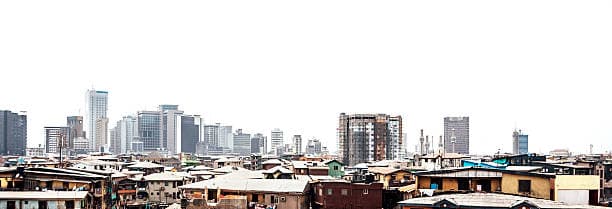
Choosing between Ajah and Sangotedo for your next home is a classic Lagos dilemma that has taken on new dimensions in 2026. Both neighbourhoods offer a strategically affordable alternative to the sky-high rents of Lekki Phase 1 and Victoria Island, serving as the primary residential hubs for the city’s upwardly mobile workforce. However, as the Lekki-Epe Expressway continues to expand, the gap between these two hubs is widening—one remains a high-octane commercial nerve centre, while the other is rapidly maturing into a more structured, suburban residential retreat.
The decision ultimately hinges on your daily tolerance levels regarding commute times versus living standards. Ajah sits at the gateway to the peninsula, offering a more central location that keeps you closer to the Island’s business districts, albeit in a more chaotic urban environment. Conversely, Sangotedo has moved away from its reputation as a distant outpost and is now a self-sustaining ecosystem. With the arrival of world-class educational institutions and expansive retail hubs, it offers a plug-and-play lifestyle that prioritises family comfort and organised estate living over the raw convenience of being closer to the city centre.
The Short Answer
If your priority is convenience and proximity to the commercial heart of the Island, Ajah remains the stronger contender. It is the gateway to the rest of the Lekki peninsula, offering more established markets, transport links, and a faster (though still hectic) commute to Lekki Phase 1 and Victoria Island. However, this convenience comes at the cost of dense traffic and a higher risk of seasonal flooding in its inner streets.
On the other hand, Sangotedo is the choice for those seeking a balanced, family-oriented lifestyle. It is generally more organised, with modern gated estates that offer better security and drainage. While it adds an extra 15–30 minutes to your commute, it compensates with a cleaner feel and proximity to major retail hubs like Novare Mall.
Ultimately, rent in Ajah is slightly higher for older properties due to location, while Sangotedo offers better value for money with newer, more modern apartments.
Rent Comparison
In 2026, rental prices have seen a steady climb. Ajah maintains a premium due to its location, while the quality of its newer estates drives Sangotedo’s prices.
Average Rent in Ajah (2026)
| Apartment Type | Annual Rent (Average) |
| Self-Contain / Studio | ₦800,000 – ₦1,300,000 |
| 1 Bedroom (Mini Flat) | ₦1,200,000 – ₦1,800,000 |
| 2 Bedroom Flat | ₦2,500,000 – ₦3,500,000 |
| 3 Bedroom Flat | ₦3,500,000 – ₦5,000,000 |
Want to live in Ajah? Check our guide to renting an apartment in Ajah
Average Rent in Sangotedo (2026)
| Apartment Type | Annual Rent (Average) |
| Self-Contain / Studio | ₦600,000 – ₦1,100,000 |
| 1 Bedroom (Mini Flat) | ₦1,000,000 – ₦1,600,000 |
| 2 Bedroom Flat | ₦2,000,000 – ₦3,000,000 |
| 3 Bedroom Flat | ₦3,000,000 – ₦4,500,000 |
Want to live in Sangotedo?
In 2026, the rental market along the Lekki-Epe corridor reflects a clear trade-off between location and modern infrastructure. Ajah continues to command a pricing premium primarily due to its closeness to the commercial hubs of Victoria Island and Lekki Phase 1. It serves as a major transit artery; even older properties in Ajah maintain high demand, pushing the cost of a standard three-bedroom apartment significantly higher than its counterparts further down the road.
Renters here are essentially paying a commute tax, sacrificing a bit of apartment size or modernity for the sake of shaving 30 to 45 minutes off their daily drive. Sangotedo, by contrast, has become the headquarters for value for money in the Lagos rental market. While the nominal prices may seem only slightly lower than Ajah on paper, the actual value per square foot is much higher.
In Sangotedo, your budget typically secures a home in a newer, planned estate with better finishing, more consistent power solutions, and integrated drainage systems. For the price of a cramped, older two-bedroom flat in a busy part of Ajah, a renter in Sangotedo can often afford a modern, spacious apartment within a gated community, complete with dedicated security and recreational spaces.
The verdict for 2026 is straightforward: If you are a young professional prioritising a shorter commute and don’t mind a denser urban environment, the higher rent in Ajah is a logical investment. However, for families or remote workers who prioritise living standards, security, and a new-build feel, Sangotedo offers a far superior quality of life for every Naira spent.
The price gap is narrowing as Sangotedo becomes more popular, but for now, it remains the better choice for those looking to maximise their lifestyle within a fixed budget.
Commute Comparison

If you work in Ajah or Sangotedo, Living in Sangotedo while working in Ajah is a breeze (reverse traffic). If you work in Ajah, living there saves you the daily struggle of the Jubilee Bridge bottleneck.
If you work in Lekki Phase 1, Ajah is significantly better. You avoid the Abraham Adesanya and Sangotedo traffic stretches, which can add 40 minutes to your trip during peak hours.
If you work in Victoria Island, this is a long haul for both. However, Ajah residents have better access to the Badore Ferry Terminal, which can bypass the road traffic entirely to get to Falomo in about 1 hour.
If you work on the Mainland, this is a gruelling commute from either location. Sangotedo residents should prepare for a 2 to 2.5-hour journey one way during rush hour.
Verdict on Commute: Ajah wins. Proximity to the city centre and better water transport options make it more practical for the daily commuter.
Safety and Security
Security in the Lekki corridor has evolved significantly by 2026, moving toward a fortress model where safety is largely determined by your immediate estate rather than the general neighbourhood. While the Lagos State government has increased police presence along the expressway, the sheer population density in these areas means that personal and communal security remains a top priority for residents.
In Ajah, security is a game of two halves. The main commercial hubs, around the Jubilee Bridge and the various motor parks, can be chaotic and prone to petty crimes or area boy activity during late hours. However, established gated communities like Royal Garden Estate, Thomas Estate, and Abraham Adesanya offer robust security architectures, including armed patrols, 24/7 CCTV surveillance, and strict visitor code-in systems that provide a very high level of safety.
Sangotedo generally enjoys a reputation for being quieter and less prone to the street-level unrest found in Ajah. Because Sangotedo is dominated by newer, planned residential developments like Diamond Estate Phase 2, Sangotedo; Emperor Estate, Abijo; and Fountain Springville, the security is often more integrated and modern. These estates are further away from the major commercial transit points, resulting in lower foot traffic from non-residents and a generally calmer, more secure atmosphere.
The Verdict: Sangotedo wins for general safety. While Ajah’s top-tier estates are just as secure, Sangotedo as a whole feels more like a controlled residential sanctuary, whereas Ajah requires you to navigate high-activity commercial zones to get to your haven.
Healthcare
The healthcare landscape in 2026 has seen a surge in private investment along the Lekki-Epe axis, moving away from small clinics toward specialised medical centres. Access to quality care is no longer a major hurdle, though emergency response times can still be affected by the notorious corridor traffic.
Ajah is the medical nerve centre for the mid-peninsula. It houses some of the most established hospitals in the region, such as Budo Specialist Hospital, Doren Specialist Hospital, and the newer Lennox Hospital. It also benefits from the Eti-Osa Mother and Child Centre, a large government facility that provides affordable, specialised care.
For those living in Ajah, a major hospital is rarely more than 10 minutes away, regardless of where you are.
Sangotedo has rapidly caught up, with healthcare facilities trailing the growth of its luxury estates. You will find modern centres like Avicenna Memorial Hospital and specialised diagnostic labs located near Novare Mall. While it has fewer big-name legacy hospitals than Ajah, the facilities in Sangotedo are often newer, with more modern equipment and a focus on premium, boutique patient experiences catering to the middle-class residents of the area.
The Verdict: Ajah wins for healthcare. The sheer density of hospitals and the presence of both high-end private and specialised public facilities give Ajah residents more options and better proximity in the event of an emergency.
Character and Feel

Without a doubt, where you live can make the difference between feeling at home and feeling out of place. As of 2026, the character of these two neighbourhoods has diverged into the urban hub and the suburban retreat.
Ajah has an organic, high-energy, and somewhat gritty character. It is a melting pot where corporate professionals rub shoulders with local traders. It feels lived-in and bustling, with street markets, active nightlife, and a constant sense of movement. If you enjoy the hustle and bustle of Lagos and want everything, from local delicacies to tech repairs, at your doorstep, Ajah’s busy streets will feel familiar and convenient.
Sangotedo feels noticeably more deliberate and aspirational. It is characterised by wide estate gates, manicured lawns within gated communities, and the presence of organised retail hubs. The pace of life here is slower. It is where people go to escape the noise of the city. It has a more suburban, family-centric feel that appeals to those who want a clear boundary between their work life and their home environment.
Ajah is quite energetic, commercial, and gritty, while Sangotedo is quiet, developing, and residential. It feels like The Suburb.
The Verdict: It’s a tie. Your preference depends entirely on your personality. Choose Ajah for a vibrant, convenient city feel; choose Sangotedo for a quiet, prestigious suburban lifestyle.
Schools
Education is perhaps the biggest draw for families moving further down the Lekki-Epe expressway. In 2026, this axis will become the Education Corridor of Lagos, hosting some of the most prestigious international schools in West Africa.
Ajah offers a mix of long-standing private institutions and high-end options. Notable schools in and around Ajah include Caleb British International School, Almond College, and Regal Star School. Because Ajah is more established, there is a wider range of middle-market schools that offer quality education at a more affordable price point than the elite schools further down the road.
Sangotedo is the undisputed heavy hitter for premium education. It is home to, or very close to, Greensprings School, Corona Secondary School, and The White Dove Schools. These institutions are massive, multi-acre campuses that offer world-class facilities. Living in Sangotedo means your children can attend these top-tier schools without spending hours in a school bus, which is a major quality-of-life win for families.
The Verdict: Sangotedo wins for schools. If you are looking for top-tier, international-standard education for your children with a manageable school run, Sangotedo’s proximity to Lagos’ elite schools is unbeatable.
Lifestyle and Social Infrastructure
Lifestyle in 2026 is no longer just about where you drink, but where you shop, exercise, and relax. Infrastructure developments have turned this part of Lagos into a self-sustaining ecosystem.
Ajah’s lifestyle is built around convenience and localised entertainment. It has a high density of gyms, local bars, and chill spots tucked into estates. However, it lacks a singular, large-scale social anchor. The social life in Ajah is fragmented; you might go to one place for suya, another for a lounge, and a different area for groceries. It is functional and high-energy, but can feel cluttered.
Sangotedo’s lifestyle is anchored by Novare Mall, one of the largest shopping malls in Lagos. This single infrastructure point changes everything for residents, providing a one-stop shop for cinema, international retail brands, and family dining. Beyond the mall, Sangotedo’s lifestyle is very estate-centric. Residents spend their weekends at estate clubhouses, swimming pools, and private parks. It offers a more Westernised lifestyle that is organised and predictable.
The Verdict: Sangotedo wins for lifestyle. The presence of Novare Mall and the superior recreational facilities within its modern estates provide a more cohesive and enjoyable social experience for families and upwardly mobile professionals.
Water Quality and Flooding Risk (2026)
In 2026, Ajah continues to struggle with its identity as a rapidly developed transit hub where the drainage infrastructure has not kept pace with the concrete footprint. The primary issue is the Tidal Lock phenomenon, because many parts of Ajah, especially the Addo Road and Badore corridors, are at a lower elevation relative to the Lagos Lagoon. Heavy rainfall coinciding with high tides results in water that has nowhere to go. This leads to ponding, where stagnant water remains on inner streets for days, breeding mosquitoes and compromising the foundations of older buildings. While the Jubilee Bridge area remains dry, the inner streets often require SUVs or higher-clearance vehicles during the peak months of June and July, making commute predictability a major gamble for residents without amphibious-ready transport.
Sangotedo’s relatively better performance in the 2026 rainy season is largely a result of the Late-Mover Advantage. Because the bulk of Sangotedo’s residential expansion occurred after the lessons of the 2010s floods, developers were mandated to implement more robust, integrated drainage systems. Many of the gated communities along Monastery Road and the Cardinal Anthony Olubunmi Okogie axis utilise deep, covered concrete channels that direct runoff into massive natural catchment areas and retention ponds. While flash flooding (water that disappears within an hour of the rain stopping) still occurs on the main expressway, the internal roads of most Sangotedo estates remain navigable, protecting both the residents’ vehicles and their peace of mind during a typical Lagos downpour.
The Verdict on Water: The clear winner for water management in 2026 is Sangotedo, primarily because its infrastructure was built for the current climate reality. In Ajah, the drainage systems are often fragmented. An estate might have great gutters that lead out into a clogged municipal drain, creating a bottleneck. Sangotedo’s newer estates generally operate on a more holistic master plan layout, ensuring that water flows away from homes efficiently.
Furthermore, because Sangotedo is slightly further up the corridor, it suffers less from the tidal backflow issues seen in the lower-lying coastal pockets of Ajah, making it the statistically safer bet for those looking to avoid a waterlogged lifestyle. In either location, always check the borehole and water treatment system. While Sangotedo wins on drainage, the soil in both areas is prone to high iron content or salinity; ensure the property has a functional industrial-grade water treatment plant before signing.
The Decision Framework
To choose between Ajah and Sangotedo, your primary filter should be the frequency and destination of your daily commute. If your lifestyle demands physical presence in Victoria Island, Ikoyi, or Lekki Phase 1 more than four times a week, Ajah is the logical choice to preserve your sanity and time. In this framework, you are choosing Location over Luxury, accepting a denser, more high-energy urban environment in exchange for proximity to the city’s commercial core and better access to water transport via the Badore Ferry Terminal.
Conversely, if your work is flexible, remote, or based further down the Lekki-Epe axis, your decision should pivot toward Lifestyle and Infrastructure Quality. Sangotedo is the superior choice for those who prioritise a Suburban Retreat model, offering modern gated estates, proximity to premium retail at Novare Mall, and a more conducive environment for raising a family. Here is where you trade a longer commute for a higher standard of living, better security, and more modern housing units that offer far better value for every Naira spent on rent.
Not certain if Sangotedo is your pick? Read our area guide first.
Ready to Search?
Every listing on Expert Listing is checked and verified before going live. Flood risk is mapped at the individual listing level. Listings are removed the moment they are rented or sold.
Frequently Asked Questions
Is Sangotedo too far for someone working in Victoria Island (VI)?
Living in Sangotedo while working in VI depends entirely on your willingness to navigate the specific traffic bottlenecks that define the Lekki-Epe Expressway in 2026. While road infrastructure has seen improvements, the commute typically requires a 90–120-minute journey during peak hours. To ensure an 8:00 AM arrival in VI, the golden rule for Sangotedo residents is to be on the road by 5:30 AM to bypass the heavy congestion that builds up at the Ajah Jubilee Bridge and the Lekki Conservation Centre axis.
Which area is cheaper for a family of four?
When comparing value for money, Sangotedo consistently offers a higher square footage per Naira ratio, making it the superior choice for growing families who require space and modern amenities.
In Ajah, the high demand for proximity to central business hubs has resulted in a market dominated by compact apartments where a 3-bedroom unit might feel cramped or lack sufficient play areas for children. Conversely, the same budget in Sangotedo, particularly in developing pockets behind Novare Mall or along Monastery Road, can secure a spacious, newly built 3-bedroom flat within a gated estate featuring better ventilation and dedicated parking.
Does Ajah still flood in 2026?
Flooding remains a localised but persistent challenge in Ajah, particularly within the lower-lying inner roads and the historically problematic Addo Road axis. While the main expressway has been significantly elevated and drainage systems in major estates have been upgraded, flash flooding during the peak of the rainy season still affects accessibility and property integrity in certain pockets, such as Oke-Ira. For this reason, 2026 renters are advised to conduct rainy-day inspections to observe how quickly water recedes and to look for telltale watermarks on fences or perimeter walls before signing a lease.
Where is better for nightlife?
Ajah is the undisputed social hub of the corridor, offering a high-energy environment characterised by 24-hour supermarkets, rooftop lounges, and a dense concentration of bars that cater to a fast-paced lifestyle. The area functions as a secondary urban centre where spontaneity is easy; whether you are looking for late-night street food or a gym that operates around the clock, Ajah’s streets remain vibrant well into the early morning hours. In contrast, Sangotedo is a predominantly residential bedroom community that prioritises quietude; most commercial activity peaks at the Novare Mall and tapers off significantly by 10 PM. While this makes Sangotedo ideal for those who want a peaceful escape from the city’s noise, anyone seeking a consistent social scene will find themselves driving 20 minutes back toward Ajah for entertainment.
Are there good hospitals in Sangotedo?
The healthcare landscape in Sangotedo has transformed into a self-sufficient ecosystem in 2026, largely due to a massive surge in private medical investment driven by the area’s growing middle-class population. Residents no longer need to travel to Lekki Phase 1 or VI for specialised care, as Sangotedo now hosts several multi-specialist hospitals, advanced diagnostic centres, and 24-hour emergency clinics along its main corridor. These facilities often provide a more personalised and less congested experience compared to the overstretched public and private hospitals in the more densely populated Ajah.