Ikeja vs Ogba: Which Is Better for Renting in Lagos?
Expert Listing
·
·
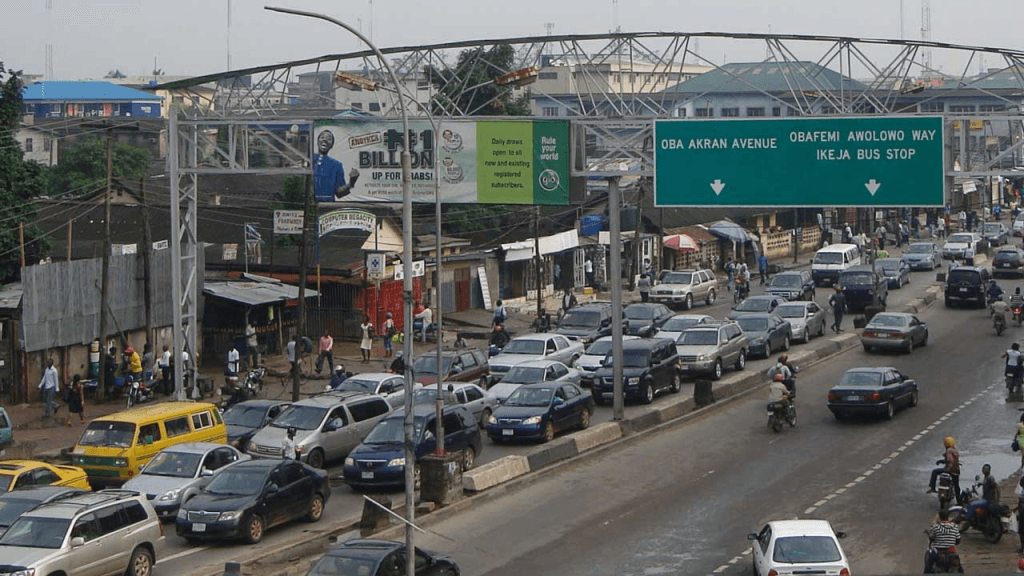
Choosing between Ikeja and Ogba is perhaps the most frequent dilemma for middle-to-high-income earners looking to settle on the Lagos Mainland. These two neighbourhoods are geographically adjacent, often sharing the same transit corridors and even some utility grids.
Because they are so close, many renters assume that the lifestyle offered by a 3-bedroom flat in Ogba will be virtually identical to one in Ikeja, just at a slightly lower price point. This is the first mistake most people make when framing the comparison.
The comparison is often wrongly framed as a simple choice between “prestige and more prestige.” In reality, Ikeja is not a monolith; it is a sprawling capital city containing everything from the quiet, high-end residential zones of GRA to the chaotic commercial hubs of Computer Village. Ogba, meanwhile, is frequently dismissed as merely a “budget alternative” to Ikeja, which ignores its highly developed self-sufficiency and its unique status as a gateway to both the Lagos outskirts and the central business districts.
The real question you should be asking isn’t which area is “better,” but rather which area aligns with your specific intersection of work location, disposable income, and daily movement patterns. A lower rent in Ogba can quickly be negated by the cost of fuel and time spent in the bottleneck traffic at Excellence Hotel or College Road if your life is centred deep within Ikeja or the Island.
Conversely, paying a premium to live in Ikeja might be an unnecessary drain on your finances if your social and professional circles are moving toward the burgeoning developments in the Ogba and Berger axes.
This guide provides a comprehensive, data-driven breakdown of the rental markets in both Ikeja and Ogba as of 2026. We will analyse verified rental ranges, commute times under realistic Lagos traffic conditions, flooding risks, and the availability of essential social infrastructure.
By the end of this comparison, you will have a clear framework to decide which of these Lagos Mainland staples is the right home for you.

The Short Answer
If you work in Ikeja, particularly within the Secretariat, Allen Avenue, or Ikeja GRA, living in Ikeja is the superior choice. The reduction in daily commute stress and the proximity to the city’s primary administrative and commercial nodes justify the higher rental costs, as you bypass the notorious morning bottlenecks at the Ogba-Ikeja borders.
If you work in Ogba or the nearby industrial zones of Agidingbi and Acme Road, Ogba is the undisputed winner. You will enjoy a significantly lower cost of living while being minutes away from your workplace, allowing for a better work-life balance and more spacious accommodation for the same budget required for a smaller unit in Ikeja.
If you work in the Mainland CBD or often commute to the Island, Ikeja offers a slight advantage due to its direct access to the Third Mainland Bridge via Anthony or the Ikorodu Road corridor. While Ogba residents can access these routes, they must first navigate the internal traffic of Ikeja or Berger, adding an average of 30 to 45 minutes to their daily journey during peak hours.
If you are choosing between the two primarily on lifestyle or address grounds, this guide will help you understand that Ikeja offers a more “cosmopolitan” and varied social experience with high-end retail, while Ogba provides a more grounded, community-focused residential feel with excellent local markets and essential services at a more accessible price point.

Rent Comparison
The rent gap between Ikeja and Ogba has widened in 2026 as Ikeja continues to consolidate its status as the commercial nerve centre of the Mainland.
While Ogba remains one of the most popular residential choices for young professionals, Ikeja’s limited residential land and high demand for mixed-use spaces have pushed prices to new heights.
Ogba rent (2026):
| Property Type | Annual Rent Range |
| 1-Bedroom Flat (Mini-flat) | ₦800,000 – ₦1,500,000 |
| 2-Bedroom Flat | ₦1,800,000 – ₦3,000,000 |
| 3-Bedroom Flat | ₦3,500,000 – ₦5,500,000 |
| 4-Bedroom Duplex/Penthouse | ₦6,000,000 – ₦10,000,000 |
Want to live in Ogba? Check our guide to renting an apartment in Ogba
Ikeja rent (2026):
| Property Type | Annual Rent Range |
| 1-Bedroom Flat (Mini-flat) | ₦1,500,000 – ₦3,500,000 |
| 2-Bedroom Flat | ₦3,500,000 – ₦6,500,000 |
| 3-Bedroom Flat | ₦6,000,000 – ₦12,000,000 |
| 4-Bedroom Duplex/Penthouse | ₦15,000,000 – ₦35,000,000 |
Want to live in Ikeja? Check our guide to renting an apartment in Ikeja
The percentage gap between comparable units in each area is substantial, often ranging from 80% to over 150%, depending on the specific estate. A modern 3-bedroom apartment in a serviced estate in Ogba might cost ₦5 million, whereas a similar unit in Ikeja GRA or Maryland could easily command ₦12 million. Ikeja commands this premium not just because of its reputation, but because of its concentration of infrastructure.
Residents in Ikeja benefit from more stable power grids (especially in the GRA and government zones), better-paved secondary roads, and immediate proximity to the Murtala Muhammed International Airport.
It is vital to consider the total cost of occupation beyond the headline rent. In Ikeja, service charges in gated communities are significantly higher, often adding a 30% to 50% uplift to the annual rent.
These fees cover 24/7 security, central sewage treatment, and heavy industrial-grade generator levies. In Ogba, while service charges are becoming more common in new developments, they are generally more modest, and many residents still rely on individual generators, which shifts the cost from a fixed service charge to variable fuel and maintenance expenses.
Commute Comparison
The commute between Ikeja and Ogba is relatively short in terms of distance, but the time taken can fluctuate wildly based on the time of day and the specific entry point used.
If you work in Ikeja:
Living in Ikeja means your commute could be as short as 5 to 15 minutes, even during peak periods, if you stay within the same district. However, if you live in Ogba and work in Ikeja, the commute is heavily impacted by the “Excellence Hotel” bottleneck and the traffic on Agidingbi Road. In light traffic, this journey takes 15 minutes. During peak hours (7:00 AM – 9:00 AM), expect to spend 45 to 70 minutes covering just a few kilometres.
If you work in Ogba:
For those living and working in Ogba, the commute is exceptionally manageable, often involving short drives or walks through residential streets. If you live in Ikeja and work in Ogba, you are performing a “reverse commute.” While you will still encounter some friction at the Ogba retail bus stop, you will generally move faster than the traffic flowing into Ikeja. In light traffic, the drive is 15 minutes, increasing to about 35 minutes during peak evening hours when Ogba residents return home.
If you work on the Mainland:
For commutes to Yaba, Surulere, or the Island, Ikeja has the upper hand. Residents of Ikeja can quickly access the Ikorodu Road or the Agege Motor Road. Ogba residents must first traverse through Ikeja or travel toward Berger to hit the Lagos-Ibadan Expressway. This extra leg adds significant variability to the morning routine, making Ikeja the more reliable base for professionals who need to be at the CBD by 8:00 AM.
Verdict on commute: Ikeja offers superior connectivity to the rest of Lagos, while Ogba is ideal only if your daily life is centred within the immediate Ikeja-Ogba-Magodo triangle.

Lifestyle and Social Infrastructure
The lifestyle difference between Ikeja and Ogba is the difference between a regional entertainment hub and a self-sustained residential suburb. Ikeja is where the Mainland comes to play, while Ogba is where the Mainland comes to live.
Ogba offers a very functional, “everyday” lifestyle. It is home to the famous Ogba Sunday Market and the Area G social scene. You will find popular local dining spots like Yellow Chilli (nearby in Ikeja but frequently visited by Ogba residents) and various bukka-style eateries that offer high-quality local cuisine. Retail in Ogba is dominated by retail chains like Shoprite at the nearby Ikeja City Mall, though Ogba itself has smaller supermarkets like Retail Supermarkets and numerous pharmacies and local boutiques. The social scene is more grounded, revolving around local bars and sports centres.
Ikeja, by contrast, is the heart of Mainland luxury and entertainment. It hosts the Ikeja City Mall (ICM), the largest retail hub on the Mainland, featuring international brands and a Silverbird Cinema. The dining scene is incredibly diverse, from the high-end Asian cuisine at Zen Garden to the continental offerings at Casper & Gambini’s. For nightlife, Ikeja GRA and Allen Avenue host some of the most exclusive clubs and lounges in Lagos, such as Cubana and various hotel-based bars like the Sheraton Lagos Hotel’s pool terrace. Ikeja also offers better fitness facilities, with premium gyms like i-Fitness having multiple flagship locations in the area.
Verdict on lifestyle: Ikeja is the clear leader for those seeking a high-energy, cosmopolitan lifestyle with diverse dining and retail options, whereas Ogba offers a practical, budget-friendly social environment.

Flooding Risk
Flooding is a critical consideration for any Lagos renter, and both Ikeja and Ogba have varying degrees of risk depending on the specific street elevation and drainage maintenance.
Ogba is generally situated on higher ground than many parts of Lagos, but it is not immune to flash flooding. Areas around the Ogba Bus Stop and certain parts of the Oke-Ira axis can experience significant waterlogging during the peak Lagos rain seasons of April–July and September–October. This is often due to blocked drainage channels rather than a low-lying topography. Streets like College Road have seen improvements, but the secondary streets in the deeper residential pockets of Ogba can become difficult to navigate during heavy downpours.
Ikeja’s flooding risk is highly localised. Ikeja GRA is exceptionally well-drained and rarely experiences standing water even after torrential rains. However, areas closer to the Ikeja Along corridor and certain sections of Allen Avenue and Opebi can see significant flash flooding that disrupts traffic. The drainage systems in Ikeja are generally older and more robust, but the sheer volume of paved surfaces means runoff is high. Renters should be particularly cautious of properties located near the various “canals” or primary drainage channels that cut through the city.
It is essential to verify flood risk at the individual listing level by visiting during or immediately after a rainstorm. Expert Listing maps flood-risk signals at the listing level to help users identify properties that have historically shown resilience to the Lagos rainy season.
Verdict on flooding: Ikeja GRA offers the best drainage in the region, but both areas have “trouble spots” that require street-level verification before signing a lease.
Safety and Security
Security in both areas is influenced by the presence of government institutions and private estate management.
Ogba is a densely populated area with a mix of open neighbourhoods and gated estates. Security is largely managed through “Landlord Associations” and private security guards at estate gates. The presence of Area G Police Command in Ogba provides a level of institutional security, and the area is generally considered safe for middle-class families. However, like any busy commercial-residential mix, petty crime can occur near the major bus stops and market areas late at night.
Ikeja enjoys a higher security profile due to its status as the seat of the Lagos State Government. The presence of the Secretariat in Alausa and the proximity to the Air Force Base and various police headquarters mean there is a constant security patrol presence. Ikeja GRA is one of the most secure residential zones on the Mainland, with restricted access points, military-grade security for certain residents, and highly organised private security firms. This makes Ikeja the preferred choice for high-profile individuals and expatriates.
The security gap matters most for those who require 24-hour peace of mind and the ability to move freely at night. While Ogba is safe, Ikeja offers a more “hardened” security environment due to the sheer density of government and military installations in and around the district.
Verdict on security: Ikeja provides a more robust, institutional security environment, particularly within the GRA and Alausa perimeters.
Schools
For families, the proximity to quality education is often the deciding factor between Ikeja and Ogba. Both areas are well-served, but the price points and curricula vary.
Ogba is home to several reputable private schools that cater to the middle class. Notable options include Mind Builders School, which has a strong presence in the area and offers a blend of Nigerian and British curricula. Another well-established institution is Grace Schools, located in nearby Gbagada/Maryland, but very accessible for Ogba residents. These schools provide a solid educational foundation without the extreme tuition fees found in the heart of Ikeja.
Ikeja boasts some of the most prestigious schools on the Mainland. Grange School in Ikeja GRA is a premier British International School that is a top choice for affluent families. Also in the vicinity is Vivian Fowler Memorial College for Girls, known for its high academic standards and holistic development. The concentration of top-tier schools in Ikeja means that residents have access to some of the best educational facilities in West Africa, though the costs are significantly higher than those in Ogba.
Ikeja has a stronger school infrastructure overall, offering more international-standard options. For families prioritising an elite British or American-style education, Ikeja is the necessary choice.
Verdict on schools: Ikeja is the hub for elite international education, while Ogba offers high-quality, more affordable private schooling options for middle-income families.

Healthcare
Access to healthcare is excellent in both Ikeja and Ogba, as both areas are central to the Mainland’s medical corridor.
Ogba is served by several reliable private clinics and hospitals. County Hospital is a well-known facility in the area providing comprehensive maternal and general medical care. Additionally, Blue Cross Hospital has a long-standing reputation for serving the Ogba and Ikeja environs. For more specialised care, Ogba residents are a 15-minute drive from the various specialist centres in Ikeja.
Ikeja is the medical heart of the Mainland. It houses the Lagos State University Teaching Hospital (LASUTH), one of the best public tertiary health institutions in the country. For private care, Lagoon Hospitals has a major facility in Ikeja, offering world-class surgical and diagnostic services. Reddington Hospital also serves the Ikeja GRA area, providing premium healthcare that attracts patients from across the city.
The travel time between Ogba and the nearest major private hospital in Ikeja (like Lagoon or Reddington) is typically 15 to 25 minutes, making both areas safe choices for those concerned about medical emergencies. However, Ikeja residents have these facilities essentially on their doorstep.
Verdict on healthcare: Both areas have excellent access, but Ikeja is the primary hub for both high-end private specialists and major public teaching hospitals.

Character and Feel
The “vibe” of these two neighbourhoods is where the choice becomes most personal.
Ogba has a bustling, energetic, and unapologetically residential feel. During working hours, the main arteries are crowded with commuters and traders, but the inner estates remain relatively quiet. In the evenings, the area comes alive with local street food vendors and neighbourhood bars. It feels like a place where people know their neighbours; it is a community of upwardly mobile professionals and established families who appreciate a functional, no-frills environment.
Ikeja feels like the centre of the world. It is a high-octane mix of corporate skyscrapers, government bureaucracy, and luxury residential enclaves. During the day, it is the busiest place on the Mainland. In the evenings, the character shifts toward high-end leisure. Ikeja GRA feels serene, leafy, and exclusive – a stark contrast to the neon lights and loud music of Allen Avenue. It suits professionals who want to be “at the centre of things” and those who enjoy the prestige of a globally recognised address.
Ogba is for the professional who wants a quiet home life after a busy day, while Ikeja is for those who want their home life to be an extension of their social and professional ambitions.
Verdict on character: Ogba is community-focused and residential; Ikeja is prestigious, commercial, and high-energy – the choice depends entirely on your personal pace.
The Decision Framework
Use this to make the call:
Choose Ogba if:
- Your workplace is in Ogba, Agidingbi, or the Berger/Magodo axis.
- You want a 3-bedroom apartment but have a total annual budget under ₦6 million.
- You prefer a more grounded, neighbourhood-style environment over a commercial hub.
- You want to save on “prestige premiums” to allocate funds toward other investments.
- You rely on local markets for the majority of your household shopping.
Choose Ikeja if:
- You work in Alausa, Ikeja GRA, or frequently commute to the Island.
- Your budget allows for ₦10 million+ for a high-quality residential experience.
- Proximity to the International Airport is a frequent requirement for your lifestyle.
- You prioritise being within walking distance of high-end malls, cinemas, and fine dining.
- You require the highest levels of institutional security and power stability available on the Mainland.
If budget is the deciding factor, Ogba is the clear winner. You can often rent a full 4-bedroom duplex in a decent Ogba estate for the same price as a modest 2-bedroom flat in a prime Ikeja location. If you can handle the additional 30 minutes of traffic, Ogba provides significantly more “house” for your Naira.
Ready to Search in Both Areas?
All listings on Expert Listing are verified by our team before going live to ensure the property exists and the landlord is legitimate. We map flood-risk signals at the individual listing level so you can rent with confidence even during the rainy season. Furthermore, our platform is updated in real-time, and listings are removed immediately once they are rented or sold, saving you from the frustration of ghost listings.
Frequently Asked Questions
Is Ogba a part of Ikeja?
Technically, Ogba falls under the Ikeja Federal Constituency and is often associated with the Ikeja zone, but it is managed under the Ojodu Local Council Development Area (LCDA). While they are neighbours, they are distinct administrative and postal zones. In the real estate market, they are treated as separate entities due to the significant difference in property valuations and infrastructure.
Which area is safer, Ikeja or Ogba?
Both areas are generally safe for residents, but Ikeja has a higher density of security installations, including the Police Command and military-related zones in the GRA. Ikeja GRA is considered one of the safest places to live on the Mainland. Ogba is safe within its gated estates, but like any Lagos suburb, it requires standard urban vigilance in public spaces.
How much is a 3-bedroom flat in Ogba vs Ikeja in 2026?
In 2026, a 3-bedroom flat in Ogba typically ranges from ₦3.5 million to ₦5.5 million. In Ikeja, the same size of apartment starts at ₦6 million in areas like Alausa or Opebi and can go as high as ₦12 million in premium serviced estates in Ikeja GRA. The price is driven by the level of “servicing” and the specific street’s reputation.
Does it flood in Ogba?
Ogba is on relatively high ground, but flash flooding occurs at major junctions like the Ogba Bus Stop and parts of College Road during heavy rain. Most well-planned estates in Ogba remain dry, but it is crucial to check the drainage of the specific street you are considering. Expert Listing provides flood-risk data for many Ogba listings to assist in this.
Is there a lot of traffic between Ogba and Ikeja?
Yes, the commute between the two can be challenging during peak hours. The stretch between the Excellence Hotel and the Agidingbi/Acme Road intersection is a major bottleneck. A trip that takes 10 minutes at noon can take over an hour at 8:00 AM. If you live in Ogba and work in Ikeja, you must factor this daily delay into your schedule.
Which area has better electricity, Ikeja or Ogba?
Ikeja, particularly the GRA and the Alausa Secretariat axis, generally enjoys more stable power because it is on a dedicated or “priority” grid serving government and industrial interests. Ogba’s power stability is decent compared to other Lagos suburbs, but it is more prone to the standard fluctuations of the national grid, making a backup power source essential.