Lekki Phase 1 vs Gbagada: Which Is Better for Renting in Lagos?
Expert Listing
·
·
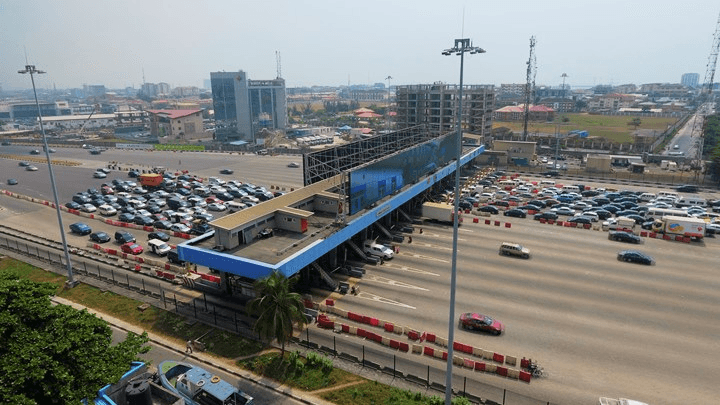
Choosing between Lekki Phase 1 and Gbagada is a rite of passage for many upwardly mobile professionals in Lagos. It is the classic “Island vs. Mainland” debate, but with a nuanced twist.
While many areas on the Mainland are purely residential or commercial, Gbagada has evolved into a “vantage point” that mirrors the lifestyle of the Island while maintaining Mainland prices. Lekki Phase 1, on the other hand, remains the undisputed heavyweight of Lagos social prestige and corporate proximity.
Most people frame this comparison wrongly by focusing solely on prestige. They ask, “Which address looks better on a business card?” in a city where the “better” address might cost you three hours of your life every day in traffic. The prestige of Lekki Phase 1 is undeniable, but the efficiency of Gbagada is often the smarter financial and logistical move for a large segment of the workforce.
The real question you should be asking isn’t which area is more famous, but rather: where does your life actually happen? If your office is in Victoria Island but your social circle and family are in Ikeja, Gbagada is your bridge. If you want to walk to the hippest bars in West Africa and can afford the premium, Lekki Phase 1 is your playground.
This guide will break down the 2026 rental reality of both neighbourhoods, covering verified rent figures, commute stressors, flood risks, and the social infrastructure that defines daily life in these two Lagos giants.

Browse verified apartments in Lekki Phase 1 on Expert Listing
The Short Answer
If you work in or on Lekki Phase 1, Victoria Island, or Ikoyi, you should prioritise renting in Lekki Phase 1. The convenience of being “already on the Island” saves you from the unpredictable bottleneck of the Ozumba Mbadiwe commute and the toll gate queues, allowing for a much higher quality of life.
If you work in or on Gbagada itself or the surrounding Mainland hubs like Maryland or Anthony, Gbagada is the superior choice. You will enjoy a significantly lower rent for more spacious apartments while having immediate access to the Third Mainland Bridge for occasional Island trips.
If you work on the Mainland, specifically in Ikeja or the Murtala Muhammed International Airport axis, Gbagada is the undisputed winner. Living in Lekki while working in Ikeja involves a “reverse commute” that, while lighter than the morning Island rush, is still plagued by the heavy traffic at the Oshodi-Oworonshoki Expressway.
If you are choosing between the two primarily on lifestyle or address grounds, this guide will help you understand that while Lekki Phase 1 offers “high-octane” luxury and nightlife, Gbagada offers a “quiet-efficiency” that appeals to families and tech professionals who value peace and easy city-wide access.

Rent Comparison
The rent gap between Lekki Phase 1 and Gbagada in 2026 is driven by land value and the “Island Premium.” While Gbagada has seen a surge in “New Build” luxury apartments, particularly in Gbagada Phase 2 and Millennium Estate, Lekki Phase 1 prices are bolstered by high demand from short-let investors and expatriates.
Gbagada rent (2026):
| Property Type | Annual Rent Range |
| 1-Bedroom Flat | ₦1,800,000 – ₦2,800,000 |
| 2-Bedroom Flat | ₦3,500,000 – ₦5,000,000 |
| 3-Bedroom Flat | ₦5,500,000 – ₦8,000,000 |
| 4-Bedroom Duplex/Penthouse | ₦10,000,000 – ₦18,000,000 |
Want to live in Gbagada? Check our guide to renting an apartment in Gbagada
Lekki Phase 1 rent (2026):
| Property Type | Annual Rent Range |
| 1-Bedroom Flat | ₦4,500,000 – ₦7,500,000 |
| 2-Bedroom Flat | ₦7,000,000 – ₦12,000,000 |
| 3-Bedroom Flat | ₦12,000,000 – ₦18,000,000 |
| 4-Bedroom Duplex/Penthouse | ₦20,000,000 – ₦45,000,000 |
Want to live in Lekki Phase 1? Check our guide to renting an apartment in Lekki Phase 1
The percentage gap between comparable units in each area is often as high as 150%. A high-end 3-bedroom flat in Gbagada Phase 2 might go for ₦7 million, while the same square footage in Lekki Phase 1, even in an older building, will struggle to stay below ₦15 million. Lekki commands this premium due to its status as a commercial-residential hybrid where many residents can live, work, and party within a 2-kilometre radius.
It is vital to note that the total cost of living in Lekki Phase 1 often involves a 30% to 50% uplift over the headline rent. Service charges in Lekki estates frequently range from ₦1.5 million to ₦3.5 million annually, covering 24/7 power, security, and waste management. In Gbagada, while service charges are becoming more common in new estates, they are generally more modest, often ranging from ₦500,000 to ₦1.2 million.

Commute Comparison
If you work in/on Lekki Phase 1:
Commuting from within Lekki Phase 1 itself is generally a breeze, taking 5 to 15 minutes to reach most offices within the estate or on the Admiralty Way axis. However, commuting from Gbagada to Lekki Phase 1 during peak hours is a gruelling 60 to 90-minute ordeal. The bottleneck at the foot of the Third Mainland Bridge and the traffic buildup at the Lekki-Epe Expressway toll point can turn a 15-kilometre journey into a half-day event. In light traffic (mid-day), this journey drops to about 25 minutes.
If you work in/on Gbagada:
Living in Gbagada while working there offers the ultimate Lagos luxury: a 5-minute commute. If you are commuting from Lekki Phase 1 to Gbagada, you are moving against the primary flow of morning traffic. While the Lekki-Ikoyi Link Bridge and Third Mainland Bridge are usually clear in that direction during the 7:00 AM window, you will still face significant delays returning home in the evening as you hit the “Island-bound” rush. Evening peak hour from Gbagada to Lekki can take 70 minutes.
If you work on the Mainland (Ikeja/Airport):
Gbagada has marginally better access to the Mainland hubs. A resident in Gbagada can reach Ikeja in 15 to 25 minutes via Anthony and Ikorodu Road. From Lekki Phase 1, a commute to the Airport or Ikeja requires crossing the bridge and navigating the Oshodi-Oworonshoki Expressway, which is notorious for heavy truck traffic. In peak hours, getting from Lekki to Ikeja can take upwards of 2 hours, whereas from Gbagada, it rarely exceeds 45 minutes.

Verdict on commute: Gbagada is the “Central Station” of Lagos, offering better balanced access to both the Mainland and the Island than Lekki.
Lifestyle and Social Infrastructure
Lekki Phase 1 is the lifestyle capital of Nigeria, characterised by a high density of fine-dining restaurants, rooftop bars, and boutique fitness centres. Gbagada, while more laid-back, has rapidly developed its own social scene, catering to a younger, “tech-bro” and family-oriented demographic that prefers cosy lounges over high-decibel clubs.
In Gbagada, the social scene revolves around Diya Street and the Ifako-Gbagada axis. Notable venues include The Boardroom Bar & Lounge for evening relaxation and La Branco Restaurant for international dining. For shopping, residents rely on the Home Affairs Supermarket and PEP Store, which provide a comprehensive retail experience without the need to travel to a mega-mall.
Lekki Phase 1 is in a different league entirely. It houses the Lekki Leisure Beach, the Nike Art Gallery, and massive retail hubs like Prince Ebeano Supermarket. The dining scene is headlined by world-class spots like Shiro and Hard Rock Cafe (just a few minutes away in Landmark), while Admiralty Way is lined with endless options like Sailors Lounge and The Place.
The honest gap is that Lekki Phase 1 is a 24-hour neighbourhood where something is always happening. Gbagada is a neighbourhood that largely goes to sleep by 11:00 PM, making it better for those who value quiet nights over social proximity.
Verdict on lifestyle: Lekki Phase 1 wins on variety and prestige, while Gbagada wins on affordability and a “homely” feel.

Flooding Risk
Flooding remains a critical concern for any Lagos renter in 2026. Lekki Phase 1, due to its low-lying coastal topography, is notoriously prone to flash flooding during the peak rainy seasons of April–July and September-October. While the main Admiralty Way is well-paved, inner streets like Fola Osibo and Emma Abimbola Cole have historically experienced waterlogging that can last for hours after a heavy downpour.
Gbagada is generally more elevated than Lekki, but it is not immune to drainage issues. Areas close to the canal in Oworonshoki or sections of Soluyi can experience street-level flooding if the drainage channels are not cleared. However, the “heart” of Gbagada – Phase 1 and Phase 2 – is significantly drier than most parts of Lekki during the rainy season.
It is important to note that flood risk must be verified at the individual listing level, as elevation can vary street-by-street. Expert Listing maps flood-risk signals at the listing level to ensure renters are not caught off guard by seasonal deluges.
Verdict on flooding: Gbagada has a superior natural elevation, making it a safer bet for those worried about car damage or home flooding.
Safety and Security
Security in Gbagada is largely driven by its “estate-centric” layout. Many parts of Gbagada, such as Millennium Estate and Medina Estate, are gated communities with strict access control and 24-hour private security patrols. The presence of the Gbagada Police Station and its central location make it a relatively low-risk area for traditional residential crimes.
Lekki Phase 1 operates as a mix of open streets and mini-gated enclaves. While the area has a high concentration of private security guards and a visible police presence due to the wealth of its residents, its “open” nature makes it more susceptible to petty crime and traffic-related robberies at night. However, many of the newer apartment complexes in Lekki now offer “military-grade” security, including CCTV, biometric access, and armed response teams.
The security gap matters most for high-profile individuals and families with young children. Families often feel more secure in the enclosed, community-style estates of Gbagada, while professionals in Lekki often rely on the high-tech security features of their specific apartment buildings.
Verdict on security: Gbagada offers better “community-wide” security, whereas Lekki Phase 1 security is highly dependent on the specific building or street you choose.
Schools
For families, the availability of quality education is a deal-breaker. Both areas are served by excellent institutions, but Lekki Phase 1 has a higher concentration of international-standard schools with premium facilities.
In Gbagada, top-tier options include:
- Grace Schools – A long-standing institution known for academic excellence.
- Greenwood House School – Located nearby in Parkview/Ikoyi, but heavily patronised by Gbagada residents due to the easy bridge access.
- Emerald Schools – Serving the Gbagada and Maryand axis.
In Lekki Phase 1, the options are even more diverse:
- Lekki British School – Offering a British curriculum with world-class boarding and day facilities.
- Chrisland Schools – A reputable name with a strong presence in the Lekki axis.
- Italian International School – Catering to the expatriate and cosmopolitan community.
Lekki Phase 1 has stronger school infrastructure for parents seeking an international curriculum, while Gbagada offers excellent, more affordable private education options.
Verdict on schools: Lekki Phase 1 is the better choice for high-end international education, while Gbagada offers better value for money.

Healthcare
Access to healthcare in 2026 is robust in both neighbourhoods, with several world-class facilities operating within a 10-minute drive.
Gbagada residents are served by:
- Primrose Specialist Hospital – A modern facility offering comprehensive maternal and specialist care.
- Gbagada General Hospital – One of the most reputable public health facilities in the state for emergency services.
- R-Jolad Hospital – A multi-specialist hospital that has become a staple for Mainland families.
Lekki Phase 1 is home to some of the most advanced private hospitals in West Africa:
- Evercare Hospital Lekki – A multi-speciality tertiary care facility.
- Reddington Hospital – Known for its high-end cardiology and emergency units.
- Paelon Memorial Clinic – A highly-rated multi-specialist clinic.
The travel time to a major private hospital in Lekki Phase 1 is usually under 10 minutes. In Gbagada, you are also within 10–15 minutes of top-tier care, with the added benefit of being closer to the Lagos State University Teaching Hospital (LASUTH) in Ikeja for specialised public care.
Verdict on healthcare: Lekki Phase 1 wins for “luxury” private healthcare, but Gbagada offers more balanced access to both high-end private and reputable public options.

Character and Feel
Gbagada, during working hours, is a bustling hive of activity. It is a mixed-use neighbourhood where you will see people commuting to offices, children heading to school, and a vibrant local market scene. In the evenings and on weekends, it transforms into a peaceful residential retreat. It feels like a “neighbourhood” in the traditional sense – people know their neighbours, and there is a sense of community.
Lekki Phase 1 feels like a “city centre.” Even on weekends, Admiralty Way is packed with cars and people. It is commercial, loud, and aspirational. The character of Lekki is one of “hustle and play.” It is perfectly suited for professionals who want to be at the centre of the action and don’t mind the noise and constant movement that comes with it.
For a young professional, Lekki is exciting. For an established professional with a family, the organised quiet of a Gbagada estate might be more appealing.
Verdict on character: This is subjective; Lekki is “High-Energy/Cosmopolitan”, while Gbagada is “Stable/Residential.”
The Decision Framework
Use this to make the call:
Choose Gbagada if:
- You work on the Mainland (Ikeja, Maryland, Oshodi) or require frequent trips to the Airport.
- Your annual rent budget for a 3-bedroom flat is capped at ₦8 million.
- You prefer a quiet, gated community feel over a nightlife-heavy environment.
- You want to avoid the high daily costs of the Lekki-Ikoyi Link Bridge toll.
- You are looking for more “house for your money” in terms of square footage and compound space.
Choose Lekki Phase 1 if:
- You work in Victoria Island, Ikoyi, or Lekki and want to eliminate a 2-hour daily commute.
- You have a social lifestyle that revolves around fine dining, clubs, and networking events.
- Your budget allows for a ₦15 million+ annual commitment (rent + service charge).
- You require proximity to top-tier international schools like Lekki British School.
- The prestige of an “Island” address is a significant factor for your personal or business brand.
If budget is the deciding factor, Gbagada is the clear winner. You can rent a luxury 4-bedroom duplex in a gated Gbagada estate for the same price as a 1-bedroom apartment in a serviced building in Lekki Phase 1. If your income is in the mid-range for Lagos professionals, Gbagada allows you to live a “high-quality” life without the financial strain of Lekki’s service charges and lifestyle costs.

Ready to Search in Both Areas?
All listings on Expert Listing are verified by our team before going live, ensuring that the property you see online is the property you visit in person. We map flood-risk signals at the individual listing level so you can rent with confidence, and our platform ensures that listings are removed the moment they are rented or sold.
Frequently Asked Questions
Is Gbagada better than Lekki?
“Better” depends entirely on your lifestyle and work location. Gbagada is superior for those who work on the Mainland or need a central location that connects easily to both the Island and Ikeja. Lekki Phase 1 is better for those who want to be at the heart of Lagos’s social and corporate Island hub. In 2026, Gbagada offers significantly better value for money, with rents being 50–150% lower than in Lekki Phase 1.
How much is rent in Gbagada?
In 2026, a 1-bedroom flat in Gbagada ranges from ₦1.8 million to ₦2.8 million. For families, a 3-bedroom flat typically costs between ₦5.5 million and ₦8 million, while a 4-bedroom duplex in a premium estate like Millennium or Medina can range from ₦10 million to ₦18 million.
Does Lekki Phase 1 flood?
Yes, Lekki Phase 1 has a well-known reputation for flash flooding due to its low elevation. While major roads like Admiralty Way drain relatively quickly, inner streets such as Fola Osibo and Emma Abimbola Cole can experience significant water buildup during the peak rainy seasons of June and July. It is essential to check the specific drainage of a street before committing to a lease.
Is Gbagada a good place to live?
Gbagada is considered one of the best places to live on the Lagos Mainland. It offers a unique blend of residential peace and commercial convenience. With its proximity to the Third Mainland Bridge, it provides the best accessibility of any Lagos neighbourhood, making it a favourite for professionals who work on the Island but prefer Mainland living costs.
What is the commute from Gbagada to Victoria Island?
Under light traffic conditions, the drive from Gbagada to Victoria Island takes about 20 minutes via the Third Mainland Bridge. However, during morning peak hours (6:30 AM – 9:00 AM), this commute can extend to 60 or 90 minutes. Many residents use the “reverse commute” or leave extremely early to beat the bottleneck at the bridge’s end.
Which area is safer, Lekki or Gbagada?
Both areas are relatively safe by Lagos standards, but Gbagada’s gated estates offer a more controlled environment for families. Lekki Phase 1 has more visible security patrols and high-tech apartment security, but its open-access commercial streets carry a slightly higher risk of petty theft during late hours.