Dape, Abuja: Area Guide
Expert Listing
·
·
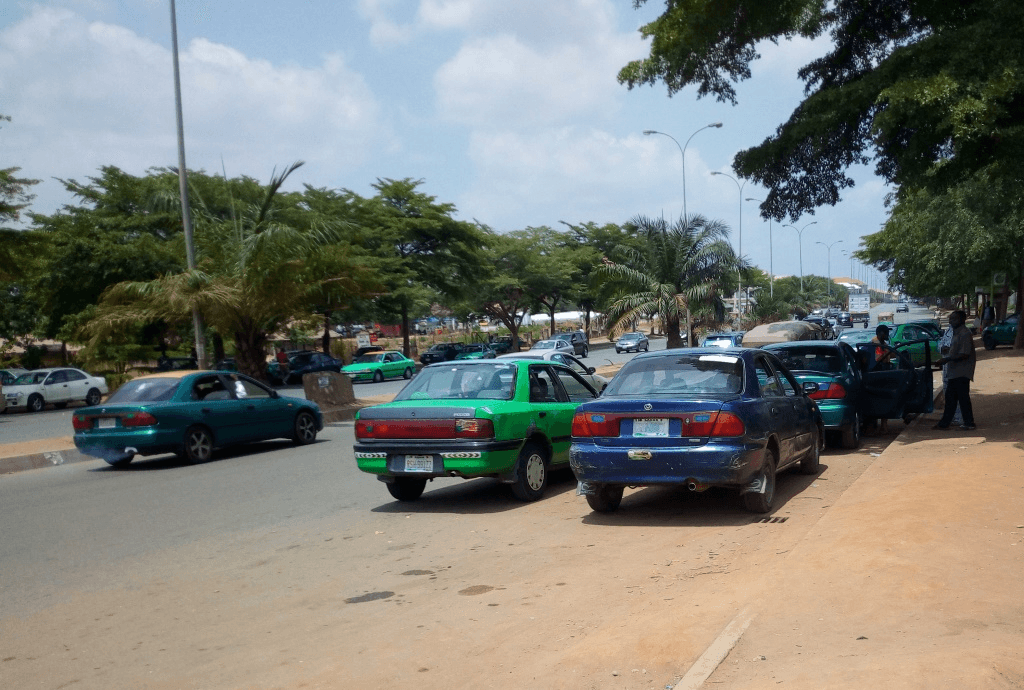
Selecting a neighbourhood in Abuja requires a careful balance between financial practicality and daily convenience. Dape emerges within the Federal Capital Territory housing market as a mid-tier residential alternative that bridges the gap between premium, high-priced districts and the distant outer suburbs.
Positioned on the western edge of Phase 3 of the capital’s master plan, this district has transformed from a sparsely populated construction frontier into a functional residential hub. It provides an entry point for professionals and young families who want proximity to the core commercial zones without paying the premium rents commanded by neighbouring Life Camp or Jabi.
The true value proposition of the area relies on its geographical layout and its growing stock of contemporary apartment complexes. Because much of the district has undergone rapid development over the last few years, renters frequently find newer, more modern interior finishes here than what is available for the same price in older, established municipal areas.

It is an environment built around blocks of flats, terraced houses, and walled residential estates, making it highly attractive to corporate employees, mid-level civil servants, and tech professionals who prioritise clean, functional spaces over expansive compound yards.
Choosing to live here means making clear trade-offs that reflect the realities of a developing urban space. While the internal road network within specific private estates is highly polished, several public connection streets and access paths remain unpaved, turning dusty in the dry season and muddy during periods of sustained rain. Commercial infrastructure is growing but remains secondary, requiring residents to travel to neighbouring districts for major retail and high-end dining.
This guide covers everything honestly, assessing the infrastructure, structural safety, accurate rental data, and daily living conditions to help you determine if this neighbourhood aligns with your lifestyle.
What Is Dape?
Dape sits within the Abuja Municipal Area Council, which is the primary administrative local government area handling the central core of the Federal Capital Territory. Geographically, the district is located directly west of Life Camp, bordered to the north by Gwarinpa and Kado, and bounded on its southern and western corridors by the evolving industrial and residential axes of Karmo and Idu.
Its position puts it in direct alignment with the expanding Phase 3 developments of the city, placing it roughly 15 kilometres away from the primary political and commercial centres of the capital.
The area is typically understood through its structural divisions rather than rigid, official subzones. Residents and local real estate analysts categorise the district by its proximity to major landmarks, separating the settled eastern boundary that directly connects with the Life Camp axis from the more rugged, expanding western frontier that moves toward the Idu industrial sector.
There is also a distinction between the low-lying flatlands near the natural drainage channels and the elevated, rocky terrains where newer, premium estate developments are continuously breaking ground.

Within the broader capital transportation matrix, the neighbourhood serves as a secondary commuter feeder zone. It relies heavily on major arterial routes like the Sayayi Road and the broader network flowing out of the Life Camp roundabout to move vehicular traffic into the heart of the city.
While it does not host major interstate transit terminals, its location provides direct structural pathways to the standard transit corridors, helping residents navigate their daily commutes across the western wing of the municipality.
The Neighbourhood Feel
The neighbourhood exhibits an eclectic, transitional character where established residential pockets exist directly alongside active construction sites. Walled estates with uniform architecture stand opposite open plots undergoing foundational drilling, creating an environment that feels less like a finished suburban retreat and more like an active urban expansion.
This blend gives the area a distinct sense of movement, where the quiet of a completed cul-de-sac can shift into the industrial hum of development just one street over.
The demographic profile of the typical resident consists primarily of upwardly mobile Nigerian professionals, mid-tier corporate managers, and families with young children. It attracts individuals who work in the Central Business District or Wuse 2 but prefer to retreat to a less congested setting at the end of the day.

The community is diverse, comprising civil servants, private sector professionals, and independent business operators who value a clean, contemporary living environment but are practical about their housing expenditures.
Day-to-day ambience varies significantly depending on your specific street coordinates. Deep within the gated estates, the atmosphere is quiet and suburban, with minimal pedestrian traffic and high privacy. On the open access roads and around the central market nodes, the density increases, presenting a busy, urban character marked by delivery vehicles, artisans, and petty traders.
When contrasted with Gwarinpa, which functions like a massive, self-contained city with intense commercial density, Dape feels much more domestic and subdued, offering a quieter residential routine at a lower cost of entry.
Key Streets, Zones, and Estates
The housing market here is anchored by a collection of private and semi-private residential estates that dictate the prestige and price points of specific zones. Efab Eco Estate stands out as one of the major structural anchors in this district, characterised by its orderly layout, uniform townhouses, and reliable internal security framework.
The estate features a mix of multi-family blocks and detached structures, attracting mid-level corporate workers and families who seek an organised neighbourhood structure away from the unpaved public streets.

Another prominent cluster sits directly along the main Efab Annex axis and the corridors leading toward the Lifecamp extension. This zone contains a vast selection of modern, newly built blocks of flats, ranging from spacious rooms and parlour configurations to three-bedroom units.
The properties here are heavily favoured by younger professionals due to their contemporary interior aesthetics, tiled flooring, and pop ceilings, though the immediate access roads connecting these buildings to the main thoroughfares can vary wildly in quality.
Moving closer to the western boundaries and the fringes bordering Karmo, the landscape shifts toward independent developments and smaller, boutique mini estates like Dapeville Homes. This corridor is more affordable and caters to budget-conscious renters who are willing to navigate more challenging road surfaces in exchange for lower rent or larger interior spaces.
The properties in this perimeter transition quickly from premium terraces to standard tenement blocks, illustrating the ongoing infrastructural gradient that defines the district.
Rent Prices in Dape
Rental values reflect the district’s positioning as a practical alternative to Abuja’s premium inner core, with prices scaling based on building age, estate amenities, and road accessibility.
For a standard 1-bedroom flat or a spacious room and parlour apartment, annual rent ranges between ₦1,200,000 and ₦2,200,000, with the higher end representing units inside secure, fully serviced estates. 2-bedroom flats command between ₦2,000,000 and ₦3,500,000 annually, while larger 3-bedroom apartments or modest terraced homes hover between ₦3,500,000 and ₦5,500,000 per year.
When evaluated against the broader Abuja property market, these figures offer a clear financial advantage over premium areas while remaining higher than distant peripheral towns. A 2-bedroom flat that costs up to ₦6,000,000 in a premium Phase 1 district like Maitama or Wuse 2 can be secured here for roughly half that amount.

Conversely, the same size apartment can be found in a distant outer suburb like Kubwa or Lugbe for between ₦800,000 and ₦1,500,000, but choosing those areas significantly increases daily travel times and fuel expenditures.
Payment terms follow the standard practices of the Abuja rental sector, where landlords structurally demand a full year’s lump sum payment upfront from incoming tenants.
For high-end or freshly completed developments inside premium serviced estates, landlords may ask for a two-year initial payment, though this requirement can often be negotiated down to a single year if the tenant pays the ancillary fees promptly.
Standard transactions also include additional charges, with legal fees, agency fees, and a refundable caution deposit typically adding an extra 20% to 25% to the base rental cost.
For current verified listings with real-time pricing and availability, browse apartments in Dape on Expert Listing
Flooding: What You Need to Know
Flooding represents a critical environmental factor that requires close attention when evaluating properties across this district. The structural geography of the area includes notable elevation changes, with several low-lying plains situated near natural channels that receive heavy stormwater runoff from the higher, rocky terrains of Life Camp and Gwarinpa.
During the primary Abuja rainy seasons, which typically span from April to July and return with high intensity between September and October, these low zones experience significant water accumulation.
The primary cause of flash flooding in the vulnerable pockets of the district is the incomplete nature of the public drainage network. While major private estates install concrete internal gutters to direct stormwater away from their properties, these systems often discharge into unpaved public collector roads that lack the capacity to handle heavy downpours.
Consequently, low-lying streets experience rapid water pooling that can temporarily submerge roads, restrict vehicular movement, and threaten ground-floor apartments in poorly graded compounds.
Sub zones situated on the elevated, hilly slopes of the district fare significantly better, as gravity naturally clears water from these surfaces within minutes of a rainfall event. When inspecting properties, it is essential to look past the interior finishes and evaluate the exterior grading of the compound, the depth of the immediate street drainage channels, and the history of the specific coordinate during the August and September peaks.
Expert Listing maps flood-risk signals at the individual listing level so you’re working with precise data, not general impressions.
Safety and Security
The security profile is generally favourable when evaluated against broader Abuja municipal standards, operating with a lower rate of violent crime than the more porous outer suburbs. Because a large percentage of the population resides within gated communities and structured estates, the overall environment benefits from controlled access.
This framework keeps casual daytime trespassing low and helps maintain a peaceful domestic atmosphere throughout the workweek.
Security arrangements vary considerably between managed estates and open municipal streets. Inside established hubs like Efab Eco Estate, security architecture is multi-layered, utilising manned entry gates, mandatory visitor registration protocols, and private guards who conduct routine night patrols along the internal streets.
On the open public roads and around the developing western fringes, security relies more on community vigilance and the presence of local police patrols, making individual compound security measures like high perimeter walls, electric fencing, and robust gate locks absolutely essential.
Daily transit within the neighbourhood is safe, though standard urban precautions are highly advised during late-night hours. Unlit public connecting roads and unpaved corridors require heightened awareness after dark due to poor visibility. Residents are encouraged to utilise verified ride-hailing services when travelling late and to ensure their individual home security systems are fully functional, avoiding the casual complacency that can occasionally affect quiet suburban districts.
Commute and Getting Around
Navigating the journey from the district to the main administrative and commercial centres of Abuja requires a clear understanding of regional traffic patterns. The daily commute to core Phase 1 districts like Maitama, Asokoro, and Wuse 2 typically takes between 25 and 45 minutes during the morning peak hours of 7:00 AM to 9:00 AM, utilising the primary exit routes through the Life Camp roundabout and onto the standard cross-city expressways.
During off-peak hours, this travel time drops to a convenient 15 to 20 minutes, offering smooth, unobstructed vehicular movement.
To reach the Central Business District, commuters face a similar timeline, with peak morning traffic extending the trip to roughly 30 to 40 minutes as vehicles converge on the main entry points into the city centre.

Travelling to major outer hubs or industrial sectors like the Idu Industrial Area is relatively straightforward and takes 15 to 25 minutes, moving against the primary flow of central city commuters. The proximity to the airport road bypass also provides an efficient route for long-distance travel, avoiding the heavy gridlock of the inner municipal core.
Internal transit relies heavily on a mix of digital ride-hailing options and local public transport methods. Uber and Bolt operate extensively within the area, providing a reliable option for professionals who do not drive personal vehicles, though wait times can occasionally lengthen deep inside the unpaved estate corridors. For short-distance internal trips along the main axes, residents utilise local commercial vehicles, tricycles, known locally as keke, and motorcycle operators, or okada, to move quickly between residential compounds and the primary transport junctions.
Schools
The educational infrastructure serving the neighbourhood is highly developed, drawing families who want access to reputable international curricula without the long daily commutes associated with peripheral suburbs. The area and its immediate borders host several established private institutions that cater to early years, primary, and secondary education. Notable schools serving this student population include:
- Start-Rite International School – Located within easy commuting distance, this institution provides a comprehensive curriculum that blends national standards with global learning approaches, focusing heavily on technology, character development, and academic excellence.
- Premier International School – Situated close by along the main access corridors, this established facility offers a robust integration of British and Nigerian educational systems, featuring modern science laboratories, arts programs, and an active sports framework.

This strong concentration of nearby educational choices makes the district an incredibly practical residential choice for families with school-age children, as it eliminates the exhausting multi-hour morning school runs that complicate daily life in other sectors of the FCT.
Healthcare
Medical infrastructure is accessible and comprehensive, with a reliable mix of specialised private hospitals and primary care clinics located within the immediate district boundaries or along the direct Life Camp and Jabi borders. Residents do not need to travel to the central municipal core for critical care or routine diagnostic procedures. Significant medical institutions serving the area include:
- Nizamiye Hospital – Positioned on a massive facility right within the Life Camp sector, this full-service international hospital provides 24-hour emergency care, advanced radiology, intensive care units, and highly specialised surgical departments.
- Wellington Clinics – Located right on Gidan Fulani Street within the Dape district, this specialised medical facility provides focused expertise in neurosurgery, spine care, general surgery, and comprehensive family medicine.
- Procare Hospital – Situated within the immediate catchment area, this clinic provides round-the-clock medical services, specialising in obstetrics, gynaecology, family medicine, and assisted reproductive technologies.

The close proximity of these advanced clinical centres provides a critical safety net for residents, ensuring that both everyday pediatric needs and complex emergency situations can be managed within a 5 to 10-minute drive from most residential estates.
Lifestyle, Food, and Retail
The retail landscape is built around daily convenience and practical household shopping rather than high-end consumer luxury. For routine groceries, fresh produce, and home essentials, residents rely on local shopping strips, neighbourhood pharmacies, and supermarkets scattered along the main estate roads. While the district lacks a massive traditional open market, basic consumer items can be easily sourced from local vendors at key junctions, minimising the need to leave the area for daily necessities.
The restaurant and dining scene is emerging, consisting primarily of casual local eateries, fast food outlets, and spot bars catering to the evening corporate crowd. It does not possess the dense, high concentration of premium culinary options or themed cafes found in Wuse 2 or Maitama. When residents want an upscale dining experience or international cuisine, they typically make the short drive into neighbouring Jabi or Utako, treating the district as a quiet residential base rather than an entertainment destination.
For a comprehensive lifestyle, entertainment, and fashion retail experience, residents head directly to the Jabi Lake Mall, which is located roughly 10 to 15 minutes away by car.

This major retail hub provides access to international clothing brands, a modern cinema complex, large-scale department stores, and lakeside dining options. This proximity gives residents the benefit of premium modern retail access without bringing the associated traffic congestion and noise directly into their domestic neighbourhood corridors.
Recreational facilities within the district are largely tied to individual estate developments, many of which feature private gyms, pedestrian walking tracks, and small green spaces for children. Independent fitness centres and sports clubs can be found operating along the main commercial borders, allowing health-conscious professionals to maintain their workout routines close to home. The overall lifestyle feel is calm and focused on home life, appealing directly to individuals who prioritise rest and predictable community environments over a fast-paced nightlife scene.
Utilities: Power and Water
Utility delivery follows the broader patterns of the Abuja electricity market, with power distribution managed by the Abuja Electricity Distribution Company. The stability of the grid supply is average for a mid-tier FCT district, often outperforming distant Mainland outer suburbs but falling short of the dedicated premium lines feeding corporate political zones like Maitama or Garki. Residents typically experience several hours of grid power daily, though seasonal fluctuations and maintenance issues can lead to temporary disruptions.
Because grid power is not continuous, generator backup systems and solar inverter installations are standard requirements for comfortable living here. Inside managed blocks of flats and premium gated estates, automated central generator backup is structurally integrated into the monthly tenancy, with shared fuel costs collected via routine service charges. For independent developments outside estate walls, tenants are generally expected to provide their own low-noise generators or solar configurations to handle periods of grid instability.
Water infrastructure relies almost entirely on private borehole systems drilled deep into the water table, as the municipal piped water grid does not yet service every street in this developing sector. These borehole systems are highly reliable and ensure a continuous water supply throughout the year, provided the compound’s pumping systems are maintained. Prospective tenants must inquire about the filtration setup in their building, as the iron content in the local groundwater can occasionally require specialised treatment to prevent staining and ensure purity.
Before signing a lease agreement anywhere in the district, it is highly advisable to obtain a full, written breakdown of the monthly or annual service charges. These extra fees cover security personnel, waste management, common area lighting, and generator diesel levies. In serviced estates, these ancillary costs can add a significant amount to your total annual housing expenditure, making it critical to factor them into your budget from the very beginning.
Who Dape Is Best For
Choosing this neighbourhood works best when your personal and professional routines align with the district’s structural strengths. The area caters efficiently to specific groups, including:
Mid-level professionals working in the Central Business District. The location provides a straightforward daily commute to the central administrative core without the aggressive rental rates found in Phase 1 neighbourhoods. It suits those who want contemporary interior finishes while keeping their annual housing expenses within a practical corporate budget.
Young families looking for a secure estate environment. The high concentration of gated residential communities creates a controlled environment where children can play safely away from major transit traffic. The close proximity to leading private schools in Life Camp and Jabi minimises travel stress for parents and students alike.
Tech workers and remote professionals who require modern apartments. Because a vast portion of the housing stock consists of newly completed builds, remote workers can easily secure modern apartments with clean layouts, functional spaces for home offices, and private security frameworks.
Discerning renters transitioning out of distant outer suburbs. For individuals currently living in distant perimeters like Kubwa or Lugbe who are exhausted by multi-hour daily commutes, this district serves as an ideal step up, offering closer proximity to the city centre at an accessible price point.
What to Watch Out For
While the district offers clear logistical advantages, moving here involves navigating specific structural realities that can affect your daily comfort. Key challenges include:
Poorly paved municipal connection roads. While internal estate paths are typically finished with asphalt or interlocking paving stones, several public connecting streets remain unpaved, leading to intense dust during the dry season and deep mud during rainy periods.
Localised flash flooding on lower-laying streets. Pockets of the district situated near natural runoff paths experience rapid water accumulation during heavy downpours due to an incomplete public drainage system, requiring careful evaluation of compound grading before renting.
High dependency on personal vehicular transport. Public transportation options deep within the residential zones are limited, meaning residents without personal vehicles must rely heavily on ride-hailing services or local tricycles to reach major transit junctions.
Continuous construction noise and environmental dust. Because the district is actively expanding, living here means accepting the proximity of vacant lots undergoing development, which can introduce localised noise and dust during standard daytime working hours.
Ready to Find Your Apartment in Dape?
Every listing on Expert Listing is checked before going live. Location is mapped precisely against flood-risk data. Listings are removed the moment they’re rented or sold. No ghost listings, no wasted trips.
Browse verified apartments for rent in Dape on Expert Listing
Frequently Asked Questions
What is Dape known for?
The district is recognised within the Abuja real estate market as a practical, rapidly developing residential zone that offers modern, newly built housing at a more accessible price point than neighbouring Life Camp or Jabi. It is heavily characterised by its structured estates, contemporary blocks of flats, and its appeal to upwardly mobile professionals seeking a mid-tier budget option close to the municipal core. While it lacks major commercial high streets, it is known for providing quiet, domestic living environments away from the intense congestion of the city centre.
How much is rent in Dape in 2026?
Annual rental values scale based on the property’s location within an estate and the quality of its finishes. A standard 1-bedroom flat generally commands between ₦1,200,000 and ₦2,200,000, while a contemporary 2-bedroom apartment costs between ₦2,000,000 and ₦3,500,000 per year. Larger 3-bedroom apartments or modern terraced townhouses typically range from ₦3,500,000 to ₦5,500,000 annually, with landlords standardly requiring a full year’s payment upfront alongside standard agency and legal fees.
Is Dape a safe place to live?
Yes, the area maintains a generally stable security profile that compares favourably with standard residential zones across the Abuja municipality. The prevalence of gated communities, private security guards at estate entrances, and regular visitor vetting protocols helps suppress opportunistic property crimes. However, because public street lighting on unpaved connecting roads remains limited, residents are advised to maintain standard urban vigilance when returning home during late-night hours.
Does Dape experience flooding during the rainy season?
Certain low-lying sections of the district are prone to temporary flash flooding during the high-intensity rainfall months of April to July and September to October. This issue is primarily caused by natural elevation drops and an incomplete public drainage network that can struggle to channel heavy stormwater runoff away from unpaved roads. Properties situated on the elevated slopes or inside well-graded, modern estates generally remain dry and unaffected.
How long is the commute from Dape to the Abuja Central Business District?
During the peak morning commute hours of 7:00 AM to 9:00 AM, travelling to the Central Business District or Wuse 2 typically takes between 25 and 45 minutes due to vehicle convergence at the main exit junctions. Outside of these peak traffic windows, the journey drops to a smooth 15 to 20 minutes along open roads. Most residents utilise personal vehicles or digital ride-hailing apps to navigate this route efficiently.