Durumi, Abuja: The Complete Area Guide
Expert Listing
·
·
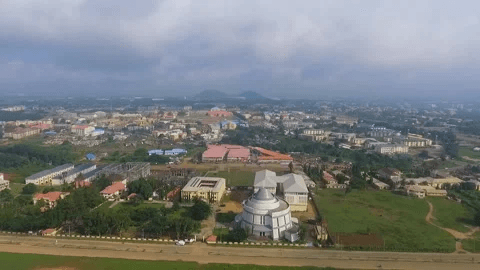
Durumi occupies a fascinating, highly strategic niche within the Federal Capital Territory housing market. Positioned squarely in Phase 2 of Abuja’s master plan, it functions as a critical bridge between the high-cost luxury of the inner city and the sprawling, more affordable peripheral districts extending down the Airport Road axis. For mid-level professionals, growing families, and corporate executives who find the rental rates of neighbouring Garki, Wuse, or Maitama prohibitive, Durumi presents a compelling, modern alternative that refuses to sacrifice geographic proximity for the sake of cost efficiency.

The primary target renter profile for Durumi consists of upwardly mobile working professionals, dual-income households, and expatriates attached to international institutions who require swift access to the Central Business District but prefer a quieter, self-contained residential environment.
It serves as an optimal base for individuals who value space and structural freshness, as the neighbourhood features an abundance of newly built terrace duplexes and contemporary blocks of flats that contrast sharply with the ageing, dated housing stock found in many parts of the older Garki and Wuse districts.
However, deciding to settle in Durumi requires a clear-eyed assessment of its inner structural dualities. While the area boasts secure, upscale gated estates and a highly prestigious international educational anchor, it sits immediately adjacent to unstructured urban settlements and pockets of undeveloped land.
This spatial proximity means that infrastructural quality can change rapidly from one street to the next, with pristine tarred estate corridors giving way to unpaved, dusty tracks.
This comprehensive guide will analyse the realities of living, commuting, and renting in Durumi, providing the unvarnished details necessary to make an informed residential choice.
What Is Durumi?
Durumi is an administrative district situated within the Abuja Municipal Area Council, which forms the core urban engine of the Federal Capital Territory. Geographically, the district occupies a central position in Abuja’s Phase 2 development layout, bounded tightly by major transit arteries that dictate the flow of traffic across the city. It is bordered to the north by the Garki 1 and Garki 2 districts, separated by the expansive Nnamdi Azikiwe Expressway.
To the south lies the Kaura district, home to the notable Games Village, while its eastern and western borders interface seamlessly with the Gudu commercial hub and the Wuye residential axis, respectively.
The district is bisected informally into two major administrative and developmental halves, commonly referred to as Durumi I and Durumi II, alongside the specialised institutional and residential corridors that run parallel to Area 1. Its geographic position places it directly along the primary infrastructure spine of the city, meaning it serves as a gateway node for commuters moving between the outer satellite towns like Lugbe or Kuje and the high-density administrative offices of the inner city. Its internal geography is anchored heavily by the presence of major international footprints, making it a critical point of reference for urban navigation within the southern quadrant of Abuja’s Phase 2.
The Neighbourhood Feel
The day-to-day ambience of Durumi is defined by a distinct, split personality that shifts according to the specific pocket of the neighbourhood you inhabit. Within the private estates and residential closes, the feel is decidedly suburban, secure, and serene. Here, wide streets, structured layout planning, and uniform architecture create a quiet environment that appeals directly to families and retirees.
On the open avenues and transitional boundaries, however, the tone changes to a high-density, energetic urban format, driven by small-scale commercial activities, local corner shops, and the constant movement of vehicular traffic connecting Garki to the inner depths of Phase 2.

The typical resident profile in Durumi is highly diverse, spanning mid-level to senior civil servants, corporate employees in banking and telecommunications, tech professionals, and non-governmental organisation staff. It attracts a demographic that is explicitly focused on balancing lifestyle quality with budgetary reality.
When contrasted with Gwarinpa, which functions as a massive, sprawling, self-contained mini-city with deep commercial saturation, Durumi feels significantly closer to the true administrative heart of Abuja. It trades Gwarinpa’s extensive internal entertainment and retail options for a tighter, more compact residential profile that slashes daily commute times to the Central Business District by more than half.
Key Streets, Zones, and Estates
The real estate footprint of Durumi is highly localised, with distinct enclaves commanding wildly different price points and lifestyle profiles. The most prominent and prestigious residential zone centres around the American International School of Abuja corridor.
This axis is heavily dominated by contemporary, multi-family residential complexes and premium terrace duplexes. The area features fully paved access roads, corporate security presence, and a highly organised layout. Housing stock here is predominantly newly built or thoroughly modernised, making it the premier choice for expatriates, senior corporate management, and families prioritising educational proximity.
Another critical residential anchor is the cluster of gated communities situated deep within Durumi II. These estates feature uniform architectural designs, typically consisting of four-bedroom terrace structures and detached duplexes complete with self-contained boys’ quarters.
Pockets of these estates offer structured facility management, communal swimming pools, and dedicated security gates. The price positioning here is premium but represents a significant discount compared to similar structures in Asokoro or Maitama. It suits upper-middle-class families who require modern interior finishes and a controlled environment for children.

In contrast, the transitional zones bordering Area 1 and the fringes of the local Durumi village present a completely different structural profile. Here, the housing stock consists of older, independent blocks of flats, mixed-use commercial properties, and unmanaged tenements.
Roads in these specific corridors vary in quality, with several stretches remaining unpaved and prone to erosion during the wet season. This zone is significantly cheaper and serves as a high-density hub for younger professionals, small business owners, and entry-level workers who prioritise low rental costs and immediate proximity to the transit networks of the Area 1 roundabout over estate amenities.
Rent Prices in Durumi
Rental values in Durumi reflect the structural divergence of the district, with sharp premiums placed on properties situated inside secure estates or close to major tarred avenues. For a modern, well-finished one-bedroom apartment, typically styled as a mini-flat or self-contained within a serviced complex, annual rent ranges between 2,500,000 Naira and 3,500,000 Naira. In the highly sought-after corridors near the American International School, these prices can edge closer to 4,000,000 Naira if premium services like 24-hour power and uniform security are bundled into the rental structure.
Moving up to family-sized accommodations, a standard two-bedroom flat in a conventional, unserviced building commands between 4,000,000 Naira and 5,500,000 Naira annually. In contrast, a highly upgraded, fully serviced two-bedroom apartment within a secure residential compound or estate will comfortably see asking prices ranging from 6,000,000 Naira to 7,500,000 Naira.

Three-bedroom apartments and terrace duplexes occupy the top tier of the local market, with annual rents starting from 7,000,000 Naira for basic options and climbing rapidly to between 9,000,000 Naira and 14,000,000 Naira for premium terraces and detached duplexes within managed estates.
When placed against the broader Nigerian real estate landscape for context, Durumi occupies a middle-tier premium bracket. It is significantly more affordable than high-end locations like Ikoyi or Lekki Phase 1 in Lagos, where equivalent three-bedroom structures regularly cross 15,000,000 Naira to 25,000,000 Naira.
Conversely, it stands as a premium option when compared to standard mainland residential areas like Yaba or Surulere in Lagos, or outer Abuja satellite hubs like Kubwa and Lugbe, where functional three-bedroom flats can still be secured for 2,500,000 Naira to 4,500,000 Naira. Payment terms in Durumi strictly adhere to the traditional Abuja norm, requiring an advance lump-sum payment covering one full year, with many landlords demanding a two-year upfront commitment for newly completed buildings, alongside standard 10 per cent legal and 10 per cent agency fees.
For current verified listings with real-time pricing and availability, browse apartments in Durumi on Expert Listing
Flooding: What You Need to Know
Flooding in Durumi is not a widespread, district-wide catastrophe, but rather a localised issue tied directly to topography, drainage bottlenecks, and the rapid pace of uncontrolled construction. The primary risk zones are concentrated around the lower-lying plains bordering the local streams and the unpaved channels near the transitional settlement areas. During heavy downpours, specific secondary access roads that lack concrete drainage walls experience significant water pooling, which can restrict vehicular movement and damage sub-standard road bases over time.
The core rainy seasons in Abuja span from April to July and return with increased intensity from September to October. During these months, the district’s drainage systems are put under intense pressure. The principal cause of localised flooding is the accumulation of solid waste in municipal channels and the obstruction of natural runoff routes by rapid, unauthorised building expansions.
The structured sub-zones and managed estates built on elevated topographies fare significantly better, as they possess engineered, internal drainage systems designed to channel stormwater directly into the municipal collector mains along the expressway.
Expert Listing maps flood-risk signals at the individual listing level so you’re working with precise data, not general impressions.
Safety and Security
When evaluated against standard urban mainland benchmarks, Durumi maintains a reassuring, stable safety profile that aligns with the general security architecture of Abuja’s Phase 2. The incidence of violent crime is relatively low, with the neighbourhood benefiting from its proximity to major administrative hubs and the frequent presence of security patrols. The overall security experience, however, shifts dramatically depending on the type of housing layout an individual selects.
Within the organised estates and serviced complexes, security is highly institutionalised. These enclaves employ private guards, maintain strict visitor access protocols, utilise access control barriers, and frequently deploy closed-circuit television monitoring along their perimeters.
On the open streets and transitional corridors near Area 1, the security setup is looser. While these areas enjoy high foot traffic and constant activity, which naturally deters covert criminal operations, they are more susceptible to opportunistic petty crimes such as phone snatching or vehicular break-ins after dusk. Standard urban precautions, such as avoiding unlit footpaths late at night and ensuring functional gate locks, are advisable across all sectors.
Commute and Getting Around
Commuting from Durumi is one of its strongest selling points, offering exceptional transit efficiency due to its immediate contact points with Abuja’s primary highway grid.
- To Maitama, Asokoro, and Wuse 2: Reaching these core administrative and lifestyle hubs takes between 12 and 18 minutes during off-peak hours via the Nnamdi Azikiwe Expressway or the Herbert Macaulay Way link. During morning peak traffic (7:00 AM to 9:00 AM), congestion at major intersections like the Area 1 roundabout or the Wuse zone switchpoints can extend this travel time to between 25 and 35 minutes.
- To the Central Business District (CBD): The commute to the CBD is remarkably brief. Drivers can access the city centre within 10 to 15 minutes under normal conditions, making it an incredibly efficient base for civil servants and corporate workers.
- To Major Outer Hubs: Travelling down to the Airport Road axis or heading toward Gwagwalada is straightforward, with a clear run out of the city, taking approximately 25 to 30 minutes to reach the Nnamdi Azikiwe International Airport link.
- Internal Transport: Movement within Durumi relies on a structured hierarchy of transit options. Registered green cabs and ride-hailing services like Uber and Bolt operate extensively throughout the district, offering seamless door-to-door transit into private estates. For internal hops along the major avenues, tricycles (keke) handle the bulk of commuter movement, while local mini-buses (danfo) service the outer perimeter along the Area 1 axis.

Schools
The educational infrastructure in and immediately around Durumi is highly developed, making the district an exceptional destination for families who prioritise international standards and academic rigour. The presence of top-tier schools eliminates the need for long, exhausting daily school runs into distant zones.
Notable schools serving the Durumi district include:
- American International School of Abuja – A world-class educational institution offering an American curriculum from early childhood through high school, featuring a sprawling campus and international staff.
- Stella Maris School – A highly reputable institution with a campus near Area 1, recognised for its strong academic track record, disciplined environment, and robust secondary boarding and day facilities.
- Meadowlands School – A modern primary and early years learning facility located within Durumi, focusing on personalised early childhood development and an integrated curriculum.
This concentrated cluster of high-performing educational institutions provides families with diverse choices, ensuring that children can access premium international or local Nigerian-British curricula without enduring stressful commutes.

Healthcare
Medical infrastructure serving Durumi is comprehensive, providing residents with rapid access to both localised family clinics and massive, highly specialised tertiary health facilities capable of handling complex medical situations.
The most critical hospitals serving the area include:
- Nisa Premier Hospital – Situated within immediate driving proximity, this is one of Nigeria’s premier private hospitals, globally renowned for its fertility medicine, advanced obstetrics, gynaecology, and comprehensive pediatric care.
- Nizamiye Hospital – Located a short distance away, this full-fledged international hospital offers state-of-the-art diagnostic imaging, advanced cardiology, orthopaedic surgery, and a 24-hour emergency trauma unit.
The close geographic proximity of these major medical facilities means that residents can access emergency critical care within less than ten minutes of transit, providing an invaluable safety net for families, pregnant women, and the elderly.

Lifestyle, Food, and Retail
The retail landscape in Durumi is characterised by convenient, everyday utility rather than grand luxury shopping. For daily groceries, household goods, and essentials, residents rely on a network of well-stocked supermarkets, pharmacies, and neighbourhood stores distributed along the main avenues. For traditional open-air marketing, fresh produce, and bulk foodstuffs, the nearby Garki International Market and the Area 1 market sit less than ten minutes away, offering an authentic, high-volume trading experience that keeps living costs manageable.

When it comes to dining and culinary variety, Durumi possesses a functional collection of local eateries, fast-food outlets, and casual outdoor spots. While it lacks the high-end, fine-dining density and experimental bistros found in Wuse 2 or Maitama, it offers casual dining options that focus on standard Nigerian staples and continental fast food. For a more sophisticated restaurant experience or vibrant nightlife, residents simply make the brief ten-minute drive into the inner city, treating Durumi as a quiet sanctuary to return to after an evening out.
For a comprehensive retail experience, the nearest major commercial centre is the Novare Central Mall in Wuse or the various shopping complexes in Garki. These locations are accessible within a twelve-minute drive and provide access to premium cinemas, international fashion brands, large-scale anchor grocery outlets, and kids’ play zones. Within Durumi itself, community recreation is anchored by private fitness hubs, local sports viewing centres, and the well-maintained recreation spaces or gyms embedded directly within the premium gated estates.
Utilities: Power and Water
Power supply in Durumi is managed by the Abuja Electricity Distribution Company and generally performs at or slightly above the average standard for Abuja Phase 2 districts. The area is connected to relatively stable urban feeders, meaning residents can expect multiple hours of electricity daily. However, the exact experience depends on your choice of housing.
In premium managed estates, central generator backup systems are standard, operating automatically during public grid outages to ensure uninterrupted power, though this comes with a corresponding service charge. In independent buildings, tenants rely on personal solar arrays or standby generators.
Water supply across Durumi is heavily reliant on private boreholes. While the central municipal water pipeline feeds specific parts of Phase 2, the vast majority of residential buildings utilise independent underground water pumping systems connected to overhead storage tanks.
The quality of borehole water in the area is generally clean, but landlords and estate managers typically install localised filtration systems to eliminate sediment before the water enters domestic plumbing lines.
Before executing a tenancy agreement in Durumi, it is highly recommended to request a comprehensive breakdown of the monthly or annual service charges, specifically isolating how generator diesel levies and water treatment maintenance costs are computed.
Who Durumi Is Best For
- Mid-career corporate professionals working in the CBD. The exceptional commute times via the expressway allow these individuals to maximise their working hours while avoiding the exhaustion of long travel distances.
- Families prioritising international education. The immediate proximity of top-tier schools like the American International School means children spend less time in school buses and more time on developmental activities.
- Expatriates and NGO workers receive moderate housing allowances. It offers the structural security and modern designs required by international staff without demanding the extreme rental premiums of the inner diplomat zones.
- Young couples looking for modern architectural aesthetics. The abundance of newly built mini-flats and contemporary terraces provides the sleek interior finishes this demographic desires at a justifiable price point.

What to Watch Out For
- Localised infrastructural disparities on secondary roads. Paved, perfect avenues can instantly give way to unpaved, dusty tracks, which require careful vetting of the specific route leading to a chosen building.
- High upfront estate service charges. The hidden cost of living comfortably in Durumi often rests within the annual maintenance levies, which can add a significant financial burden on top of the base rent.
- Proximity to unstructured settlements. Certain boundaries of the district border dense local villages, leading to localised noise during festive periods and a sharp contrast in aesthetic appeal.
- Strict landlord payment demands. The local real estate market is unyielding regarding payment structures, with a single-year upfront payment being the non-negotiable minimum requirement for almost all functional properties.
Ready to Find Your Apartment in Durumi?
Every listing on Expert Listing is checked before going live. Location is mapped precisely against flood-risk data. Listings are removed the moment they’re rented or sold. No ghost listings, no wasted trips.
Browse verified apartments for rent in Durumi on Expert Listing
Frequently Asked Questions
What is Durumi known for?
Durumi is most widely recognised as the residential host of the American International School of Abuja, which anchors its premium real estate corridor. It is also known for serving as a highly strategic, central transition zone that offers modern, secure estate living at a price point significantly lower than the older, inner-ring districts of Abuja.
How much is rent in Durumi in 2026?
In 2026, rent ranges fluctuate based on property age and service bundles. A modern one-bedroom flat averages between 2,500,000 Naira and 3,500,000 Naira, while standard two-bedroom units command between 4,000,000 Naira and 5,500,000 Naira. Premium three-bedroom terraces situated inside fully serviced gated estates regularly command between 9,000,000 Naira and 14,000,000 Naira annually.
Is Durumi safe for residential living?
Yes, Durumi is considered a secure and stable neighbourhood within the context of Abuja Mainland standards. The presence of closed gated estates, private security guards, and regular neighbourhood policing creates a protected environment, though residents in more open corridors should still practice standard urban security precautions.
How is the power supply in the Durumi district?
The power supply is relatively decent and follows the general performance metrics of the Abuja Electricity Distribution Company for Phase 2. While public grid availability spans several hours a day, residents living in mid-to-high-end apartments typically rely on estate-wide central generators or private solar installations to bridge supply gaps.
Does Durumi experience flooding during the rainy season?
Flooding is not widespread but occurs in localised, low-lying patches and specific unpaved paths that lack engineered drainage structures. The organised estates and elevated residential corridors near the main avenues remain dry and navigate the April–October wet seasons without structural disruptions.