Guzape, Abuja: Area Guide
Expert Listing
·
·
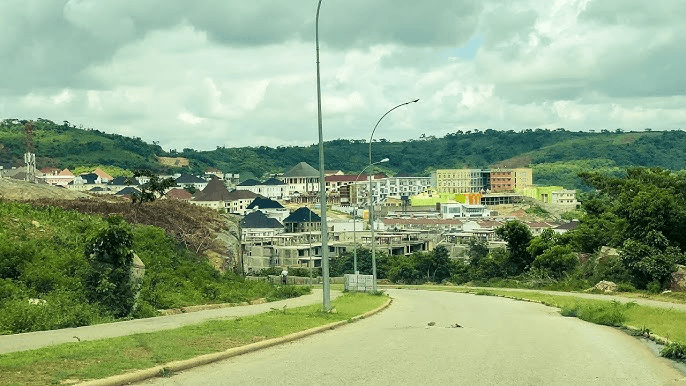
Guzape occupies a distinct position within the real estate market of the Federal Capital Territory. Positioned on an elevated, topographically challenging landscape, this Phase 2 district has transitioned from a rugged terrain into one of the most capital-intensive residential enclaves in Abuja. The area appeals strongly to affluent individuals who find the older, fully consolidated neighbourhoods like Maitama or Wuse 2 either too built-up or lacking in modern architectural options. It offers a visual landscape dominated by contemporary luxury duplexes, blocks of serviced apartments, and expansive construction sites that signal ongoing capital investment.
The target renter profile consists primarily of upper-middle-class professionals, senior corporate executives, members of the diplomatic corps, and successful tech entrepreneurs who require high-end housing within a short distance of the central business area. For these individuals, the neighbourhood represents an ideal compromise between prestige and accessibility, providing a level of aesthetic modernisation that older elite districts struggle to match. The architectural variety allows tenants to select contemporary smart homes with automated features, deep setbacks, and integrated security infrastructure.

However, choosing to reside here requires an objective assessment of the district’s operational trade-offs alongside its obvious premium status. The rapid pace of private property development has significantly outpaced the provision of public municipal infrastructure. Residents regularly experience unpaved or poorly graded access roads once they veer off the major tarred arteries, and the lack of a centralised public water system necessitates a heavy reliance on private boreholes and water treatment systems.
This guide analyses every facet of the district honestly, examining its zones, living costs, structural challenges, and daily logistics to give you a complete picture of what to expect.
What Is Guzape?
Guzape District, officially designated as choosing a location within the Municipal Area Council (AMAC), sits on the southern edge of Abuja’s primary residential core. It is bordered by Asokoro District to the north, Garki Area to the west, and the Apo resettlement zones to the south. This geographical positioning places it immediately adjacent to the seat of political power and administrative influence in Nigeria, making it an essential node in the city’s high-income residential network.
The district is bisected into major divisions known colloquially as Phase 1 and Phase 2, though residents and local real estate professionals often categorise sections based on topography or infrastructural development, such as the Diplomatic Zone. The Diplomatic Zone occupies the higher elevations of the hill, hosting premium ambassadorial residences and highly secure estates, while the lower-lying areas closer to the boundaries of Garki and Apo feature higher-density apartment blocks and ongoing commercial developments.
In terms of transit connectivity, the neighbourhood functions as a vital commuter link. It relies on the Murtala Mohammed Expressway (commonly called the Kubwa-Asokoro Express or the Outer Southern Expressway) and the George Akume Way to channel vehicular traffic into the Central Business District and surrounding phases. This arterial access ensures that while the district is physically isolated by its hilly terrain, it remains tightly integrated into the broader transport network of the Federal Capital Territory.
The Neighbourhood Feel
The character of Guzape is defined by its ongoing state of evolution, presenting a stark contrast between fully settled, ultra-luxury estates and raw, active construction zones. Walking or driving through the main corridors reveals a visual mix of polished granite facades, manicured estate lawns, and towering tower cranes operating next to exposed rock faces and unpaved paths. The day-to-day ambience is fundamentally quiet and suburban during the daytime, lacking the intense commercial foot traffic and street-level informal markets found in Garki or Wuse.

The typical resident profile is heavily skewed toward high-earning professionals, multinational employees, politicians, and senior civil servants with young or teenage families. This demographic prioritises privacy and security, creating an atmosphere where community interaction is largely confined within the gates of exclusive estates rather than occurring on public streets. The lower population density compared to standard Phase 2 or Phase 3 districts creates an aura of exclusivity, though this is occasionally punctuated by the noise and dust of heavy construction machinery digging into the hillsides.
When contrasted with a comparable area like Katampe Extension or Asokoro, the differences become clear. Asokoro features an established, mature landscape with tree-lined avenues and older, expansive colonial-style compounds where structural change is rare.
Katampe Extension shares a similar hilly topography and premium pricing, but it remains significantly less developed and lacks the immediate, seamless proximity to Garki and the Central Business District that Guzape enjoys. This specific positioning makes Guzape feel more dynamic, slightly denser, and faster-paced than its northern hill counterpart.
Key Streets, Zones, and Estates
The most prestigious sub-zone within the district is the Diplomatic Zone, positioned on the highest crest of the topography. This area is characterised by strict building regulations, massive private villas, and low-density residential layouts. The housing stock consists almost entirely of bespoke five-bedroom detached duplexes and highly secure, low-rise luxury condominiums.
Price positioning here represents the absolute peak of the local market, catering to foreign missions, international aid directors, and high-net-worth individuals who demand panoramic views of the city and minimal baseline noise.
Moving down toward the central corridors, the areas flanking major paved routes like the George Akume Way present a different structural profile. Here, the development focuses on multi-family residential complexes, serviced terrace houses, and three-bedroom blocks of flats.

This zone experiences higher vehicular movement and serves as the primary residential base for corporate professionals who require modern amenities like communal swimming pools, gyms, and 24-hour estate security but do not want the maintenance overhead of a massive standalone villa.
The lower borders approaching Apo and Kpaduma represent the developing frontier of the district. This section features a mix of completed modern estates and ongoing residential projects, where housing options range from two-bedroom apartments to mid-tier terrace buildings. Price positioning is relatively accessible compared to the top of the hill, attracting younger professionals and emerging business owners. However, this sub-zone also bears the brunt of the area’s infrastructural deficits, with several access roads remaining unpaved, leading to muddy conditions during the wet season.
Rent Prices in Guzape
Rental costs reflect its status as a premium residential destination, with prices closely tracking the level of infrastructural completion and structural finishes of the property. In Phase 1 and the premium Diplomatic Zone, a standard one-bedroom apartment or serviced studio commands an annual rent ranging from 3,500,000 Naira to 6,000,000 Naira, depending heavily on the provision of inclusive services like alternative power and facility management.
For two-bedroom apartments, rental rates scale upward significantly. In the core developed zones, these units attract between 6,500,000 Naira and 9,500,000 Naira per annum. Three-bedroom apartments or modern terrace designs represent the most sought-after category for corporate tenants, with rental values ranging from 10,000,000 Naira to 16,000,000 Naira annually, while premium configurations or standalone penthouses can easily exceed 20,000,000 Naira in the most exclusive managed estates.

| Property Type | Lower/Developing Zones (Apo) | Premium/Diplomatic Zones |
|---|---|---|
| 1-Bedroom Apartment | ₦2,500,000 – ₦3,500,000 | ₦3,500,000 – ₦6,000,000 |
| 2-Bedroom Apartment | ₦5,000,000 – ₦6,500,000 | ₦6,500,000 – ₦9,500,000 |
| 3-Bedroom Apartment | ₦8,000,000 – ₦10,000,000 | ₦10,000,000 – ₦16,000,000 |
When evaluated against the wider Nigerian real estate landscape, these prices align closely with premium Lagos island nodes like Ikoyi or the serviced corridors of Lekki Phase 1. Conversely, they present a massive premium over middle-income Mainland alternatives such as Gbagada or Yaba, where a standard three-bedroom flat averages between 3,000,000 Naira and 5,000,000 Naira.
Payment terms remain rigidly traditional, with landlords universally demanding a full one-year or two-year lump-sum advance payment, alongside a 10 per cent legal fee, a 10 per cent agency fee, and a refundable caution deposit that can range from 500,000 Naira to 1,500,000 Naira.
Flooding: What You Need to Know
While its general elevated topography naturally protects it from the sweeping, systemic riverine floods seen in low-lying satellite areas of Abuja, the district is susceptible to severe flash flooding during heavy downpours. The primary risks materialise on the lower-lying access roads and the perimeter streets joining the Garki and Apo axes. During the heavy rainy seasons, which run from April to July and pick up again from September to October, torrential rain creates fast-moving surface water that flows down from the hillsides.
The underlying cause of this structural risk is the combination of steep hills and incomplete drainage systems. As private developers pave over large expanses of land to build massive concrete structures, the natural absorption capacity of the soil is reduced. When heavy rain falls, the runoff water rushes down the unpaved hillsides and overwhelms the shallow or blocked drainage channels along the lower corridors, occasionally submerging vehicles and lower floors of properties situated at the base of slopes.
The higher elevations and the strictly monitored Diplomatic Zone fare much better during these downpours. The natural incline forces water to run off rapidly, preventing standing pools from forming on the main paved roads. However, even in these premium areas, if the property’s immediate entry gate lacks an elevated threshold or an independent drainage channel, surface runoff can breach the driveway. Prospective tenants must inspect the specific slope direction and drainage capacity of any street they consider.
Expert Listing maps flood-risk signals at the individual listing level so you’re working with precise data, not general impressions.
Safety and Security
From a security standpoint, the area maintains an excellent safety rating that performs exceptionally well when measured against standard Abuja municipal baselines. Its physical isolation from high-density commercial hubs and informal settlements limits spontaneous criminal activity and opportunist theft. The neighbourhood is generally secure for evening commutes and outdoor recreation along the primary illuminated roads, making it a preferred location for safety-conscious professionals.
The security profile varies notably between managed estates and open streets. Properties located within gated communities or diplomatic clusters enjoy multi-layered protection, including armed police attachments, private security personnel conducting perimeter sweeps, biometric access gates, and functional CCTV networks. Conversely, standalone properties on open, uncompleted streets rely entirely on their independent security measures, such as high perimeter walls, electric fencing, and hired corporate guards, making them relatively more exposed if those measures are neglected.
While violent crime is rare, residents are advised to remain aware of their surroundings, particularly on poorly illuminated link roads during late-night hours. The presence of numerous active construction sites brings a large, transient workforce into the district during the day, which requires property managers to maintain strict control over site entry points. Standard residential precautions, such as installing motorised security gates and maintaining proper lighting around the external perimeter, provide sufficient protection against typical security challenges.
Commute and Getting Around
Commuting from the neighbourhood to major administrative and commercial zones is highly efficient due to its central location, provided you understand the traffic flow patterns during rush hours.
- To Maitama, Asokoro, and Wuse 2: Reaching these core Phase 1 districts takes between 10 and 15 minutes under standard driving conditions. The route utilises the Murtala Mohammed Expressway or cuts directly through internal link roads into Asokoro. During the morning peak rush hours between 7:30 AM and 9:00 AM, bottleneck points can form at the main intersections leading onto the highway, extending the travel time to approximately 25 minutes. Off-peak travel remains smooth and fast.
- To the Central Business District (CBD): The commute to the main administrative offices, banks, and ministry buildings takes roughly 10 minutes via George Akume Way. This direct access makes it an exceptional base for senior civil servants and corporate executives who need to move between their offices and residences quickly during the day.
- To Major Outlying Hubs: Travelling to external commercial centres or transit nodes like Gwagwalada or the Nnamdi Azikiwe International Airport takes roughly 35 to 45 minutes along the Outer Southern Expressway, avoiding the heavy traffic congestion common to the western entry corridors of Abuja.

Internal transit within the district relies heavily on private vehicles and ride-hailing applications like Uber and Bolt, which have excellent coverage and rapid response times throughout the area. Standard commercial buses (danfos) and tricycles (kekes) are restricted from operating on the primary internal residential roads to maintain the neighbourhood’s quiet atmosphere. Public transit options are limited to the major boundary expressways, where commuters can board regulated green buses or shared taxis heading toward Area 1, Garki, or the northern suburbs.
Schools
The educational landscape serving families in the area is highly developed, featuring several elite institutions that operate with international curricula and modern facilities.
- Start-Rite International School – A premium educational institution located along the primary access corridors, offering an integrated British-Nigerian curriculum from early years through secondary levels, featuring comprehensive STEM facilities and structured leadership programs.
- Fairview School – A well-equipped learning environment emphasising the Early Years Foundation Stage (EYFS) and a holistic primary curriculum, structured to provide individual learning attention within a low-density classroom setup.
- Capital Science Academy – Positioned within easy commuting distance of the district, this institution focuses heavily on secondary science education and technical learning frameworks.
- Glisten International Academy – A notable private institution providing structured primary and secondary programs with extensive boarding facilities and a focus on digital literacy.
This dense concentration of quality educational options makes the district highly practical for families with school-aged children, removing the need for long, stressful morning commutes across the city.

Healthcare
Medical infrastructure serving the neighbourhood comprises a mix of specialised private hospitals and world-class diagnostic centres located within the immediate vicinity. Residents enjoy access to rapid emergency services and advanced clinical care without needing to travel deep into the city centre.
The most notable facility nearby is Nisa Premier Hospital, located just minutes away in the adjacent Jabi-Garki axis. This hospital is highly regarded for its specialised fertility treatments, comprehensive obstetrics and gynaecology departments, and dedicated pediatric emergency wing. For general and highly advanced tertiary medical care, residents also rely on Nizamiye Hospital, an ultra-modern facility offering world-class services in cardiology, open-heart surgery, neurology, and intensive care, managed by international medical consultants.
Additionally, several private health clinics and specialist diagnostic centres operate along the main commercial paths of the district. These clinics handle routine family check-ups, diagnostic laboratory tests, and dental care, ensuring that primary medical solutions remain accessible. The close proximity to these top-tier institutions provides peace of mind for families and expatriates who require reliable,
International-standard healthcare is available 24 hours a day.
Lifestyle, Food, and Retail
The lifestyle landscape is characterised by utility and understated luxury rather than intense commercial entertainment. Retail needs are met by a growing network of modern supermarkets and upscale shopping strips situated along the main roads, such as H-Medix and Next Cash and Carry alternatives nearby, which supply imported groceries, home essentials, and pharmaceutical goods.
For everyday local foodstuffs, residents typically send domestic staff to the nearby Apo Resettlement Market or the Garki Model Market, keeping the interior of the district entirely free from chaotic traditional marketplaces.

The dining scene has expanded steadily, featuring a collection of premium, low-profile restaurants, cafes, and rooftop lounges that cater to the neighbourhood’s wealthy demographic. While it lacks the sheer volume and competitive variety of the restaurant clusters found in Wuse 2, it offers a more relaxed, intimate dining experience focused on continental cuisine, high-end pastry menus, and business-friendly environments. For a more diverse or experimental culinary experience, residents simply make the brief 10-minute drive into Wuse 2 or Maitama.
The district does not host a massive indoor shopping mall within its immediate borders. The nearest major retail hub is the Ceddi Plaza or the commercial developments in the Central Business District, reachable within a 10 to 12-minute drive, providing access to multi-screen cinemas, fashion boutiques, corporate retail outlets, and indoor play zones for children.

Recreation within the neighbourhood focuses on wellness and fitness, with several high-end independent gyms and health clubs operating within the major estates, offering private personal training, swimming facilities, and tennis courts.
Utilities: Power and Water
The electrical supply is managed by the Abuja Electricity Distribution Company (AEDC). It generally receives a stable allocation of power compared to the municipal average for Phase 2 districts. Properties located within premium zones and managed estates are typically mapped onto dedicated commercial or high-priority feeders, which guarantee between 16 and 20 hours of daily supply, barring systemic national grid collapses or seasonal equipment faults.
Despite this favourable allocation, the norm within every major estate and luxury apartment block is the integration of automated backup systems. Landlords rely on heavy industrial diesel generators or large-scale solar inverter installations to bridge any supply disruptions instantly. In several fully serviced complexes, these alternative power frameworks operate on a mandatory 24-hour schedule, meaning tenants rarely experience a drop in voltage or a loss of air conditioning.

Water supply represents a critical operational point that prospective tenants must evaluate before committing to a property. The public municipal water pipe network does not comprehensively serve the entire district due to its rocky, undulating terrain. Consequently, properties rely almost entirely on private industrial boreholes dug deep into the water table. Because the local geology can yield water with high mineral content, reputable landlords install independent water treatment plants and reverse osmosis systems to ensure safety.
It is essential to get a full monthly cost picture, including the service charges and generator levies, before signing any lease agreement, as these hidden operational costs can add an extra 20 to 35 per cent to your baseline rental expenses.
Who is Guzape Is Best For
- Senior corporate executives and multinational directors. The neighbourhood offers seamless proximity to the Central Business District, allowing these professionals to minimise their daily commute times while enjoying an elite, low-density residential environment that matches their corporate status.
- Members of the diplomatic corps and expatriates. The highly secure infrastructure of the Diplomatic Zone, coupled with modern building finishes and strict estate privacy, satisfies the safety protocols and lifestyle standards required by foreign missions.
- Families prioritising top-tier private education. With premium institutions like Start-Rite and Fairview located directly within the district, parents can give their children an international education without subjecting them to long hours in morning traffic.
- Real estate investors and high-earning tech entrepreneurs. The high rate of capital appreciation and steady demand for luxury rentals make the district an ideal environment for individuals looking to build dynamic, premium property portfolios.
What to Watch Out For
- Unpaved and poorly graded access roads. While the primary thoroughfares are perfectly tarred, moving a few hundred meters off the main arteries can land you on rugged, unpaved terrain that presents significant driving challenges during the peak rainy season.
- High monthly estate service charges. Living in a serviced complex means you will face substantial recurrent levies for diesel procurement, security personnel, and water treatment, which can fluctuate unpredictably based on national energy costs.
- Persistent construction noise and dust. Because the district is still actively developing, residents living near open plots must tolerate the ongoing presence of heavy machinery, excavation drilling, and constant commercial trucks moving through residential streets.
- Complete lack of public water infrastructure. The total reliance on private boreholes means your water security depends entirely on the landlord’s willingness to maintain complex pumping and treatment systems properly over the long term.
Ready to Find Your Apartment in Guzape?
Every listing on Expert Listing is checked before going live. Location is mapped precisely against flood-risk data. Listings are removed the moment they’re rented or sold. No ghost listings, no wasted trips.
Browse verified apartments for rent in Guzape on Expert Listing
Frequently Asked Questions
What is Guzape known for?
The district is known across Abuja as an exclusive, high-income residential area characterised by its dramatic hilly topography, contemporary luxury architecture, and the prestigious Diplomatic Zone. It is celebrated for offering panoramic views of the city centre while providing an isolated, quiet environment just a short distance from the Central Business District. This balance of prestige, modern building standards, and proximity to power makes it a prime choice for diplomats, politicians, and senior corporate figures.
How much is rent in Guzape in 2026?
Rental values reflect its status as a premium residential destination, with prices closely tracking the level of infrastructural completion and structural finishes of the property. In Phase 1 and the premium Diplomatic Zone, a standard one-bedroom apartment or serviced studio commands an annual rent ranging from 3,500,000 Naira to 6,000,000 Naira. For two-bedroom apartments, rental rates scale upward significantly, attracting between 6,500,000 Naira and 9,500,000 Naira per annum, while three-bedroom apartments or modern terrace designs range from 10,000,000 Naira to 16,000,000 Naira annually.
Is there a stable water supply in Guzape?
There is no comprehensive centralised public water supply provided by the municipal authorities due to the rocky and elevated nature of the district’s terrain. Instead, residential properties and commercial estates rely entirely on private industrial boreholes to source water from the underground water table. Because this water often contains a high mineral content, reputable landlords and estate managers must install localised filtration and treatment systems to make the water safe for daily domestic use.
How secure is the Guzape district compared to other areas in Abuja?
The area maintains a very high safety rating that performs exceptionally well when measured against standard Abuja municipal baselines, largely due to its physical isolation from dense commercial zones. Security is especially tight within the gated estates and the Diplomatic Zone, where access is strictly regulated using biometric gates, private guards, and armed police patrols. Standalone properties on developing streets are slightly more exposed and must rely on independent security infrastructure like electric fences and personal guards.
Does Guzape experience flooding during the rainy season?
The elevated topography protects the core parts of the district from systemic riverine flooding, but the area is prone to sudden flash floods on its lower-lying access roads and peripheral borders near Apo during heavy downpours. This issue occurs because rapid construction has replaced natural soil with concrete surfaces, creating significant water runoff that flows down the hillsides. If the shallow or uncompleted drainage channels at the base of these slopes are blocked, the rushing water can create temporary standing pools that pose challenges for motorists.