Jabi, Abuja: Area Guide
Expert Listing
·
·
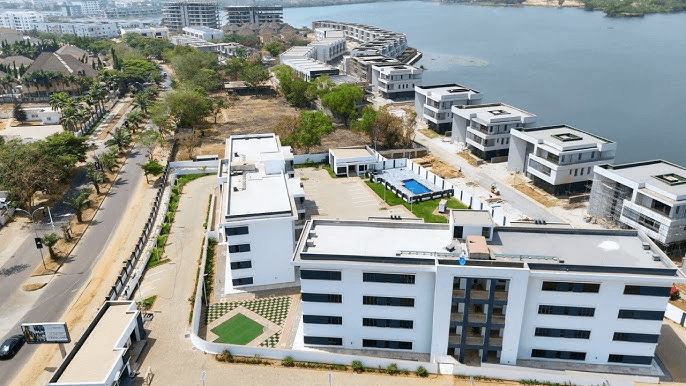
Selecting a neighbourhood in Abuja requires a careful balance between administrative accessibility and everyday livability. As the Federal Capital Territory expands, Jabi has solidified its position as one of the most balanced residential options within Phase 2 of the city master plan. It serves as a vital bridge between the high-priced, institutional core of Phase 1 and the sprawling, more affordable residential developments of Phase 3.
For the upwardly mobile professional, corporate executive, or expanding family, Jabi offers an urban landscape where everyday retail and recreational necessities are integrated directly into the neighbourhood grid. Unlike purely administrative quarters that empty out at dusk, this district maintains a continuous domestic presence, anchored by its famous inland water body and a well-developed commercial network.

However, this central positioning comes with clear operational compromises.
The rapid conversion of residential plots to commercial premises has introduced localised traffic bottlenecks, and the premium placed on proximity to central hubs means real estate costs remain elevated.
For those trying to decide between the quiet prestige of Maitama and the high density of Gwarinpa, this guide provides a precise, realistic breakdown of what it actually costs and feels like to live in Jabi today.
What Is Jabi?
Jabi sits within the Abuja Municipal Area Council, which is the administrative local government area handling the metropolitan core of the capital city. Geographically, the district occupies a strategic western position relative to Abuja Phase 1. It is bordered by Kado to the north, Utako to the east, Dakibiyu to the south, and Life Camp to the west, while the massive hub of Gwarinpa lies just to the northwest.
The district is organised around two major arterial roadways that dictate commute patterns across the city. The Nnamdi Azikiwe Expressway forms its eastern boundary, facilitating rapid transit to outer districts, while Obafemi Awolowo Way cuts directly through the heart of the neighbourhood, providing a straight line into the Central Business District. Jabi is broadly understood through its distinct functional axes: the high-end residential waterfront zone facing Jabi Lake, the commercial transit corridor near the Utako border, and the interior residential pockets that stretch toward Life Camp.
The Neighbourhood Feel
Jabi presents a dual personality that shifts depending on which side of Obafemi Awolowo Way you find yourself. In its core residential enclaves, the atmosphere is established, calm, and characterised by wide, tree-lined streets fronted by large, gated detached houses and modern terrace developments. The presence of lush greenery and manicured setbacks gives these sections a relaxed, suburban feel that matches the lifestyle expectations of the senior civil servants, corporate executives, and business owners who live here.
Step closer to the commercial strips and the transit terminals near Utako, and the energy transforms into a fast-paced urban environment. The day-to-day ambience here is busy and high-density, driven by shoppers, commuters, and professionals navigating local office complexes. While it lacks the quiet isolation of Asokoro, it offers far more structural order and better security infrastructure than outer districts like Lokogoma, acting as a functional middle ground for residents who want a lively neighbourhood without sacrificing personal safety or layout order.

Key Streets, Zones, and Estates
The premium waterfront strip along Bala Sokoto Way represents the peak of Jabi residential real estate. This corridor faces Jabi Lake directly, where old single-family mansions sit alongside newer luxury blocks of flats and serviced townhouses. The visual landscape here is clean, and the air is noticeably cooler due to the water body. This zone is heavily guarded and attracts wealthy professionals, diplomats, and expatriates who prioritise scenic views and low foot traffic.
Deeper into the interior grid, Umaru Dikko Street serves as a major mixed-use collector road that balances quiet family compounds with boutique commercial offices, private clinics, and specialised businesses. The housing stock along this axis is dominated by mid-rise blocks of 3-bedroom flats and well-proportioned terraces. It is a highly practical location that suits mid-to-senior corporate employees who want to minimise their morning commute while staying within a structured, easily identifiable address.
Bilaad Estate stands out as one of the highly structured, modern master-planned communities within the Jabi residential sphere. Known for its clean architectural lines and uniform appearance, this gated community features premium 5-bedroom terrace designs equipped with smart-home features and perimeter security systems. It is tailored strictly for families who prefer collective estate management, private children’s play areas, and a predictable social circle over standalone property maintenance.
Grand View Estate, which is also referred to as Jubilation Grandview Estate, offers a more accessible entry point into managed community living within the Jabi-Dakibiyu border zone.
The estate consists primarily of 4-bedroom terraced houses that are functionally designed rather than overtly luxurious. It is clean, organised, and maintains strict access control at the gatehouse. This makes it an ideal fit for growing professional families who require practical square footage, continuous security patrol, and direct transit access to the expressway.

Lake View Estate Phase 1 occupies a slightly secluded position within the district, trading immediate main-road visibility for enhanced domestic privacy. The development features spacious 4-bedroom semi-detached duplexes, each accompanied by a detached domestic staff quarter. Because it is tucked away from the major commercial corridors, it experiences almost zero drive-through traffic, making it a preferred choice for high-income families who want maximum quietness without moving to the distant outer fringes of the capital.
Rent Prices in Jabi
Rental valuations in Jabi reflect its position as a high-demand, near-centre neighbourhood, with prices showing wide variations based on proximity to the lake front and the age of the building structure. For a standard 1-bedroom apartment, which includes modern mini-flats, annual rent ranges from ₦2,400,000 to ₦4,800,000, though premium, fully serviced or furnished studio options near the commercial corridors frequently exceed these figures.
Moving up to a standard 2-bedroom flat, rental rates average between ₦4,500,000 and ₦7,500,000 per year, with variations depending on the presence of alternative power backup and uniform security guards. Spacious 3-bedroom apartments or mid-tier townhouses in established parts of the district command between ₦7,000,000 and ₦12,000,000 annually. Properties located inside master-planned waterfront communities or luxury developments along Bala Sokoto Way regularly cross ₦15,000,000 per annum for 3-bedroom configurations.

When compared to Phase 1 prime districts like Wuse 2 or Maitama, where 3-bedroom flats routinely cost upwards of ₦15,000,000 to ₦25,000,000, Jabi offers a distinct discount for similar internal square footage. Conversely, it commands a clear premium over outer Phase 3 suburbs such as Lugbe or Kubwa, where 3-bedroom units can still be secured for ₦2,000,000 to ₦4,500,000. Payment terms follow the strict Abuja norm: landlords expect a full annual lump sum advance payment, with secondary service charges for security, waste management, and common area maintenance billed separately.
For current verified listings with real-time pricing and availability, browse apartments in Jabi on Expert Listing
Flooding: What You Need to Know
Jabi is built on relatively favourable topography compared to low-lying basin areas of the city, but it faces distinct flash flooding vulnerabilities during the peak of the Abuja rainy seasons, which run from April to July and return from September to October. The primary cause of water retention in the neighbourhood is not a lack of natural elevation, but rather the rapid urbanisation that has paved over green drainage clearings, combined with the occasional structural blockage of secondary culverts by solid waste.
The most visible issues occur along specific low-lying intersections near the Utako and Dakibiyu borders, where storm runoff from Obafemi Awolowo Way collects faster than the existing underground drainage cells can discharge it. Sections of roads directly adjacent to the natural drainage channels feeding into Jabi Lake can also experience brief canal overflow during continuous, heavy downpours. In contrast, structured master-planned communities like Bilaad Estate and the elevated residential grids around Umaru Dikko Street fare much better, as their internal drainage infrastructure was laid out as a single, coordinated system designed to move surface water away into main city channels quickly.
Expert Listing maps flood-risk signals at the individual listing level so you’re working with precise data, not general impressions.
Safety and Security
From a security perspective, Jabi stands as one of the safer urban districts within the broader Abuja metropolitan area. Its proximity to high-profile diplomatic residences, senior government quarters, and key commercial installations ensures a regular and visible presence of state security patrols along its primary transport spines. This baseline makes it significantly more secure than the more porous satellite towns on the city periphery.
The security profile is highly localised by street type. Inside gated developments like Lake View Estate and Grand View Estate, security is robust, featuring 24-hour manned gates, visitor pre-clearance protocols, and physical perimeter walls with electric fencing. The open public streets and commercial corridors experience higher foot traffic and require standard urban awareness, particularly after dark, near the transit parks or unlit sections of the secondary links. Standard precautions include ensuring household security gates are locked at night and choosing residences with active, community-funded street guards.
Commute and Getting Around
Commuting from Jabi to the primary administrative and commercial centres of Abuja is highly efficient due to its direct road links, though travel times are dictated heavily by morning and evening traffic patterns.
- To Maitama, Asokoro, and Wuse 2: Reaching these prime Phase 1 districts takes between 10 and 15 minutes during off-peak hours via Obafemi Awolowo Way or Shehu Shagari Way. During the morning peak window from 7:30 AM to 9:00 AM, localised slowdowns at major intersections can extend this commute to 25 or 35 minutes.
- To the Central Business District (CBD): The straight-line route down Obafemi Awolowo Way allows residents to reach the heart of the CBD in roughly 10 minutes when traffic is clear. During peak evening return hours, from 4:30 PM to 6:30 PM, congestion at the main exit points increases travel time to about 20 or 25 minutes.
- To Outer Hubs: Travelling outward toward the international airport or the industrial zones along the airport road is straightforward via the Nnamdi Azikiwe Expressway, taking approximately 30 to 40 minutes under normal driving conditions.
- Internal Transport: Moving within Jabi is highly accessible. Ride-hailing services like Uber and Bolt operate with high density throughout the district, with average pickup wait times under 5 minutes. For local point-to-point transit on internal streets, green mini-buses and registered kekes provide cost-effective options, though their operation is restricted on certain premium residential avenues to preserve neighbourhood quietness.

Schools
Jabi features an excellent selection of educational institutions, making it an incredibly practical base for families who want to avoid spending hours in school-run traffic every morning. The area hosts several international and local curriculum schools that cater to diverse academic standards.
● International Community School — Located within easy reach of the main residential tracks, this institution delivers an American curriculum from early years through high school, heavily favoured by expatriates and upper-income professionals seeking global university preparation.
● Doveland International Schools — Situated on a purpose-built campus within the district, this school combines elements of the British and Nigerian curricula for primary-aged pupils, focusing on individualised learning and early childhood development.
This concentration of reputable primary and secondary schools ensures that parents can keep their children’s daily transit times under 15 minutes, adding an immense layer of convenience to family life in the area.

Healthcare
The healthcare ecosystem serving Jabi is comprehensive, providing residents with quick access to both general medical services and highly specialised clinical care without requiring long trips across the city.
The most notable institution directly accessible to the neighbourhood is Nisa Premier Hospital, an accredited multi-speciality facility celebrated nationally for its advanced fertility treatments, comprehensive maternity care, and full-scale pediatric services. For family-focused urgent care and day-to-day diagnostics, Cardinal Care Hospital and Maternity operates a 24-hour responsive facility nearby, handling acute medical stabilisation, pediatric monitoring, and trauma response. Additionally, specialised reproductive health needs are covered by the Abuja centre of the Bridge Clinic, which provides structured fertility care and clinical diagnostics from its modern facility on Umaru Dikko Street. This close proximity to high-tier medical infrastructure offers peace of mind to families and elderly residents alike.
Lifestyle, Food, and Retail
Retail activity within Jabi is highly centralised, ensuring residents rarely need to leave the district for everyday provisions or speciality shopping. The area features numerous independent supermarkets, pharmaceutical chains, and retail boutiques scattered along its main commercial arteries. For fresh produce and traditional open-air shopping, the nearby Utako market provides an extensive selection of wholesale foodstuffs straight from local agricultural supply lines, though it requires navigating a chaotic environment.
The dining scene in Jabi has evolved into a legitimate culinary destination that rivals Wuse 2 in variety, while maintaining a more relaxed atmosphere. The avenues surrounding the lake are populated by a diverse selection of continental restaurants, open-air grills, and specialised cafes. Popular establishments such as Coco Café and Serendib provide scenic waterfront dining experiences that combine Lebanese, Asian, and local Nigerian culinary styles. The social energy here is sophisticated but less hurried than the fast-paced nightlife blocks of central Wuse.
The primary retail and lifestyle anchor for the entire district is the Jabi Lake Mall, a sprawling lakeside shopping destination located right on Bala Sokoto Way. It is reachable within 5 to 10 minutes from anywhere inside the neighbourhood and houses major international retail brands, structured department stores, a multi-screen cinema, and a comprehensive food court. It functions as both a weekend shopping resource and a central point for corporate meetings.

For recreation and physical wellness, the district is built around the expansive Jabi Lake Park, a green public space that attracts fitness enthusiasts from across the city for early morning jogging, aerobics, and competitive field sports. The lake itself hosts recreational boat rides and water sports. The area is also well-supplied with private fitness options, including well-equipped modern gymnasiums and wellness clubs that feature indoor swimming pools and dedicated spaces for personal training.
Utilities: Power and Water
Electricity supply in Jabi is managed by the Abuja Electricity Distribution Company and is generally regarded as superior to the national average, with residential zones receiving between 14 and 18 hours of grid power on typical days. Despite this stable baseline, the operational standard for mid-to-high-end properties remains firmly anchored on automated generator backup. Inside managed estates, central diesel generators are standard, with fuel costs integrated into the monthly or annual service charges.
Municipal water infrastructure is present across most parts of the Jabi master plan, but its reliability can vary by zone. To ensure an uninterrupted supply, almost every residential property relies on a private borehole system equipped with industrial filtration tanks and overhead storage vessels. Because water management and power generation are largely handled at the property level, tenants must get a clear, transparent picture of the monthly service charges and generator fuel levies before finalising any lease agreement.

Who Jabi Is Best For
- Mid-to-senior corporate professionals commuting to the CBD. The direct, 10-minute commute down Obafemi Awolowo Way allows these individuals to maximise their productivity while avoiding the exhausting transit times associated with outer satellite towns.
- Families prioritising top-tier international education. With institutions like the International Community School situated right within the neighbourhood grid, parents can eliminate long, stress-inducing school runs from their daily routines.
- Upwardly mobile professionals who value an active outdoor lifestyle. The immediate proximity to Jabi Lake Park and the surrounding modern fitness centres provides an ideal environment for individuals who want to integrate regular exercise and green spaces into their weekly schedules.
- Expatriates and corporate diplomats seeking structured estate security. The availability of high-end, fully serviced gated communities along the lakefront offers the precise safety standards and facility management these residents require.
What to Watch Out For
- Increasing commercial encroachment on quiet residential streets. The rapid conversion of private plots into office blocks and retail spaces can introduce unexpected noise and parked cars right outside your residential gate.
- Localised traffic congestion around the Jabi Lake Mall at weekends. The heavy influx of shoppers and visitors from across Abuja can slow traffic down to a crawl along Bala Sokoto Way on Saturday and Sunday evenings.
- High secondary service charges in fully serviced estates. Landlords frequently present attractive base rents, only for tenants to face steep, non-negotiable annual levies for diesel power generation and common area security.
- Varying water quality requires an advanced filtration setup. Because borehole depths differ across the district, some properties require continuous investment in specialised water treatment systems to eliminate iron and mineral sediment.
Ready to Find Your Apartment in Jabi?
Every listing on Expert Listing is checked before going live. Location is mapped precisely against flood-risk data. Listings are removed the moment they’re rented or sold. No ghost listings, no wasted trips.
Browse verified apartments for rent in Jabi on Expert Listing
Frequently Asked Questions
What is Jabi known for?
Jabi is recognised across the Federal Capital Territory as a premier waterfront residential and commercial district that successfully balances natural recreation with urban convenience. It is most famous for Jabi Lake and its accompanying public park, which serves as the central hub for outdoor fitness, jogging, and water recreation in the city. Additionally, the district is widely known for hosting the Jabi Lake Mall, a major retail destination, alongside an array of secure, high-end gated estates that house Abuja’s upwardly mobile professional class.
How much is rent in Jabi in 2026?
As of 2026, rental pricing in Jabi remains positioned in the upper-middle tier of the Abuja real estate market. A standard 1-bedroom apartment averages between ₦2,400,000 and ₦4,800,000 annually, depending on the age and finishing of the building. Standard 2-bedroom flats command between ₦4,500,000 and ₦7,500,000, while spacious 3-bedroom apartments or modern terraced houses generally range from ₦7,000,000 to over ₦12,000,000 per year, with premium waterfront units commanding a significant premium above these averages.
Is Jabi a safe place to live?
Yes, Jabi is considered one of the safer and more structurally secure residential options within the Abuja metropolitan core. Its central location ensures consistent patrolling by state security forces, and the high concentration of gated residential estates provides excellent localised protection, including 24-hour manned gatehouses and perimeter surveillance. While standard urban precautions are recommended when walking along open commercial corridors late at night, the neighbourhood experiences very low rates of serious security incidents compared to the outer satellite towns.
Does Jabi Abuja experience flooding?
Jabi is built on generally stable and elevated terrain, meaning it does not experience wide-scale, deep flooding. However, like many rapidly developing parts of Abuja, it is prone to localised flash flooding during peak downpours in the rainy seasons from April to July and September to October. This temporary water pooling is primarily caused by blocked street gutters and rapid concrete construction that impedes natural surface runoff, particularly at low-lying intersections near the Utako and Dakibiyu boundaries.
What is the difference between Jabi Phase 1 and Phase 2?
In the context of the Abuja Master Plan, Jabi as an entire district is officially classified as a Phase 2 neighbourhood. However, residents often use these terms informally to distinguish between the older, fully established residential zones near the lake and the newer mixed-use commercial corridors extending toward the expressways. The older sections feature larger, mature single-family compounds and tree-lined streets, while the newer sectors are characterised by modern, high-density apartment blocks, corporate offices, and commercial retail strips.