Kubwa, Abuja: Area Guide
Expert Listing
·
·
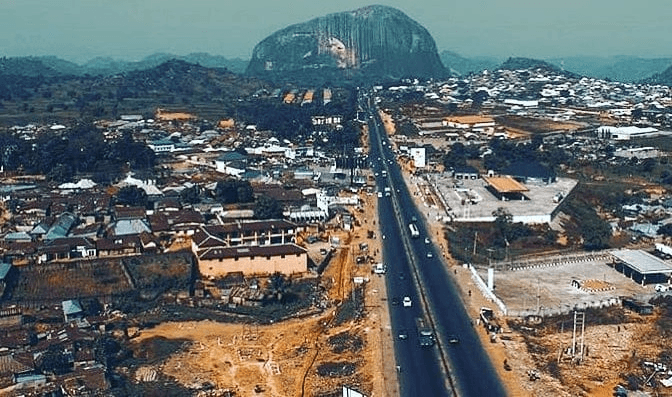
Kubwa occupies a unique and essential position within the residential framework of the Federal Capital Territory. As one of the largest and most established satellite towns in Abuja, it serves as the primary residential anchor for the city’s middle class, young professionals, and growing families who find the cost of living in the central districts prohibitive.
It offers a functional alternative to the extreme real estate premiums of Wuse or Maitama, trading geographical proximity for market affordability and a more self-contained urban ecosystem.

For the young professional climbing the corporate ladder or the expanding family requiring multiple bedrooms, this district presents a compelling financial proposition. The target renter here is someone who prioritises internal living space and reasonable pricing over a five-minute commute to the office. It attracts civil servants, private sector employees, and independent entrepreneurs who require standard modern housing infrastructure without the severe financial strain associated with Abuja’s core areas.
Choosing to live here, however, requires a clear-eyed understanding of the embedded trade-offs. While you gain access to cheaper markets, lower rents, and a highly independent neighbourhood where you can live, work, and shop without leaving the local axis, you inherit a demanding daily commute.
The outer northern expressway experiences heavy traffic bottlenecks during peak morning and evening hours.
Infrastructure distribution is also notoriously uneven, with well-paved, peaceful estates sitting directly adjacent to high-density, unpaved commercial zones.
This guide evaluates these dynamics objectively to help you make an informed housing choice.
What Is Kubwa?
Kubwa is located within the Bwari Area Council, which is one of the six local government areas that make up the Federal Capital Territory. Geographically, it sits in the northwestern quadrant of the metropolitan area, positioned along the vital Murtala Muhammed Expressway, commonly referred to as the Kubwa Expressway. This major multi-lane highway serves as the arterial connection between central Abuja and the northern transport corridors leading toward Niger and Kaduna States.
The district is structurally expansive and is typically divided into distinct sub-zones or layouts that define its residential and commercial landscape. These include Phase 1, Phase 2, Phase 3, and Phase 4, alongside major specialised extensions such as the F01 Layout, Gwarinpa Extension axes, and various legacy sites like Site 1 and Site 2. Each of these zones carries its own distinct density profile and housing style, ranging from tightly packed commercial centres to highly ordered, quiet residential pockets.

In the broader context of the Abuja transit and commute network, the area functions as a massive suburban gateway. It serves as a critical residential catchment that feeds thousands of workers daily into the Central Business District, Wuse, and Maitama. Its accessibility is enhanced by its position along the Abuja-Kaduna rail line, with the Kubwa Train Station acting as a strategic transit hub that connects suburban residents not just to central Abuja via the metro link, but also to interstate rail corridors.
The Neighbourhood Feel
The character of the neighbourhood is a complex mix of an old, settled satellite town and rapidly developing modern real estate. Unlike younger suburban districts in Abuja that can feel sparse or incomplete, this area is mature and fully integrated. It possesses a high-density, high-energy urban core surrounded by quieter, low-density residential estates. The contrast between the chaotic bustle of the main market areas and the serene, gated atmospheres of the newer layouts is one of the district’s defining traits.
The resident profile consists heavily of upwardly mobile mid-level professionals, federal civil servants, healthcare workers, and established traders. It is a highly family-oriented environment where you routinely see children walking to school and neighbours interacting within structured community associations. The demographics reflect a diverse cosmopolitan mix of Nigerians from all regions, attracted by the commercial viability and relatively accessible housing market.
Day-to-day life here moves at a faster, more intense pace than what you find in core suburban enclaves like Asokoro or Lokogoma. The main streets are filled with commercial activity, open-air markets, street vendors, and local transit options, creating a distinctly vibrant and practical atmosphere. However, once you cross into the gated boundaries of the residential estates, the noise drops significantly, offering a quiet, predictable suburban environment that mimics the peacefulness of more expensive districts

To place this in context, the area presents a stark contrast to a comparable district like Lugbe along the Airport Road. While Lugbe has grown rapidly with a focus on massive, sprawling private estate developments that can sometimes feel disjointed and lack central public utilities, this neighbourhood offers a much more organic, historically established layout. It features superior public infrastructure, more mature drainage networks in its older phases, and a self-contained commercial core that reduces the necessity of travelling to the city centre for daily retail or entertainment needs.
Key Streets, Zones, and Estates
Phase 4 and the F01 Layout represent some of the most sought-after residential addresses in the district, characterised by newer construction and a higher concentration of contemporary architectural designs.
These zones feature a mix of detached bungalows, terraced duplexes, and blocks of multi-family apartments. The streets here are relatively well-planned, attracting upper-middle-class professionals who desire a modern aesthetic and are willing to pay a premium for properties that feature dedicated compound spaces and uniform building standards.
Phase 2 and Phase 3 constitute the historic, deeply settled heart of the neighbourhood, containing well-known legacy landmarks like Site 1, Site 2, and the Foreign Affairs Quarters. The housing stock in these older phases consists primarily of detached bungalows and older blocks of flats built during the initial expansion phases of the capital city. While some properties show visible signs of age, these zones remain highly popular due to their superior layout structure, wider tarred roads, and more reliable municipal connections, making them highly suitable for established families.

The Kubwa Federal Housing Authority (FHA) Estate is a massive, self-governing enclave that functions almost as a town within a town. It exhibits a highly diverse housing profile, ranging from modest single-room tenement buildings to expansive, renovated multi-bedroom duplexes. Property pricing within the FHA estate spans a wide spectrum, reflecting the specific age, location, and renovation status of the individual structure. It accommodates a broad demographic, from young single starters to large multi-generational households.
Along the outer boundaries and extensions, areas like Gbazango, Arab Road, and the Pipeline axes present a much more rugged, developing character. Housing here is considerably cheaper, offering options for budget-conscious renters who are comfortable navigating unpaved secondary roads and variations in utility consistency.
These areas feature a high volume of newly built tenement structures and low-cost apartments, attracting young artisans, school leavers, and new families looking to establish a foothold in the capital city at minimal cost.
Rent Prices in Kubwa
The rental market in 2026 reflects the district’s internal diversity, with prices varying sharply based on the age of the building, proximity to the main expressway, and the specific layout or estate. Modern structural designs and newly finished apartments command a clear premium across all sub-zones.
For a standard 1-bedroom apartment (often styled as a room and parlour self-contained), annual rent ranges between ₦1,200,000 and ₦2,200,000. In premium pockets like the F01 Layout or newly constructed serviced blocks in Phase 4, prices sit comfortably at the top end of this range. In more distant or unpaved sections like Arab Road or parts of Gbazango, identical configurations can be found for ₦800,000 to ₦1,200,000.

A standard 2-bedroom flat attracts an annual rent between ₦2,000,000 and ₦3,500,000. Properties situated within secured, tarred estates in Phase 2 or the FHA estate average around ₦2,800,000, while premium, newly completed 2-bedroom units in highly accessible layouts touch the ₦4,000,000 mark.
For larger families requiring a 3-bedroom apartment or a standalone bungalow, annual rental obligations range from ₦3,000,000 to ₦5,500,000. Well-maintained 3-bedroom properties in the older, highly ordered ministerial quarters or the Foreign Affairs Quarters command stable figures around ₦3,500,000, whereas contemporary 3-bedroom terraced duplexes in exclusive estates command ₦5,000,000 or more.
To provide a broader market comparison, a standard 2-bedroom flat in a central Abuja district like Wuse 2 or Maitama commands an annual rent between ₦6,000,000 and ₦12,000,000, making this suburban district immensely more affordable for middle-income earners. Conversely, when compared to more distant or less structured regional alternatives along the Abuja-Nasirawa border like Mararaba or Nyanya, where a similar 2-bedroom unit can be secured for ₦800,000 to ₦1,500,000, this area commands a clear premium due to its superior planning, better security, and direct expressway links.
Payment terms remain strictly traditional throughout the district. Landlords overwhelmingly demand an upfront lump-sum payment covering a full calendar year. For newly built or highly competitive properties, premium agents occasionally request a two-year initial rent advance, alongside ancillary legal, agency, and caution fees that routinely add an extra 20% to 30% to the base rental cost.
For current verified listings with real-time pricing and availability, browse apartments in Kubwa on Expert Listing.
Flooding: What You Need to Know
Flooding in this district is a localised, seasonal challenge that demands careful attention during property inspections. The primary rainy seasons in Abuja occur between April and July, followed by a second intense period from September to October. During these months, sudden, high-volume downpours can severely test the local drainage infrastructure.
The primary driver of flood risk in the district is urban encroachment on natural floodplains and the blocking of established waterways. Over the years, rapid and sometimes unregulated physical development has led to buildings being erected near riverbanks and natural drainage channels.
This issue is compounded by soil sealing, where extensive paving of roads, compounds, and roofs prevents rainwater from absorbing naturally into the ground, forcing immense volumes of surface runoff into inadequate or clogged drainage ditches.
Specific areas carry a documented history of vulnerability during intense downpours. Low-lying sections around the Gbazango axis, parts of Arab Road near the natural water paths, and certain points along the pipeline alignment experience recurring surface flooding when local streams overflow. Streets with unpaved secondary gutters or those located near commercial market zones often face severe water clogging due to domestic waste blocking the flow of storm runoff.
In contrast, the older, systematically planned zones like Phase 2, the FHA Estate, and highly regulated modern estates in Phase 4 tend to fare significantly better. These sections were designed with wider, concrete-lined drainage networks that efficiently channel storm waters away into larger municipal discharge channels, preserving property integrity even during peak precipitation periods.
Expert Listing maps flood-risk signals at the individual listing level so you’re working with precise data, not general impressions.
Safety and Security
When measured against general Abuja suburban standards, the area maintains a reasonably stable and reassuring security profile. Because it is an established, highly active residential community with a dense population, the streets do not suffer from the eerie isolation that can make newer, more remote Abuja suburbs vulnerable to opportunistic crimes. The presence of multiple security layers contributes to a generally orderly environment.
However, safety dynamics vary visibly between gated estates and open residential layouts. Structured estates within Phase 2, Phase 4, and the FHA layout employ dedicated private security guards, enforce strict gate closures after dark, and implement visitor tracking protocols. In these enclosed environments, instances of property crime or unauthorised intrusions are relatively low.
On the other hand, the open, commercialised streets and the high-density layouts in the peripheral extensions experience occasional petty theft, pickpocketing around transit parks, and domestic burglaries, particularly during late-night hours.
Law enforcement visibility is provided by multiple police divisional headquarters situated strategically across the district, complemented by active community development associations (CDAs) that organise localised night watchmen and neighbourhood vigilante groups. Residents generally move freely during daylight hours, though standard urban precautions are advised when navigating crowded market zones or poorly lit peripheral roads after 10:00 PM.
Commute and Getting Around
The daily transit routine is heavily shaped by the district’s distance from the centre of Abuja, requiring strategic timing to navigate peak-hour traffic.
- To Maitama, Asokoro, and Wuse 2: This journey relies entirely on the Murtala Muhammed Expressway. During off-peak hours (10:00 AM to 4:00 PM), a drive to Wuse 2 or Maitama takes approximately 20 to 25 minutes. However, during the morning peak window (6:30 AM to 8:30 AM), heavy traffic bottlenecks form at major intersections and merging lanes, extending the travel time to anywhere between 50 and 75 minutes. The return evening commute faces similar slow-moving congestion between 5:30 PM and 8:00 PM. Asokoro, being further east, requires an additional 10 to 15 minutes of travel time via the continuous ring road system.
- To the Central Business District (CBD): Accessing the core commercial ministries and corporate headquarters requires a direct southern run down the expressway. An off-peak journey takes roughly 25 minutes over the 26-kilometre distance. During the morning rush hour, commuters must budget at least 60 minutes due to the massive inflow of vehicles from northern satellite towns funnelling into the city centre.
- To Major Mainland Hubs: Travelling to outlying commercial centres like Gwagwalada or the Nnamdi Azikiwe International Airport involves bypassing the inner city by taking the outer northern bypass or connecting through the Idu industrial link roads. This cross-suburban transit typically takes 40 to 50 minutes under standard traffic conditions.
- Internal Transport: Moving within the district is highly efficient and decentralised. Internal movement is powered by a network of shared tricycles (keke) and mini-buses (danfo) that operate fixed routes between the major residential phases and the central market. Local motorcycle taxis (okada) are utilised to navigate unpaved streets within interior extensions like Arab Road. Digital ride-hailing services such as Uber and Bolt maintain a strong presence in the area, providing reliable, on-demand point-to-point transit inside the major estates.

Schools
The educational infrastructure in the district is comprehensive, offering families a wide variety of privately run institutions that implement both national and international curricula. The area has become a recognised hub for quality primary and secondary education within the Bwari Area Council.
Notable educational institutions serving the area include:
- Merosa Academy — A well-regarded institution offering a blend of the British and Nigerian curricula across early years, primary, and high school education levels.
- Hopeland International School — A structured learning environment located in Phase 3, providing dedicated nursery and primary foundations alongside comprehensive college preparatory programs.
This robust concentration of established private schools makes the district highly practical for families, as parents can secure standard education for their children within their immediate neighbourhood, completely avoiding the logistical stress and financial expense of transporting children into the city centre daily.

Healthcare
Healthcare delivery in the area is anchored by an accessible mix of large public general hospitals and specialised private medical centres capable of managing routine care, complex diagnostics, and emergency presentations.
Residents can access care at several key facilities:
- Kubwa General Hospital: A large, federally managed public facility that serves as the primary medical institution for the district, offering comprehensive maternal care, pediatric services, general surgery, and heavily utilised accident and emergency units.
- King’s Care Hospital: A prominent private medical centre located within the neighbourhood core, providing 24-hour medical services, specialised diagnostic imaging, laboratory testing, and dedicated inpatient admissions.
- Nisa Premier Hospital: While located a short drive away in the adjacent Jahi/Alex Ekwueme axis, this elite private institution, reachable via Nisa Premier Hospital, stands as a premier regional referral point for advanced fertility treatments, specialised obstetrics, and neonatology.
- Nizamiye Hospital: Situated along the expressway corridor and accessible via Nizamiye Hospital, this world-class private hospital provides rapid access to advanced tertiary care, intensive care units, and comprehensive cardiology services for suburban residents.
The close proximity of these diverse healthcare options gives residents a major structural advantage, ensuring that critical medical interventions and specialised consultations are available within a 10 to 15-minute radius from most residential estates.
Lifestyle, Food, and Retail
Retail activity in the area is highly decentralised and practical, focused on meeting daily consumer needs without requiring long trips to the city centre. The commercial heartbeat of the district is the expansive Kubwa Main Market, a bustling open-air trading hub where residents source fresh agricultural produce, wholesale groceries, textiles, and household goods at mainland prices.
For a more structured shopping experience, the major thoroughfares are lined with modern supermarkets and shopping strips, including popular outlets like Spar and various local mega-marts that stock imported retail goods, electronics, and daily essentials.

The dining scene is predominantly casual, practical, and heavily tilted toward traditional Nigerian cuisine and popular fast-food chains. The streets feature an abundance of established local eateries, point-and-kill catfish joints, and suya spots that offer authentic local flavours in high-energy settings. While it lacks the high-end culinary sophistication, fine-dining bistros, and expensive cafes characteristic of Wuse 2 or Maitama, it delivers a highly functional food landscape that is considerably more affordable.
Residents seeking a comprehensive modern shopping mall experience typically travel to the Next Cash and Carry mall or the commercial plazas in nearby Gwarinpa, which are located roughly 15 to 20 minutes away via the expressway. These destinations provide full-scale retail shopping, clothing brands, digital cinemas, and children’s indoor play areas.
Community recreation is deeply rooted within the individual estates and local commercial health spots. The district contains several independent fitness centres and gyms that cater to health-conscious residents, alongside local neighbourhood parks and garden bars where people gather for evening drinks and weekend socialisation. The social life is unpretentious and community-focused, reflecting the down-to-earth character of its middle-class resident base.
Utilities: Power and Water
Electricity supply is managed by the Abuja Electricity Distribution Company (AEDC). The quality of the grid supply is average and conforms strictly to the broader Abuja suburban experience, with grid availability typically hovering between 12 and 16 hours a day.
Power delivery is often divided into prioritised feeders, meaning that properties located directly along major commercial corridors or inside premium estates occasionally experience more stable supply than those situated in newly developing interior extensions.
Because power outages remain part of the utility landscape, generator ownership is a standard requirement for comfortable living. In smaller multi-family apartment blocks and open streets, residents rely on individual petrol or diesel generators to bridge supply gaps.
In premium, newly built gated estates, the management architecture often installs a large, central generator system that provides automated backup power during grid failures, with the operating costs recovered through structured service charges.
Public piped water infrastructure is present in the oldest, planned sections of Phase 1 and Phase 2, tied to the central FCT water board network. However, owing to the massive population expansion of the district, the primary source of water across most homes is private industrialised boreholes. Most modern apartment complexes and individual bungalows are equipped with dedicated borehole systems, filtration units, and overhead storage tanks to ensure a continuous, independent water supply.
Prospective renters are strongly advised to request a comprehensive breakdown of the monthly utility costs before concluding a lease agreement. It is essential to understand the exact structure of the local service charges, security levies, waste management fees, and generator fuel contributions, as these ancillary expenses can add a significant recurring burden to the baseline cost of rent.
Who Kubwa Is Best For
- Civil servants and public sector workers. The direct access to the expressway and the proximity to the train station make it highly practical for government employees who commute to the corporate headquarters in the Central Business District daily.
- Young families seeking affordable space. Expanding households can secure a comfortable 3-bedroom apartment with a dedicated compound for a fraction of the cost of a cramped apartment in the city centre.
- Independent entrepreneurs and traders. The large, bustling local markets and high population density provide an excellent customer base for retail owners and small business operators who want to live near their shops.
- Budget-conscious corporate professionals. Individuals who are willing to trade a 25-minute highway journey for modern, affordable housing options can maintain a comfortable lifestyle without overextending their finances on rent.
- Interstate travellers and regional consultants. The proximity to the Abuja-Kaduna rail line and the northern road networks makes this district highly strategic for professionals who travel frequently across northern Nigeria.
What to Watch Out For
- Peak-hour traffic congestion on the main expressway. Commuters face heavy morning bottlenecks at key merging points, which can turn a short drive into a tiring one-hour journey if travel times are not planned carefully.
- Uneven road infrastructure within the interior extensions. While the primary phases feature wide, tarred surfaces, secondary streets in developing extensions like Arab Road can become muddy and difficult to navigate during the peak rainy months.
- Localised seasonal flooding near natural waterways. Prospective tenants must carefully investigate properties located near low-lying floodplains or unpaved drainage channels to avoid seasonal water issues.
- Unequal distribution of municipal power and utility reliability. Electricity stability and water access can vary significantly from one street layout to the next, requiring clear verification before renting.
- High initial administrative fees are demanded by leasing agents. Securing a property often involves substantial upfront outlays for agency fees, legal documentation, and caution deposits, which can add heavily to the base rental cost.
Ready to Find Your Apartment in Kubwa?
Every listing on Expert Listing is checked before going live. Location is mapped precisely against flood-risk data. Listings are removed the moment they’re rented or sold. No ghost listings, no wasted trips.
Browse verified apartments for rent in Kubwa on Expert Listing.
Frequently Asked Questions
What is Kubwa known for?
The area is widely recognised as one of Abuja’s largest, most established, and self-contained residential satellite towns. It is well-known for providing highly affordable, middle-class housing options that serve as a practical alternative to the expensive central districts of the capital city. Additionally, it is famous for its massive open-air commercial market, its strategic position along the main northern transport corridor, and its key station on the Abuja-Kaduna rail link.
How much is rent in Kubwa in 2026?
Rental prices in 2026 depend heavily on the age of the property and its specific residential phase. A standard 1-bedroom apartment generally commands between ₦1,200,000 and ₦2,200,000 annually. A typical 2-bedroom flat inside a secure layout ranges from ₦2,000,000 to ₦3,500,000, while spacious 3-bedroom apartments or standalone bungalows generally cost between ₦3,000,000 and ₦5,500,000 per year.
Is Kubwa a safe place to live?
Yes, the district maintains a stable and reassuring safety record within the broader Abuja metropolitan framework. Its high population density and active street life prevent the isolation that often affects newer suburbs, creating a naturally secure environment during the day. While gated estates within the major phases benefit from private security guards and controlled access, standard urban caution is recommended when moving through high-density commercial areas late at night.
How long does it take to commute from Kubwa to the Central Business District?
The commute time is entirely dependent on when you travel. During off-peak hours, a direct drive down the multi-lane expressway to the city centre takes about 25 minutes. However, during the intense morning rush hour between 6:30 AM and 8:30 AM, commuters should budget at least 60 minutes due to traffic bottlenecks that form as traffic funnels into the inner city.
Does Kubwa experience flooding during the rainy season?
Flooding in the district is highly localised and does not affect the area uniformly. Low-lying developments built close to natural river channels or streets with poor drainage infrastructure in peripheral extensions can experience notable surface flooding during the heavy rains of April to July and September to October. In contrast, the older, systematically planned layouts and established private estates feature wider drainage networks that handle seasonal storm waters efficiently.