Lokogoma, Abuja: Area Guide
Expert Listing
·
·
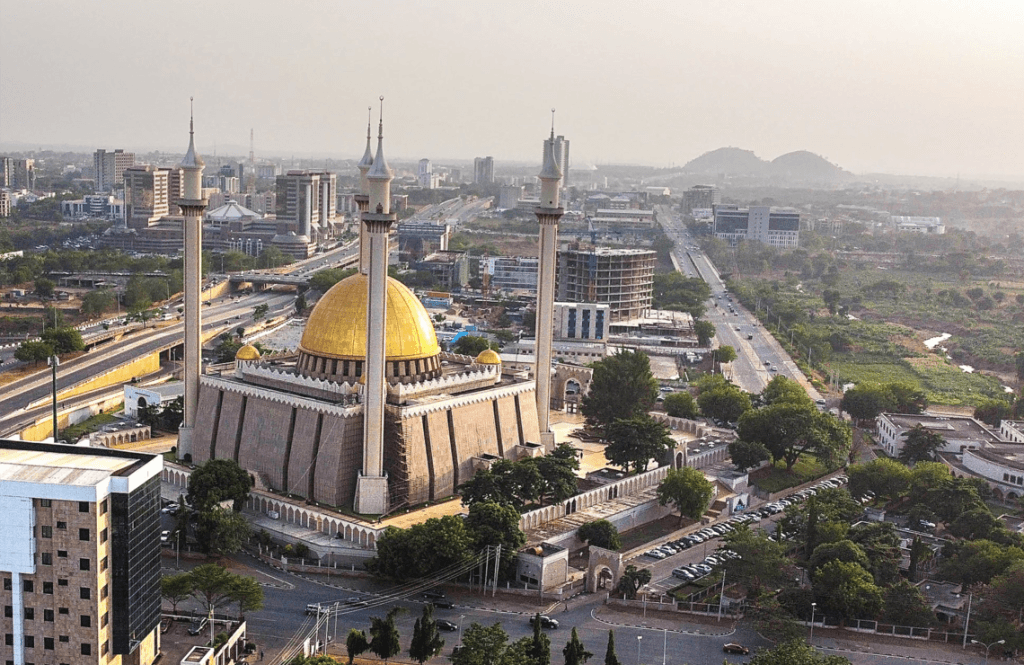
Lokogoma has firmly established itself as one of the most vital middle-class residential hubs within the Federal Capital Territory phase 3 expansion. For mid-level professionals, growing families, and civil servants seeking an alternative to the high rental premiums of Abuja inner districts, this sprawling suburban area represents a pragmatic compromise. It delivers modern estate living at a fraction of the cost found in Wuse or Garki, effectively absorbing the housing demands of a rapidly growing urban population.
However, moving here is far from a seamless transition into manicured suburban bliss. The rapid pace of private estate development has consistently outpaced the provision of municipal infrastructure, leading to a visible disparity between the inner comforts of gated compounds and the public roads serving them. Choosing Lokogoma means balancing the advantages of a spacious, affordable home against the realities of a demanding daily commute and patchy local council services.

This guide evaluates the district without real estate spin or sugarcoating. We look at the actual layout of the neighbourhood, the real cost of rent across its sub-zones, infrastructure deficits, and daily transit dynamics.
By unpacking both the structural challenges and the economic benefits, this analysis provides the essential data needed to decide if Lokogoma aligns with your lifestyle and budget.
What Is Lokogoma?
Lokogoma sits squarely within the Abuja Municipal Area Council, occupying a large expanse of land in the phase 3 development plan of the city. Geographically, it is positioned directly south of Abuja city centre, bordered by Galadimawa to the northwest, Gaduwa to the north, Apo-Dutse to the northeast, and Kabusa to the south. The northern boundary of the district is defined by Ring Road 2, locally known as the Lokogoma Expressway, which acts as the main structural artery connecting the area to the wider metropolitan road network.
The district is not a single uniform entity; it is a vast patchwork of independent residential developments divided into distinct estate zones and communal axes. The layout is heavily anchored by massive private housing schemes that have essentially carved the territory into autonomous pockets of housing blocks. These developments stretch from the primary entry points along the expressway deep into the interior boundaries, meeting Kabusa and Wumba.

Within the context of the FCT transport network, Lokogoma functions primarily as a residential feeder zone. Its position alongside Ring Road 2 enables transit toward Gwarinpa and Jabi to the northwest, while providing alternative connections toward the Airport Road via the Galadimawa roundabout. This makes it a strategic node for residents who require regional access across the outer rings of the city, even as its internal road networks struggle to process local traffic volumes.
The Neighbourhood Feel
The character of Lokogoma is defined by a state of permanent transition, blending long-settled estate enclaves with areas of active, dusty construction. Unlike the highly regulated environments of Maitama or Asokoro, the aesthetic here varies block by block. Inside the established gates of the earliest built estates, the ambience is orderly and distinctly suburban, featuring paved internal streets, manicured frontages, and a quiet domestic routine. Step outside these estate gates, however, and the atmosphere shifts immediately to an unfinished urban frontier where grading equipment, unpaved connector paths, and informal roadside trading stalls are common features.
The resident demographic is overwhelmingly composed of upwardly mobile Nigerian professionals, mid-tier federal civil servants, corporate bank workers, and young families. It is a neighbourhood populated by people who value spatial economy, where children ride bicycles inside secured estate loops, and neighbours interact through community landlord associations. The daytime atmosphere within the residential zones is generally quiet, as the majority of the working population leaves early for offices in the central business district.

To understand Lokogoma, it is best contrasted with Lugbe, another major phase 3 residential hub located further west along the Airport Road. While Lugbe has a more commercial, high-density, and slightly chaotic urban texture driven by its open street layouts and informal settlements, Lokogoma retains a more organised, middle-class identity due to its heavy reliance on the gated estate model. It lacks the administrative polish of a district like Wuye, but it offers a significantly more secure and cohesive community structure than the unstructured suburban fringes of Kabusa or Apo mechanic village.
Key Streets, Zones, and Estates
Efab Estate is the largest and most recognisable residential anchor within the Lokogoma district, spanning dozens of hectares and containing over 800 housing units. The estate is characterised by its wide, tarred main avenues and a mix of three-bedroom bungalows and detached five-bedroom duplexes. It is a fully mature development with its own internal commercial ecosystem, attracting large families who require expansive compound spaces. Its price positioning is mid-to-high for the district, reflecting its established security apparatus and complete internal infrastructure.
Sunnyvale Estate stands out as another premier residential zone within the area, highly regarded for its structured layout and reliable facility management. The architectural profile here consists largely of semi-detached bungalows and townhouses, neatly organised into close-knit blocks. Sunnyvale maintains a tranquil, quiet ambience that appeals particularly to retirees and young corporate couples who favour order over commercial noise. It sits at a premium price point within the local market due to its consistent maintenance of common areas and strict access control.
Sun City Estate is positioned closer to the northern edges of the district, offering highly convenient access to the Lokogoma Expressway. This zone features upscale housing finishes, with modern terraced homes and detached villas housing senior corporate professionals and private business owners. The estate is well-regarded for its functional drainage lines and underground cabling, commands some of the highest rental values in Lokogoma, and provides an environment that closely mirrors the lifestyle of Phase 2 districts like Gaduwa.
Saraha Estate represents the quieter, more moderately priced tier of the local estate market, catering to middle-tier professionals and growing families. The housing stock is a blend of finished detached properties and ongoing interior customisations, giving it a more varied aesthetic. Security is managed independently at the gates with strict visitor logging, and the estate provides a functional, unpretentious living environment. It is a practical option for tenants prioritising security and space over high-end architectural aesthetics.
Basic Estate and individual pockets along Wumba Road form the more affordable, high-density options within the Lokogoma geography. These axes feature smaller apartment blocks, including one-bedroom mini-flats and detached two-bedroom units that cater to single professionals and young couples starting out. While these enclaves offer excellent rental entry points, their connector roads to the main expressway are often unpaved, making them more difficult to navigate during the peak periods of the wet season.

Rent Prices in Lokogoma
Rental values in Lokogoma are shaped by the specific estate a property sits in, its proximity to the main expressway, and the level of service charge attached to the building.
For a standard 1-bedroom apartment or mini-flat, annual rent falls within the range of ₦1,200,000 to ₦2,000,000. Units at the lower end of this bracket are typically found in the newer developments along Wumba Road or in older, unserviced blocks, while premium 1-bedroom apartments with high-end finishes inside top-tier estates like Sun City command the higher end of the spectrum.
A typical 2-bedroom apartment attracts an annual rent between ₦2,000,000 and ₦3,500,000. These properties are highly sought after by young families, with prices hovering around ₦2,500,000 in centrally located, moderately serviced enclaves like Saraha Estate.
Moving up to a 3-bedroom property, which commonly takes the form of a semi-detached bungalow or a terrace house within estates like Sunnyvale or Efab, rent ranges from ₦3,500,000 to ₦5,500,000 per annum.
When compared to the broader real estate market, Lokogoma provides clear financial relief. An equivalent 3-bedroom terrace house in an inner Phase 2 district like Garki 2 or Wuye easily commands between ₦6,000,000 and ₦8,000,000, showing the steep discount Lokogoma offers. Conversely, moving further out to a truly peripheral settlement like Lugbe or Kubwa drops the rent of a 3-bedroom flat down to a range of ₦1,500,000 to ₦2,500,000, but at the cost of a significantly longer, less secure commute into the city centre.

Payment terms across Lokogoma remain strictly anchored to the traditional Nigerian model of a full annual lump sum payment in advance. In addition to the base rent, tenants must budget for a distinct legal fee, an agency commission fee, and a refundable caution deposit, which collectively add an extra 20% to 30% to the initial move-in cost. Serviced estates also levy a mandatory annual service charge ranging from ₦250,000 to ₦600,000 to cover shared security, waste collection, and common area lighting.
For current verified listings with real-time pricing and availability, browse apartments in Lokogoma on Expert Listing
Flooding: What You Need to Know
Flooding is a critical environmental consideration for anyone planning a move to Lokogoma. The primary driver of this seasonal vulnerability is the presence of the Kabusa and Wumba rivers, whose natural floodplains cut directly through the heart of the district. During the rapid construction boom of the past decades, several private developers built housing rows and perimeter walls that directly encroached upon these natural water courses, significantly narrowing the channels and creating severe bottlenecks for seasonal surface runoff.
The risk is highly concentrated around the low-lying entrances and specific interior blocks of Efab Estate, where seasonal downpours have historically caused rivers to overflow their banks, inundating streets and ground-floor properties.

The lower sections near the intersection of the local drainage channels are particularly susceptible, turning standard roads into fast-flowing water streams during heavy rains. Conversely, estates built on higher elevations or those with more modern, unconstricted drainage infrastructure, such as Sun City and Sunnyvale, experience minimal water accumulation and remain safe.
Abuja experiences two primary rainfall windows that intensify these drainage issues: the long rainy season from April to July and the late peak season from September to October. During these months, a heavy morning downpour can cause rapid water accumulation at major estate choke points within minutes.
Prospective tenants must inspect properties during these months, observing the height of local gutters and looking for telltale watermarks on external walls to gauge the true risk level of a specific property.
Expert Listing maps flood-risk signals at the individual listing level so you’re working with precise data, not general impressions.
Safety and Security
On a district-wide level, Lokogoma offers a secure living environment that measures up very well against Abuja mainland residential standards. The area does not experience the high rates of violent property crime seen in unmapped peripheral settlements, largely because its residential layout is heavily institutionalised around private gated estates. The primary security framework relies on a multi-layered access system where each estate acts as an independent security cell.
Within these gated estates, security protocols are strict, featuring manned guard posts, mandatory visitor registration, vehicle tracking tags, and private night patrols along internal streets. This setup makes opportunistic break-ins rare within communities like Sunnyvale or Sun City. However, the open, unpaved connector roads that link the various estates to one another present a slightly different security profile, as these poorly lit corridors can experience isolated incidents of phone snatching or vehicle vandalism during the late-night hours.
Standard urban precautions are advisable when moving through the district after dark. While walking inside your specific estate loop is perfectly safe at midnight, commuting via public transit or motorbikes along the unlit borders of the neighbourhood past 10:00 PM requires heightened awareness.
Residents generally maintain a cooperative security posture, using active WhatsApp neighbourhood groups to quickly share real-time security updates across the district.
Commute and Getting Around
Commuting from Lokogoma to Abuja’s core business districts requires careful scheduling to avoid the severe traffic bottlenecks that form at key choke points during rush hour.
To reach the Central Business District (CBD), residents travel via the Lokogoma Expressway onto the Galadimawa roundabout and up through the multi-lane Games Village axis. During the morning peak window of 7:00 AM to 8:30 AM, this journey takes 35 to 50 minutes due to heavy merges at the roundabouts. Outside of peak hours, the same drive is completed in a smooth 15 to 20 minutes over entirely tarred roads.
Transit to the primary Phase 2 commercial and administrative hubs of Wuse 2, Maitama, and Asokoro follows a similar pattern. The standard route utilises the Lokogoma Expressway to connect with the Ahmadu Bello Way or the Outer Southern Expressway (OSEX) corridors. During the evening rush hour from 5:00 PM to 7:00 PM, return journeys can stretch to 45 or 65 minutes as traffic slows down at the primary exit lanes leaving the city core.

Internal transit within the borders of Lokogoma relies on a structured mix of commercial transport options. While the iconic Lagos-style danfo buses do not operate within these residential estates, movement along the major internal streets is served by tricycle networks (keke) and registered estate shuttle vehicles that ferry commuters from the estate gates to the main road terminals. Ride-hailing services like Uber and Bolt maintain a heavy presence in the area, with average pickup wait times ranging from 5 to 10 minutes near the major estate hubs.
Schools
The educational infrastructure serving Lokogoma is highly developed, making it one of the premier destinations for middle-class families who want quality schooling within a short drive of their front door.
- Start-Rite International School — A premium educational institution featuring a rich blend of British and Nigerian curricula, with a strong emphasis on technology and creative learning facilities.
- Benford International School — Situated within close proximity to the district, this campus offers early years, primary, and secondary education focused on leadership development.
- Premier International School — A well-established school offering robust academic foundations and excellent extracurricular programs for primary and secondary students.
- Regent Secondary School — Located a short drive away toward the inner districts, this elite school serves as a primary choice for Lokogoma parents seeking world-class international certifications.

This dense concentration of quality primary and secondary academic options allows parents to avoid sending their children on long, exhausting bus rides into the city centre every morning, keeping family life focused right within the immediate neighbourhood.
Healthcare
Medical care in and around the Lokogoma district is anchored by a mix of specialised private clinics and expansive public referral centres that ensure residents have rapid access to emergency and routine treatments.
The Cardiac Clinic, located directly within the Lokogoma axis, operates as a modern, multi-speciality facility that provides 24/7 accident and emergency care alongside advanced cardiac diagnostic laboratory services, ICU monitoring, and general surgical interventions. For comprehensive tertiary and public specialised care, residents rely on the Garki Hospital Abuja and the Federal Medical Centre Abuja, both situated within an accessible 15 to 20 minute driving radius.

These institutions feature fully staffed obstetrics and gynaecology departments, pediatric units, and advanced fertility centres. Having these facilities close by provides a reassuring safety net for young families and elderly residents, ensuring that critical medical emergencies can be handled effectively without the need to travel deep into the inner city.
Lifestyle, Food, and Retail
The retail landscape of Lokogoma is highly practical and decentralised, moving away from luxury boutiques in favour of massive daily fulfilment hubs. The neighbourhood commercial scene is anchored by the prominent Prince Ebeano Supermarket, a sprawling multi-department retailer that supplies everything from fresh produce and local foodstuffs to imported household goods and electronics.
Alongside this anchor, the main avenues are lined with multiple shopping plazas, pharmacies, and speciality bakeries that ensure residents can complete their weekly shopping runs entirely within the district, eliminating the need to travel to the city centre for basic consumer goods.

Dining in Lokogoma is a casual, accessible experience characterised by local fast-food outlets, neighbourhood bars, and cosy outdoor spot joints. The area does not compete with the fine-dining scene or gourmet restaurants of Wuse 2 or Maitama, but it offers an authentic, unpretentious food culture. Popular spots serve freshly prepared Nigerian dishes, grilled fish, and local delicacies in relaxed outdoor settings that fill up with working professionals who unwind after office hours.
When residents want a classic mall experience, they make a short 15-minute drive to the Novare Gateway Mall located on Airport Road. This major modern retail complex features a primary Shoprite supermarket, international fashion stores, a multi-screen cinema, and a variety of family entertainment spaces. Within Lokogoma itself, community recreation centers around family-oriented outdoor green zones like S-Base Park, which provide functional spaces for weekend physical fitness, children’s outdoor games, and small community gatherings.

Utilities: Power and Water
The electrical supply in Lokogoma is managed by the Abuja Electricity Distribution Company (AEDC), and its reliability varies considerably depending on your specific estate’s infrastructure setup. Some premium estates operate on dedicated commercial feeders or enjoy premium grid prioritisation, receiving 14 to 18 hours of daily power. In contrast, the unserviced streets and newer extensions have more erratic grid patterns that follow the standard municipal load-shedding schedules.
To manage these fluctuations, standard housing units across Lokogoma rely heavily on personal backup generators or modern solar inverter systems. In high-end serviced estates, individual generators are prohibited in favour of massive central soundproof generators managed by the estate authority, which automatically kick in during grid outages. Prospective tenants must inspect the exact backup power schedules of their chosen estate, as some enforce a strict generator runtime limit to manage communal diesel expenses.
Water provision throughout the district is almost exclusively subterranean, relying on private or estate-wide industrialised borehole systems equipped with integrated water treatment plants. The public municipal water grid from the FCT water board does not yet serve the interior sectors of Lokogoma. Because of this layout, it is essential to ask for a full breakdown of the monthly estate service charges and generator levies before signing a lease, as these ongoing utility fees can add a high recurring cost to your base rent.
Who Lokogoma Is Best For
- Mid-level civil servants and corporate professionals. People working in the Central Business District who want a spacious, modern home but cannot justify the high rental costs of inner-city zones find the perfect balance here.
- Young, growing families. Parents who want a secure, gated environment where their kids can safely play outdoors while attending top-tier schools like Start-Rite right down the street.
- Retirees and older couples. Individuals looking for a quiet, slow-paced suburban lifestyle inside managed estates like Sunnyvale, away from the commercial noise of Abuja central zones.
- First-time renters and single professionals. Young adults who can take advantage of the more affordable 1-bedroom apartments along the developing extensions while remaining connected to the city via Ring Road 2.
What to Watch Out For
- Seasonal flooding at estate choke points. Lower sections and specific entry points of Efab Estate experience recurring water blockage issues during the peak rainy months of June and September.
- Traffic congestion at key roundabouts. The morning commute through the Galadimawa roundabout can turn into a standstill, requiring you to leave early to get to the office on time.
- Variable quality of connector roads. The public roads linking different estates to the main expressway are often unpaved, turning muddy during the wet season and very dusty in the dry season.
- High secondary estate service charges. The annual levies for central generator diesel, security guards, and waste disposal can catch unprepared tenants off guard if not factored into the initial budget.
- Total dependence on borehole water. The absence of a central municipal water supply means tenants must personally verify the presence and quality of a property’s filtration system.
Ready to Find Your Apartment in Lokogoma?
Every listing on Expert Listing is checked before going live. Location is mapped precisely against flood-risk data. Listings are removed the moment they’re rented or sold. No ghost listings, no wasted trips.
Browse verified apartments for rent in Lokogoma on Expert Listing
Frequently Asked Questions
What is Lokogoma known for?
Lokogoma is widely recognised as one of Abuja’s most prominent middle-class residential districts, famous for its massive concentration of secure, gated housing estates. It is known for offering a practical, family-oriented suburban lifestyle that balances spacious apartment layouts with affordable rental prices. It is particularly popular among civil servants, corporate professionals, and young families who want an organised community feel without paying the premium housing rates of Abuja’s inner Phase 1 and Phase 2 urban districts.
How much is rent in Lokogoma in 2026?
In 2026, rent for a standard 1-bedroom apartment in Lokogoma ranges from ₦1,200,000 to ₦2,000,000 per annum, depending on the age and finishing of the building. A typical 2-bedroom flat costs between ₦2,000,000 and ₦3,500,000, while larger 3-bedroom terrace houses or detached bungalows within premium serviced estates command between ₦3,500,000 and ₦5,500,000. These base prices do not include estate service charges, which add an extra annual fee for shared utilities and security
.
Is Lokogoma safe to live in?
Yes, Lokogoma is considered a very safe neighbourhood within the context of the Abuja mainland residential market. The primary reason for this high safety profile is the gated estate model, which ensures that the majority of homes enjoy 24-hour manned security gates, mobile patrols, and strict visitor verification tracking. While standard urban awareness is required when driving along the poorly lit connector roads late at night, the interior residential streets remain peaceful and secure.
Does Lokogoma experience flooding?
Certain low-lying sectors of Lokogoma, particularly around the natural channels of the Kabusa and Wumba rivers, experience localised seasonal flash flooding during heavy downpours. The entry points and lower blocks of Efab Estate have historically faced drainage challenges during the peak rainy seasons of April to July and September to October due to historic waterway encroachment. However, estates situated on higher ground, such as Sun City and Sunnyvale, have modern drainage systems and remain completely unaffected.
How is the power supply in Lokogoma?
The electricity supply in Lokogoma is handled by AEDC and varies significantly based on the specific estate you reside in. Premium serviced estates often sit on dedicated lines or utilise shared commercial backup generators, ensuring residents have access to near-constant power throughout the day. In contrast, unserviced streets and newer residential extensions experience standard municipal grid rotations, making a personal generator or a solar inverter setup an essential requirement for comfortable living.