Utako, Abuja: Area Guide
Expert Listing
·
·
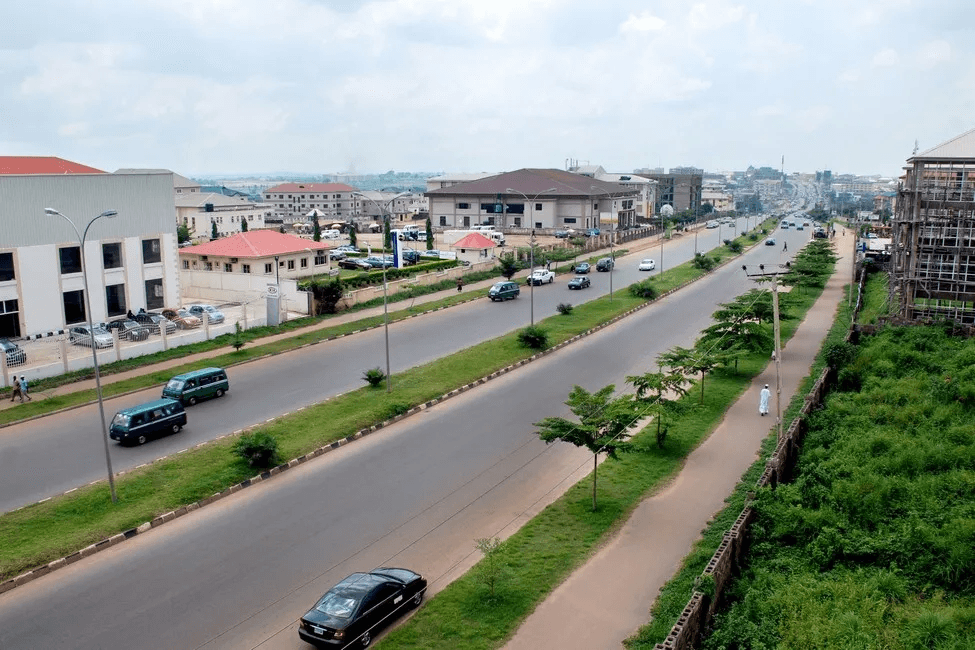
Choosing a residential neighbourhood in the Federal Capital Territory requires balancing proximity to work against the realities of urban density and market costs. Utako District positions itself as a uniquely functional intermediate ground within Abuja Phase 2, sitting directly on the boundary where the high-intensity commercial environment of the inner city transitions into quieter residential zones. For young professionals, corporate executives, and growing families, the area represents a strategic trade-off.

It provides immediate, lower-friction geographic access to the central business districts than outer rings like Gwarinpa or Lugbe, yet it preserves a more accessible price point than neighbouring Wuse 2 or Maitama.
The primary renter profile in Utako consists of mid-level to senior corporate professionals, legal practitioners, civil servants, and business owners who value short daily commute times above suburban isolation.
Renting an apartment here means prioritising productivity and connectivity. The neighbourhood serves as a vital logistics and commercial nerve centre, which means residents must accept a higher baseline of daytime activity, traffic congestion around major transport corridors, and a less uniform residential character than what is found in purely domestic estates.
Living in Utako requires an honest assessment of its dual nature. While inner residential streets offer surprising pockets of calm and highly secure modern apartment blocks, the neighbourhood boundaries are consistently busy. The proximity to major commercial hubs brings a distinct urban energy, daytime parking constraints, and pockets of informal trading that contrast sharply with the manicured isolation of Abuja’s high-end phases.
This comprehensive guide evaluates Utako with strict editorial objectivity, outlining its geographic structure, real-time market rent dynamics, infrastructural performance, and everyday living conditions to support your property decision.
What Is Utako?
Utako sits within the Abuja Municipal Area Council, which is the foundational Local Government Area governing the capital’s central urban core. Geographically, it is located in Phase 2 of the Abuja Master Plan, positioned directly west of Wuse 2, north of Wuye, and east of Jabi. This central placement makes it an essential anchor in the capital’s inner-ring road network. The district is bounded by major arterial roadways, including the Herbert Macaulay Way, the Nnamdi Azikiwe Expressway, and Shehu Shagari Way, which collectively dictate the flow of cross-city traffic.
The district is structurally divided into Phase 1 and Phase 2 axes, though local residents and real estate professionals more commonly differentiate the neighbourhood by its specific functional corridors. The most prominent of these is the transport and commercial axis running along Ekukinam Street and intersecting with Bimbo Akintola Street.
This specific zone acts as the main interstate transit hub for the entire Federal Capital Territory, housing major long-distance coach terminals and logistics companies. Conversely, the more secluded sections bordering Wuye and the residential edges of Jabi are predominantly built out with low-to-medium-density residential developments, creating distinct micro-climates of living conditions within the same overall district boundaries.
The Neighbourhood Feel
Utako exhibits a fully settled urban character, with very few remaining undeveloped greenfield plots of land. The architecture is a mixture of established multi-family apartment blocks, corporate office structures, and newer, privately developed gated mini-estates. This blend of real estate creates a diverse demographic profile. On any given weekday, the neighbourhood accommodates a fluid population of corporate employees commuting into local offices, long-distance travellers passing through the transit hubs, and permanent residents who occupy the interior blocks.
The day-to-day ambience shifts dramatically depending on your exact distance from the commercial corridors. Along the main thoroughfares, the environment is intensely urban, high-density, and marked by a steady ambient hum of traffic, trade, and commercial activity. However, stepping two blocks inward into the residential streets reveals a completely different, quieter atmosphere where tree-lined lanes and gated perimeters isolate residents from the surrounding city.

Compared to Wuse 2, which has evolved into a high-density entertainment and retail zone dominated by nightlife and premium boutiques, Utako feels more utilitarian and business-focused. Compared to a suburban district like Gwarinpa, Utako lacks the sprawling, self-contained market-town feel but offers a vastly superior, tighter commute into the city centre.
Key Streets, Zones, and Estates
The residential premium in Utako is highly dependent on isolation from the interstate transit infrastructure. The quietest and most sought-after properties are located in the southern and eastern residential pockets of the district. Streets such as Wenike Briggs Street and the residential enclaves adjacent to the Julius Berger headquarters house premium apartment complexes, including well-regarded developments like Casa Florentina.
These areas feature modern architectural designs, dedicated security outposts, and underground or structured parking, making them highly attractive to corporate expatriates and upper-middle-class professionals.
The central corridor along Ekukinam Street represents the commercial and logistics spine of Utako. This area is characterised by high-rise commercial properties, corporate headquarters, and mixed-use buildings. While it is an inconvenient place for a quiet domestic lifestyle due to regular vehicular traffic and pedestrian congestion, the immediate offshoot streets contain older, more spacious three-bedroom and four-bedroom townhouses that offer substantial square footage at a lower cost per square meter than newer estates.

The boundary zones facing Jabi and Wuye form a transitional sub-zone. Here, the housing stock shifts toward contemporary terrace houses and serviced multi-family blocks. These pockets are highly favoured by young families and corporate couples because they provide a clean separation from the transport parks while retaining direct access to the social amenities, shopping facilities, and lifestyle infrastructure of the neighbouring Jabi District.
Rent Prices in Utako
Rental rates in Utako reflect its Phase 2 status and exceptional proximity to the Central Business District, placing it above outer suburban zones but consistently below the premium thresholds of Wuse 2 or Maitama. The market contains a mix of older unserviced properties and brand-new, fully serviced apartment blocks, which accounts for the wide pricing bands across the district.
| Apartment Type | Average Annual Rent Range (Utako) |
| 1-Bedroom (Mini-Flat / Studio) | ₦2,000,000 – ₦5,000,000 |
| 2-Bedroom Apartment | ₦4,000,000 – ₦8,000,000 |
| 3-Bedroom Apartment / Terrace | ₦7,500,000 – ₦14,000,000 |
Pricing variations are driven primarily by service configurations. A standard, unserviced two-bedroom flat in an older building along the central corridors commands close to ₦4,000,000, while a highly finished, serviced alternative in a secured enclave like Wenike Briggs Street easily commands ₦8,000,000 or more per annum.
To put this in context with comparable real estate markets, an upscale two-bedroom serviced apartment in an elite core area like Maitama or Wuse 2 routinely costs between ₦12,000,000 and ₦18,000,000. Conversely, a similar apartment in a more affordable Phase 3 neighbourhood like Kubwa or Lokogoma ranges from ₦1,500,000 to ₦3,000,000. Landlords in Utako strictly demand an annual lump-sum payment upfront, with typical legal and agency fees adding an additional 10% to 20% to the initial transaction cost, though some newer corporate-managed blocks are beginning to introduce structured bi-annual payment terms.

Flooding: What You Need to Know
The overall topography of Utako is generally stable, but the district experiences localised flash flooding during the intense peak periods of the Abuja rainy season, which runs from April to July and resumes from September to October. The primary cause of street-level waterlogging is not natural rivers overflowing, but rather the heavy strain placed on the municipal drainage network by rapid commercial development and the occasional blockage of stormwater channels by refuse along high-density commercial streets.
The specific areas most vulnerable to localised flash flooding are the low-lying segments of the roads surrounding the old Utako Motor Park and parts of Bimbo Akintola Street. During torrential downpours, water can pool quickly on these surfaces, causing temporary traffic disruptions that last for a few hours after the rain stops.
The residential enclaves situated on higher elevation gradients, particularly those tucked deep into the Phase 1 blocks and the modern developments bordering Wuye, remain completely dry and drain efficiently due to better-maintained, dedicated internal estate drainage systems.
Expert Listing maps flood-risk signals at the individual listing level so you’re working with precise data, not general impressions.
Safety and Security
Utako maintains a stable safety profile that aligns with the secure standards expected of Abuja’s inner-ring Phase 2 districts. Because it houses major corporate entities, transport terminals, and government presence, the neighbourhood benefits from regular security patrols and a very active law enforcement footprint. The high level of daytime commercial activity means that the streets are well-travelled and brightly lit along major routes, minimising the isolated blind spots common in newer, developing outer suburbs.
The security configuration changes significantly as you move from public streets into private residential areas. Individual residential blocks and mini-estates employ private security firms, maintain strict gate-access controls, and utilise closed-circuit television tracking along their perimeters.
The open commercial streets experience standard urban risks, such as occasional petty opportunistic crime or vehicle accessories theft in poorly lit, unmonitored parking areas at night. Standard urban precautions, such as avoiding unlit footpaths late at night and parking within verified, secured commercial or residential boundaries, are sufficient to ensure a safe experience.
Commute and Getting Around
The principal logistical advantage of living in Utako is the short commute times to Abuja’s main employment and administrative centres, allowing residents to bypass the major bottlenecks that affect outer-ring commuters.
- To Wuse 2, Maitama, and Asokoro: Commuting to Wuse 2 takes 5 to 10 minutes via Herbert Macaulay Way under normal conditions. Reaching Maitama or Asokoro requires 10 to 20 minutes off-peak, stretching to 25 to 35 minutes during peak morning intervals (7:30 AM – 9:00 AM) due to bottlenecks around the Berger flyover and intersection points.
- To the Central Business District (CBD): Access to the CBD is direct via the Nnamdi Azikiwe Expressway or Constitution Avenue, taking approximately 10 to 15 minutes outside of rush hour and up to 20 minutes when civil service traffic peaks.
- To Major Outer Hubs: Travelling out toward Gwarinpa or down the airport road corridor is highly efficient via the expressway, taking 15 to 25 minutes depending on the destination.
- Internal Transport: Moving within Utako is highly flexible. The district is fully mapped by ride-hailing applications like Uber and Bolt, which provide short wait times due to the high density of drivers in the area.

For local transit, green municipal taxis and regulated intra-district buses operate along the main roads, though internal commercial restrictions mean that kekes (tricycles) and okadas (motorcycles) are prohibited from accessing the premier residential streets.
Schools
The educational infrastructure inside Utako and its immediate borders is highly developed, making the area exceptionally convenient for households that want to avoid long school bus commutes for their children. Notable options include:
- International Community School — A well-established international institution offering a complete American curriculum from early years through high school graduation, highly favoured by expatriate and diplomatic families.
- BlossomHall School Utako — A private institution offering a blended British and Nigerian curriculum with a focus on early years and primary foundation learning in a secure environment.
This concentration of established educational choices ensures that families can secure international-standard schooling within a 5-to-10-minute drive from their front door, reducing morning stress significantly.

Healthcare
Medical infrastructure in Utako is robust, featuring some of the most technologically advanced private hospitals in the entire Federal Capital Territory. Residents have immediate access to both routine medical consultations and specialised emergency interventions without needing to travel outside the district.
The most prominent healthcare facility in the immediate area is Nizamiye Hospital, a premium, multi-speciality medical facility known for its advanced diagnostic imaging, full-scale surgical theatres, intensive care units, and comprehensive cardiology departments. For maternal, neonatal, and reproductive healthcare, the highly regarded Nisa Premier Hospital sits right on the border of the district, offering specialist gynaecological care, paediatrics, and emergency services. These institutions provide 24-hour trauma support, meaning medical help is always a short drive away.

Lifestyle, Food, and Retail
The retail landscape in Utako is highly practical and decentralised, relying on a network of neighbourhood supermarkets, specialised plazas, and everyday commercial outlets rather than one singular market centre. For grocery shopping and household items, residents use major neighbourhood stores like Spar and various independent retail plazas scattered along the primary corridors.
The nearby Utako Market provides a comprehensive traditional shopping option for fresh produce, wholesale goods, and local ingredients, though it requires navigating a very busy, high-density environment.
The dining scene is diverse but leans toward corporate lunch spots, casual continental eateries, and traditional Nigerian bush-bar setups that cater to the daytime business crowd. While it lacks the dense concentration of high-end fine dining, avant-garde cafes, and trendy aesthetic lounges found in Wuse 2, Utako offers high-quality, unpretentious food options that are considerably more affordable. The focus here is on straightforward dining quality rather than nightlife and social profiling.
For a full-scale mall experience, residents drive 5 to 10 minutes to the adjacent Jabi District to visit the Jabi Lake Mall.
This premium retail facility provides access to international fashion brands, a multi-screen cinema, game centres, and a lakeside boardwalk. Within Utako itself, recreational options include private fitness centres, such as the well-equipped gyms operating inside the major commercial hotels, and small neighbourhood parks that provide basic green spaces for morning jogs and outdoor exercise.

Utilities: Power and Water
The electrical infrastructure in Utako is managed by the Abuja Electricity Distribution Company (AEDC). Because the district contains significant commercial offices, government installations, and telecommunications infrastructure, it receives a relatively stable allocation of grid power compared to outer Abuja neighbourhoods, often averaging 14 to 18 hours of electricity per day.
Despite this decent baseline, the expectation for alternative power backup remains standard across the neighbourhood. Virtually all premium residential buildings and serviced estates operate large central generator systems or solar inverter installations to bridge any supply gaps. Water supply relies on a combination of municipal water connections and private industrial boreholes. The groundwater table in Utako is reliable, and when paired with standard treatment and filtration systems implemented by landlords, it provides a highly consistent and clean domestic water supply.
Before concluding any lease agreement in Utako, it is critical to request a comprehensive breakdown of the monthly service charges, generator maintenance levies, and diesel fueling formulas, as these utility costs can add an extra 20% to 35% to your base living expenses.

Who is Utako Is Best For
- Corporate Professionals Commuting into the CBD. The proximity to the city core allows employees to minimise travel times and avoid the heavy morning traffic jams coming from outer districts.
- Legal Practitioners and Consultants. With various judicial buildings, corporate offices, and administrative hubs nearby, professionals can move between offices and meetings efficiently.
- Families Seeking Proximity to Top Schools. Parents can base themselves near elite international schools, completely removing the need for exhausting hour-long school bus transits for their children.
- Frequent Inter-State Business Travellers. The proximity to major transport terminals makes weekly or monthly travel across the country incredibly easy to manage.
What to Watch Out For
- Daytime Traffic Congestion Near Transport Hubs. The areas surrounding major logistics centres experience regular delays and heavy vehicle movement during peak travel hours.
- High Service Charges in Premium Serviced Blocks. The peace of mind provided by 24-hour backup power and security in top estates comes with a significant ongoing financial premium.
- Limited Street Parking for Visitors. Due to high commercial density, residential buildings with small compounds often force guests to park on open streets with limited space.
- Localised Flash Flooding on Low-Lying Streets. Intensive downpours during the peak rainy months can temporarily submerge parts of specific commercial avenues for a few hours.
Ready to Find Your Apartment in Utako?
Every listing on Expert Listing is checked before going live. Location is mapped precisely against flood-risk data. Listings are removed the moment they’re rented or sold. No ghost listings, no wasted trips.
Browse verified apartments for rent in Utako on Expert Listing.
Frequently Asked Questions
What is Utako known for?
Utako is most widely recognised as the primary transportation, logistics, and transit hub of Abuja, housing the central terminals for major long-distance coach lines that connect the Federal Capital Territory to the rest of Nigeria. Beyond this logistics identity, it is known as a highly strategic, central mixed-use district that successfully bridges high-intensity corporate commercial activity with secured, mid-to-high-end residential living.
How much is rent in Utako in 2026?
In 2026, the cost of renting a one-bedroom mini-flat or studio apartment ranges from ₦2,000,000 to ₦5,000,000 per annum. Standard two-bedroom apartments command between ₦4,000,000 and ₦8,000,000, while spacious three-bedroom apartments and modern terrace houses sit within a pricing bracket of ₦7,500,000 to ₦14,000,000 annually. The final price depends heavily on whether the property is fully serviced with 24-hour generator power, dedicated security, and modern internal fittings.
Is Utako a safe place to live?
Yes, Utako is considered a safe and highly secure neighbourhood within Abuja’s inner city rings. The consistent presence of corporate offices, active commercial zones, and regular security patrols contributes to a stable environment with low rates of major crime. Residential security is further enhanced within individual properties through private security guards, perimeter fencing, and strict electronic or manned access gates.
How far is Utako from the Abuja Airport?
The trip from Utako to the Nnamdi Azikiwe International Airport takes approximately 30 to 40 minutes under normal traffic conditions. The route is highly direct, utilising the Nnamdi Azikiwe Expressway to link smoothly into the Airport Road corridor. This makes the neighbourhood highly convenient for frequent flyers and business executives who travel regularly.
Does Utako experience regular power outages?
Utako benefits from a relatively stable connection to the national grid compared to the outer suburbs of the Federal Capital Territory, often receiving 14 to 18 hours of power daily due to its central location and corporate importance. However, to counter unpredictable municipal grid failures, almost all modern serviced residential buildings and estates feature automated standby generators or inverter setups to ensure continuous power.