Dei-Dei, Abuja: Area Guide
Expert Listing
·
·
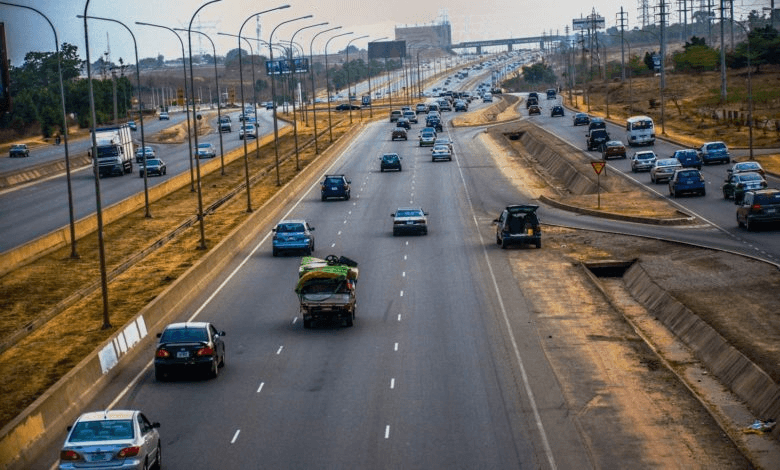
Dei-Dei occupies a distinct and unapologetically pragmatic position within the Federal Capital Territory housing market. Located on the outer fringes of Abuja, this sprawling district serves as a vital economic engine, primarily known for hosting some of the largest building materials and livestock markets in West Africa.
For the middle class and lower middle class working population, it presents a vital entry point into Abuja’s competitive property market, offering exceptionally low rental thresholds that are completely unattainable in the city centre.
The primary renter profile here consists of independent traders, civil servants, and young logistics professionals who prioritise direct, unhindered access to the Zuba-Abuja transport corridor. By choosing to live here, residents trade the manicured aesthetics and quiet residential protocols of Phase 1 districts for raw affordability and commercial proximity. It is a neighbourhood where your disposable income stretches significantly further, allowing families to secure expansive multi-bedroom apartments for the price of a cramped studio space in inner-city Abuja.
However, choosing Dei-Dei requires a clear view of its substantial daily trade-offs. The intense commercial activity that drives the local economy also creates a chaotic, high-density streetscape characterised by heavy vehicular traffic, noisy logistics hubs, and dust.

Infrastructure across the open streets remains uneven, meaning that residents frequently navigate unpaved secondary roads and inconsistent public utility distributions.
This guide balances these structural elements to provide an honest, data-driven analysis of what it truly means to live and commute from Dei-Dei.
What Is Dei-Dei?
Dei-Dei sits within the Abuja Municipal Area Council, though its geographical realities associate it closely with the borders of Bwari and Gwagwalada Area Councils. It is positioned along the critical Murtala Muhammed Expressway, which transforms into the popular Kubwa-Zuba Expressway.
This transport artery serves as the primary northern gateway into the heart of Abuja, anchoring Dei-Dei right between the dense transport hub of Zuba and the heavily populated residential satellite town of Kubwa.

Geographically, the district is distinctly split by the expressway into two core functional axes: the intense, high-traffic commercial zones housing the Dei-Dei International Building Materials Market and the livestock markets, and the expanding, low-density residential sectors rolling back toward Saburi and the Shagari Quarters.
Its position makes it a vital transit node, funnelling goods and commuting manpower daily from the outer northern rims straight into Abuja’s central commercial zones.
The Neighbourhood Feel
The internal character of Dei-Dei is defined by a sharp contrast between its highly settled, long-standing commercial core and the rapidly expanding, semi-urban residential fringes. The day-to-day ambience is busy and energetic, with a high-density footprint dominated by the movement of commercial trucks, traders, and artisans.

The main entry corridors stay busy from sunrise to dusk, creating an urban environment that feels more like a bustling commercial border town than a typical quiet Abuja suburb.
The typical resident profile is heavily weighted toward self-employed wholesalers, construction contractors, technical traders, and everyday civil servants who commute down the expressway.
This creates a deeply entrepreneurial community demographic. When contrasted with a nearby planned district like Kubwa, Dei-Dei lacks a uniform layout and contains fewer master-planned estates, resulting in a more rugged, self-built architectural landscape.
It trades the structured suburban quiet of areas like Gwarinpa or Lifecamp for an open, unpolished layout where residential properties often sit close to active commercial operations.
Key Streets, Zones, and Estates
The residential footprint of Dei-Dei branches out into several distinct zones, each presenting a completely different standard of living, infrastructure level, and pricing tier.
Shagari Quarters: The Shagari Quarters stand out as one of the oldest, most structured residential enclaves within the district. Originally established as a public housing initiative, this zone features older but highly resilient structural layouts, characterised by detached bungalows and blocks of flats with generous compound spaces. It offers a more orderly lifestyle away from the main markets, making it a preferred choice for retired civil servants and established families who require a quieter environment.
Saburi District: Saburi is a massive, rapidly expanding sub-zone that stretches deeply into the interior plains of Dei-Dei. It functions as a developing frontier dominated by newly constructed blocks of tenement structures, self-contained apartments, and modern mini-flats. Road infrastructure deep within Saburi remains largely unpaved and earth-based, creating a neighbourhood feel that varies between highly urbanised blocks and raw, developing territory suited for low-income earners.
Ebu Links Estate Axis: The pockets of private developments around the Ebu Links Estate axis represent the modern, premium tier of Dei-Dei’s residential market. This area features private perimeter walls, controlled access gates, and a higher concentration of contemporary two-bedroom and three-bedroom flat designs. It caters specifically to corporate workers and mid-level traders who want to stay in Dei-Dei for work but demand secure, predictable living conditions.
Rent Prices in Dei-Dei
Rental values in Dei-Dei are among the lowest in the Abuja Municipal Area Council, dictated entirely by the proximity of a street to the main expressway and the structural security of the building.
- 1-Bedroom Apartment (Self-Contained / Mini-Flat): ₦350,000 to ₦1,200,000 per annum. A basic room-and-parlour structure in developing parts of Saburi stays at the lower end, while a modern, tiled mini-flat with an official website footprint or modern finish in Ebu Links costs more.
- 2-Bedroom Flat: ₦1,400,000 to ₦2,500,000 per annum. Standard blocks of flats within Shagari Quarters average around ₦1,500,000, whereas premium, newly completed units with compound security command the higher tier.
- 3-Bedroom Apartment / Duplex: ₦2,500,000 to ₦4,000,000 per annum. These are usually detached bungalows or semi-detached duplex structures located in private residential clusters or the older, settled parts of the Shagari axis.
To put this in perspective, a standard 2-bedroom flat in Dei-Dei (₦1,800,000) costs roughly one-tenth of a similar-sized apartment in an elite central location like Wuse 2 or Maitama, where rents cross ₦15,000,000 to ₦20,000,000. It is also considerably cheaper than mid-tier locations like Gwarinpa, while remaining competitive with further outlying satellite zones like Mararaba on the Nasarawa border.

Payment terms are strictly traditional, requiring a full annual lump-sum payment upfront, alongside standard legal and agency fees averaging 10% to 20% of the rent.
For current verified listings with real-time pricing and availability, browse apartments in Dei-Dei on Expert Listing.
Flooding: What You Need to Know
Flooding in Dei-Dei is primarily driven by flash surface runoffs during Abuja’s peak rainy seasons, which run from April to July and again from September to October. The district’s rapid, organic expansion has vastly increased the area of impervious concrete surfaces without a matching upgrade to the drainage infrastructure.
The existing drainage channels along the secondary roads are often narrow and easily overwhelmed by sudden downpours, causing water to spill into the streets.
The specific zones most at risk are the low-lying plains of Saburi, particularly properties built near natural drainage paths and stream channels that feed into the local river systems. Street networks directly bordering the heavy commercial markets also experience temporary waterlogging due to blocked culverts and accumulated waste. In contrast, the older Shagari Quarters and properties situated on the elevated slopes moving toward Kubwa fare much better, as the terrain allows water to drain naturally away from residential foundations.
Expert Listing maps flood-risk signals at the individual listing level so you’re working with precise data, not general impressions.
Safety and Security
Dei-Dei presents a mixed safety profile that requires realistic management. Relative to central Abuja standards, the high concentration of commercial markets, transport parks, and transient labourers creates an environment prone to petty crime, pickpocketing, and localised street arguments during peak market hours. The open streets and commercial corridors require high situational awareness, especially after dark when retail activities close down.
Within the residential sub-zones, security configurations differ significantly. The structured estates and sections of Shagari Quarters utilise local vigilante groups, night watchmen, and gated entries to maintain a peaceful environment.
Conversely, the open, unmapped streets of Saburi rely on informal community networks and proximity to local police posts. The area is generally stable for long-term residents, but standard safety precautions dictate avoiding foot travel along dark market access roads late at night.
Commute and Getting Around
Commuting from Dei-Dei is heavily dependent on the traffic flow of the Kubwa-Zuba Expressway, which experiences severe congestion during peak morning hours as commuters head into the city.
- To Maitama, Asokoro, and Wuse 2: The distance is roughly 25 to 30 kilometres. During off-peak hours, a drive via the Kubwa Expressway takes about 30 to 40 minutes. However, during the morning peak window (6:30 AM to 8:30 AM), gridlocks at bottleneck points like the Gwarinpa and Katampe axes can stretch this travel time to 75 or 90 minutes.
- To Central Business District (CBD): Commuting down to the city secretariat or banking hubs follows a straight path down the expressway, taking roughly 35 minutes off-peak and up to 80 minutes when traffic builds up.
- To Major Satellite Hubs: Travelling northwest to Zuba takes a brief 10 to 15 minutes, while accessing neighbouring Kubwa requires less than 10 minutes, making it highly convenient for local retail shopping.
- Internal Transport: Movement within Dei-Dei relies on a dense network of shared tricycles (keke) and commercial motorcycles (okada) for secondary unpaved streets. Shared buses (danfo) run constantly along the main expressway corridors, providing cheap public transit into the city. App-based rides like Uber and Bolt are available, but drivers frequently decline trips deep into unpaved sectors of Saburi due to road conditions.

Schools
While Dei-Dei is primarily recognised for its commercial activities, the growing residential population has led to a steady expansion of private educational infrastructure to serve local families.
- JesCare International School – Located within the Saburi residential district, this institution provides early childhood, nursery, and primary education utilising modern facilities in a structured learning environment.
- Government Secondary School, Dei-Dei – A large public institution located along the school corridor, focusing on affordable secondary education for the wider community.
- Baptist High School, Kagini – Situated just on the border slice of the district, this school offers a dedicated boarding and day curriculum with a history of strong academic performance.
- Standard Divine Academy – A private primary and secondary facility catering to residents within the Shagari Quarters axis, emphasising close teacher-to-student attention.
This basic educational footprint allows middle-class families to educate their children locally, avoiding the stress and high cost of long daily school commutes into inner Abuja.

Healthcare
The healthcare setup in Dei-Dei consists of public primary health centres and private clinics capable of handling general diagnostics, maternity services, and emergency stabilisation.
For specialised care and complex medical treatments, residents typically travel a short distance into neighbouring districts. A notable facility in the wider area is Deda Hospital, situated a short drive away toward Katampe, which provides advanced, specialised care, comprehensive gynaecology, and fertility treatments.

Within Dei-Dei itself, the most significant public option is the Dei-Dei Comprehensive Health Centre, a government-run facility that manages the majority of routine medical care, immunisations, and outpatient services for the local population.
Private clinics like the Garki Hospital, outreach outposts and local family clinics also provide 24-hour emergency care directly along the main residential corridors.
Lifestyle, Food, and Retail
Retail life in Dei-Dei revolves completely around its famous markets. The neighbourhood lacks corporate shopping malls or high-end boutiques, replacing them with the raw utility of the Dei-Dei International Building Materials Market and local everyday street markets.
For household groceries, provisions, and hardware, residents don’t need to leave the district, as everything is available at wholesale prices.
The dining scene is deeply informal and dominated by local bukas, roadside spots, and fast-food eateries serving traditional Nigerian dishes.
There are no fine-dining establishments or international culinary spots here. When compared to the lifestyle scene in Gwarinpa, which features a wide variety of cafes and lounges, Dei-Dei’s food options are purely practical and focused on serving busy traders and workers.

The nearest major retail mall is the modern shopping complexes located in Kubwa and the larger retail hubs in Gwarinpa, both accessible within a 15 to 25-minute drive outside peak traffic. For community recreation, the options are minimal. The district has very few public parks or green spaces. Leisure time is generally centred around local viewing centres, community hotels, and neighbourhood bars, reflecting the energetic, commercial focus of the area.
Utilities: Power and Water
Power supply in Dei-Dei is managed by the Abuja Electricity Distribution Company (AEDC). The allocation of electricity is average for a peripheral Abuja district, with residents experiencing regular daily rotations and occasional system outages. Because it is an open residential district rather than a fully managed luxury estate, there are no central standby generators.
Individual households and business owners rely heavily on their own solar inverter setups or petrol generators to maintain power during outages.
Water infrastructure is almost entirely decentralised. The public utility water pipelines do not reliably serve the expanding residential zones like Saburi. As a result, the standard source of clean water is private boreholes drilled by landlords within each compound.
Water quality is generally good across the rocky terrain, but properties require storage tanks and pumping machines to ensure daily availability. It is highly recommended that potential renters confirm the status of the borehole and inquire about monthly electricity bills for pumping water before committing to a lease.
Who Is Dei-Dei Best For?
Independent traders and building material contractors. The close proximity to the international markets removes the cost of a long daily commute, allowing business owners to live right next to their source of income.
Young professionals seeking rock-bottom rental entries. For individuals starting their careers in Abuja on a tight budget, the cheap apartments here provide an affordable stepping stone without the high rental pressures of the city centre.
Civil servants are looking for spacious, budget-friendly accommodation. Families requiring multi-bedroom apartments can secure large houses within Shagari Quarters for a fraction of what smaller flats cost further down the expressway.
Logistics operators and transport managers. The direct access to the Kubwa-Zuba Expressway makes it an ideal base for managing distribution, transport vehicles, and supply lines moving into the capital city.
What to Watch Out For
Severe morning traffic bottlenecks. Commuters face long, daily delays along the Kubwa Expressway during the early morning rush hour, requiring early departures to reach city offices on time.
High noise and dust levels near commercial hubs. The continuous movement of heavy trucks, wholesale trading, and unpaved secondary roads creates a dusty, high-density environment that can impact residential peace.
Uneven drainage and flash flooding in lower Saburi. Certain lower-lying streets experience significant water pooling during peak rainy months, making a careful check of property elevations essential before renting.
Inconsistent public water and electricity infrastructure. The heavy reliance on personal boreholes and backup generators means residents face additional monthly costs for basic utility maintenance.
Ready to Find Your Apartment in Dei-Dei?
Every listing on Expert Listing is checked before going live. Location is mapped precisely against flood-risk data. Listings are removed the moment they’re rented or sold. No ghost listings, no wasted trips.
Browse verified apartments for rent in Dei-Dei on Expert Listing.
Frequently Asked Questions
What is Dei-Dei known for?
Dei-Dei is primarily famous for hosting the massive Dei-Dei International Building Materials Market, which serves as a major wholesale hub for construction materials across Abuja and northern Nigeria. It is also widely recognised for its extensive livestock, grain, and tomato markets that supply the capital city’s daily food needs. This intense commercial focus defines the economy, traffic patterns, and overall development of the entire district.
How much is rent in Dei-Dei in 2026?
In 2026, rent for a standard one-bedroom mini-flat ranges between ₦350,000 and ₦1,200,000 per annum, depending on the age of the building and road accessibility. Two-bedroom apartments generally cost between ₦1,400,000 and ₦2,500,000, while larger three-bedroom properties average from ₦2,500,000 upwards. These rates represent some of the most budget-friendly residential entry points within the wider Abuja metropolitan area.
Is Dei-Dei safe to live in?
Dei-Dei is generally stable for residential living, but its busy markets and transport hubs mean petty crimes like pickpocketing are common in crowded areas. Gated estates and settled zones like Shagari Quarters offer a much more secure and quieter environment than the open streets near the markets. Taking basic safety precautions, such as avoiding unlit commercial roads late at night, is highly recommended.
How is the traffic from Dei-Dei to central Abuja?
The commute into the city centre relies entirely on the Kubwa-Zuba Expressway, which experiences heavy congestion during the morning rush hour between 6:30 AM and 8:30 AM. A trip that normally takes 35 minutes during off-peak hours can easily stretch beyond an hour and a half during peak times. Commuters generally need to plan their morning departures early to avoid the bottleneck points closer to the city.
Does Dei-Dei have a good water supply?
The district lacks a consistent connection to the central public water grid, making residents dependent on private utility alternatives. Most landlords drill independent boreholes within their compounds to supply water to tenants. While this water is generally reliable, its availability relies on electricity or generators to run the pumping systems, which is typically covered by local service charges.