Epe, Lagos: Area Guide
Expert Listing
·
·
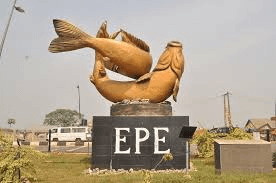
Epe is one of the few places in Lagos where you can still feel the transition between old Lagos and the future Lagos that is rapidly emerging. For decades, Epe was mostly known as a quiet fishing and farming town far removed from the fast pace of the island, but today, that perception is changing quickly.

What was once considered “too far” is now becoming one of the most talked-about growth area in Lagos State with massive infrastructure projects, new residential developments, industrial expansion, and increasing real estate investment. All of these have gradually repositioned Epe from a distant outskirts location into a serious long-term residential destination.
But despite that growth, Epe still feels different from central Lagos as life here moves slower, the roads feel less crowded, more open space, and less of the constant pressure that defines places like Lekki Phase 1 or Victoria Island.
If you are curious about what it takes to rent an apartment in Epe, you should read this article to the end as it covers necessary information like the neighbourhood experience, rent prices, safety and security, schools, hospitals. It also answers questions you may have about living in Epe.
What Is Epe?
Epe is in eastern Lagos State, along the Lekki–Epe Expressway. It stretches towards the border with Ogun State and it’s one of the largest local government areas in Lagos by land size. It also acts as a gateway between Lagos and other states in the southwest.
Its location is part of the wider Lekki development, however, it is less urbanised than areas like Ajah or Lekki Phase 1.
Historically known for its vibrant seafood trade and rich cultural heritage, Epe has recently transitioned into a prime real estate destination. The area is naturally divided into the traditional Epe township with its local markets, historical landmarks, and organic community and the sprawling new estate developments that are transforming the landscape into a modern suburban environment.
While much of Epe still retains its traditional character, modern housing structures are emerging, creating a blend of old and new.
The Neighbourhood Feel
Epe feels incredibly serene, carrying a settled, almost pastoral quality that distinguishes it from the hyper-commercialized zones of Lagos. The resident profile is currently a mix of indigenous locals, tertiary students, and an increasing wave of professionals and expatriates working in the nearby Free Trade Zone.

You will find large family compounds, massive new gated estates under construction, and a community that operates at a much more relaxed pace than the rest of the state.
The atmosphere in Epe is much calmer than in many other city areas with lighter traffic and less crowded streets. This slower pace is a major advantage.
Key Streets, Zones, and Estates
Epe is less defined by tight street networks and more by broader zones and emerging developments like:
Alaro City & The Free Zone Axis: A massive, mixed-use, master-planned city situated on the Lekki-Epe Expressway. It is the aspirational peak of modern Epe, featuring premium residential plots, commercial zones, and industrial hubs.

Isimi Lagos: Known as a “wellness and polo city,” this is a high-end, nature-focused luxury development in Epe that offers a resort lifestyle, forestry, and high-ticket real estate.
Epe Township (Uraka, Ayetoro, Poka): The older, established heart of Epe. It features local housing, vibrant markets, and everyday commercial activity.
Igbonla & Ilara: These areas are quieter and heavily populated by students, academic staff, and mid-range residential housing.
Lagoon Front Estate: A premium waterfront development opposite Alaro City that blends affordability with scenic nature views.
Itunu Residential (Itunu City): A highly popular, modern residential estate situated along the Aiyetoro road. It offers a seamless blend of commercial and residential spaces with a reputation for solid infrastructural promises, making it a favorite for middle-to-upper-class investors.
Michael Otedola Housing Estate: Located in the Odoragunshin area of Epe, this is a well-established, government-developed estate that offers more accessible housing and has been a residential anchor in the community for years.
Rent Prices in Epe
Epe is among the most affordable residential addresses in Lagos State, reflecting both its distance from central Lagos and its semi-urban character. The rent ranges below cover Epe Town and the immediate surrounding area.
| Property Type | Estimated Annual Rent | Typical Location / Style |
| Mini Flat / 1-Bedroom | ₦300,000 – ₦800,000 | Epe Town, Poka, Egiri, Odogbonle |
| 2-Bedroom Apartment | ₦600,000 – ₦1,200,000 | Mid-range local estates |
| 3-Bedroom Apartment/Bungalow | ₦1,200,000 – ₦2,500,000 | Newer gated developments & town periphery |
| 4-Bedroom Duplex/Villa | ₦4,000,000 – ₦10,000,000+ | Premium master-planned estates (Alaro City, Isimi) |
Additional costs such as agency and legal fees, usually 10 per cent each, still apply, though overall entry costs remain lower than in most parts of Lagos.
Flooding: What You Need to Know
Epe is widely celebrated as having excellent topography as it is predominantly elevated, dry land. While it sits near the Lekki Lagoon, it does not suffer from the chronic ocean-surge and drainage-backup flooding that plagues areas like Agungi or Victoria Island. The state government has also heavily invested in the road and drainage infrastructure here.
While minor water pooling can occur on unpaved inner community roads during the heaviest downpours of the rainy season, large-scale property flooding is rare. However, as with every Lagos address: flood-risk verification at the specific listing level is still essential.
Safety and Security
Epe is generally considered relatively safe compared to more densely populated parts of Lagos. The lower population density and slower pace of life contribute to reduced levels of certain types of crime.
However, as development increases and the population grows, security dynamics may evolve with some areas requiring additional precautions, particularly at night or in less populated zones. Overall, Epe offers a calmer and more predictable security environment than many urban centres.
Commute and Getting Around
The biggest challenge of living in Epe is distance. Travel to Lekki Phase 1 can take between 60 and 120 minutes, depending on traffic. Victoria Island and Ikoyi may take even longer, often exceeding two hours during peak periods.
The Lekki–Epe Expressway is the main access road. Ongoing expansion projects aim to improve traffic flow, but congestion is still an issue.
Public transport options are available but less frequent compared to central Lagos. As a result, private vehicles are often preferred.
For residents whose work is located within Epe or nearby areas, commuting is manageable. For those working further west, daily travel can be demanding.
Schools
Epe has a growing number of educational institutions, but the overall ecosystem is still developing. The area provides accessible schooling for basic education, particularly at the primary and secondary levels, but it does not yet offer the same range or consistency of high-end academic options found in Lekki or Ajah.
For many families, schooling in Epe comes down to a balance between proximity and quality.

Epe Grammar School
Epe Grammar School is one of the most well-known public secondary schools in the area, with a long-standing presence in the community. It serves a large portion of the local population and offers a traditional government school structure.
The school is accessible and widely recognised, but like many public institutions, it faces challenges related to infrastructure and resources. It remains a practical option for residents prioritising affordability and proximity.
Pobuna Secondary School
Pobuna Secondary School is another key public institution in Epe, serving students from the surrounding communities. It provides secondary education within a structured but basic environment.
Like Epe Grammar School, it plays an important role in making education accessible to residents. However, the level of facilities and extracurricular offerings is more limited than at private or urban schools.
Healthcare
Healthcare in Epe is functional but limited in scope. Facilities such as Epe General Hospital provide public healthcare services, while private clinics and maternity homes cater to routine medical needs.
For specialised or advanced medical care, residents often travel to Lekki, Ajah, or other parts of Lagos with more developed healthcare infrastructure. This gap reflects Epe’s current stage of development rather than a permanent limitation.
Lifestyle, Food, and Retail
Epe is not a lifestyle-driven location like Lekki or Ikeja GRA. It is practical, community-oriented, and rooted in everyday living rather than curated experiences. Life here moves at a slower pace, with a strong focus on accessibility, familiarity, and routine. You are not surrounded by options. You build your routine around what is available.
What Epe offers is simplicity. You can meet your daily needs, interact with a tight-knit community, and live with less congestion and higher costs. What it does not offer is a wide range of premium dining, nightlife, or modern retail experiences. For those residents who consistently travel outward toward Ajah, Sangotedo, or Lekki Phase 1.

Living in Epe means your lifestyle is shaped more by community and routine than by variety and choice.
Retail: Retail activity in Epe is centred on traditional markets, roadside commerce, and small neighbourhood shops that support daily living.
The most prominent retail hub is Epe Main Market (Oja Epe), the town’s commercial heart. It is a large and highly active market where residents can buy fresh produce, seafood, meat, clothing, and household goods. The market is particularly known for its fish trade, reflecting Epe’s history as a fishing community. It attracts traders from surrounding towns, making it one of the most important economic centres in the area.
Another key local hub is Mojoda Market, located along the Epe corridor. It is smaller than Oja Epe but serves nearby communities with fresh food items and everyday goods. It provides an alternative for residents who prefer less crowded market environments.
Along major roads such as the Lagos–Epe Expressway, clusters of mini-markets, pharmacies, and convenience stores provide easy access to essentials. These outlets ensure that residents rarely need to travel far for basic needs.
For structured retail experiences, residents typically drive toward Novare Lekki Mall (Shoprite, Sangotedo). This mall offers a supermarket, restaurants, and retail stores, making it the primary destination for bulk shopping and more organised retail.
Restaurants and Food: Food in Epe is deeply local and one of the most authentic aspects of living in the area. The town is widely known for its fresh fish and traditional cooking, which shapes its entire food culture.
The highlight is the Epe Fish Market, along with nearby food spots. Here, freshly caught fish is grilled and served right away. These locations are not just places to eat. They are part of Epe’s cultural identity. Residents and visitors come here for peppered and smoked fish. They also enjoy traditional sides in a relaxed, open-air setting.

Barracuda Beach Restaurant (Epe axis) is a well-organised spot by the waterfront. It serves grilled seafood and Nigerian dishes in a pleasant setting. It combines the local fishing culture with a more relaxed dining experience.
Epe Resort and Spa Restaurant provides a more refined alternative within the area. Located inside the resort, it offers Nigerian and continental meals in a quieter, more controlled setting. It is one of the few places in Epe that leans toward structured dining.
Many buka-style restaurants and roadside vendors in town offer staples like amala, eba, soups, rice dishes, and grilled meats. These spots are affordable, accessible, and form the backbone of everyday eating.
Residents usually head to Sangotedo, Ajah, or Lekki Phase 1 for fast food, international cuisine, or premium dining. The choices there are much more varied.
Malls: Epe currently has no major mall within its immediate environment. Retail infrastructure is still expanding, and major shopping centres haven’t opened in the area yet.
As a result, residents rely heavily on nearby locations. The most popular spot is Novare Lekki Mall (Shoprite, Sangotedo). It has everything: a supermarket, a cinema, restaurants, and fashion shops.
For more variety, residents can head to Lekki Phase 1. There, malls like Circle Mall (Jakande, Lekki) offer extra shopping and entertainment choices.
This reliance on external retail hubs is one of the defining lifestyle adjustments when living in Epe. It is not self-contained in terms of modern retail.
Lounges and Social Spots: Epe has a modest and mostly local nightlife scene that reflects its slower pace of life.
Epe Resort and Spa Lounge is a popular social spot. It provides a calm space for drinks, relaxation, and small gatherings. It is not high-energy, but it provides a more refined alternative to typical local bars.
Across the town, smaller bars and lounges operate within hotels and along major roads. These spots are typically low-key, community-driven, and focused on music, drinks, and sports viewing rather than premium nightlife experiences.
The atmosphere is relaxed and familiar. People know each other, and the environment feels more personal than commercial.
For a more vibrant nightlife experience, residents usually travel to Ajah or Lekki, where lounges, rooftop bars, and clubs offer more variety and energy.
Community and Recreation: Community life is one of Epe’s strongest defining features. Social interaction is a big part of daily life. Religious institutions, local gatherings, and cultural events are key to this.
Churches, mosques, and traditional festivals offer chances to connect. They strengthen a sense of identity and belonging. Epe feels different from urban areas. Here, interactions are more communal than transactional.
Recreation in Epe is largely informal but uniquely appealing. Waterfront spots by the lagoon offer natural spaces to relax, meet others, and reflect quietly. These spaces offer scenic views and a slower, more peaceful environment that is difficult to find in central Lagos.
Structured recreational facilities like parks, gyms, and leisure centres are limited. Most recreational activities happen informally, within communities or private spaces.
For residents who value space, calm, and community-driven living, Epe offers something distinct. For those who prefer structured entertainment and a wide range of options, it requires adjustment.
Utilities: Power and Water
Power: Power supply in Epe is inconsistent, similar to many parts of Lagos. Residents rely heavily on generators and alternative power solutions.
Water: Water is primarily sourced from boreholes, with limited reliance on public supply systems.
Service Charges: Service charges are generally low, particularly outside estate developments. Within emerging estates, charges may apply depending on infrastructure and services provided.
Who Epe Is Best For
Epe is perfect for individuals and families who prioritise space, affordability, and long-term potential over immediate convenience. It works well for people who do not need to commute daily to central Lagos or who are comfortable with extended travel times. It is also attractive to investors looking to benefit from future growth along the Lekki–Epe corridor.
What to Watch Out For
The main considerations in Epe include distance from commercial hubs, limited infrastructure, and slower access to services such as healthcare and education. Commuting can be time-consuming, and daily life may require more planning. Prospective residents should also be mindful of the area’s ongoing development stage. While growth is expected, it is not immediate.
Ready to Find Your Apartment in Epe?
Every listing on Expert Listing is checked before going live. Location is mapped precisely against flood-risk data. Listings are removed the moment they are rented or sold – no ghost listings, no wasted trips.
Browse verified apartments for rent in Epe on Expert Listing.
Frequently Asked Questions
Is Epe a good place to live in Lagos?
Epe can be a good place to live depending on your priorities and lifestyle. It offers a quieter environment, lower housing costs, and more space compared to central Lagos. However, it requires adjustment, particularly regarding commuting and access to amenities. For individuals who value calm and long-term potential, it is a strong option. For those who rely on daily access to central business districts, it may be less practical.
How much does it really cost to live in Epe beyond rent?
Living in Epe is generally more affordable than most parts of Lagos, but additional costs still apply. Tenants should account for agency and legal fees, typically 10 per cent each, as well as expenses related to power generation and water supply. Transportation costs may also increase if daily commuting to central Lagos is required. While the base cost of living is lower, these additional factors should be taken into account.
Does Epe flood frequently?
Flooding in Epe varies depending on location. Some low-lying areas are more prone to water accumulation during heavy rainfall, particularly in zones with less developed drainage systems. However, not all parts of Epe experience flooding. Newer developments often include improved drainage, reducing risk. As with other areas, flood risk should be assessed at the property level.
How bad is the commute from Epe?
The commute from Epe can be one of its biggest challenges. Travel times to Lekki, Victoria Island, or Ikoyi can be long, especially during peak hours. While road expansion projects are ongoing, distance remains a factor. Residents who work within Epe or nearby areas experience less strain, while those commuting to central Lagos need to plan accordingly.
Are there good schools and hospitals in Epe?
Epe has a range of schools and healthcare facilities that cover basic needs. Public schools and local private institutions provide accessible education, while hospitals and clinics handle routine medical care. However, for higher-quality education or specialised healthcare, residents often travel to Lekki or Ajah. The availability of advanced services is still developing as the area grows.