Ifako Ijaiye, Lagos: The Complete Area Guide
Expert Listing
·
·
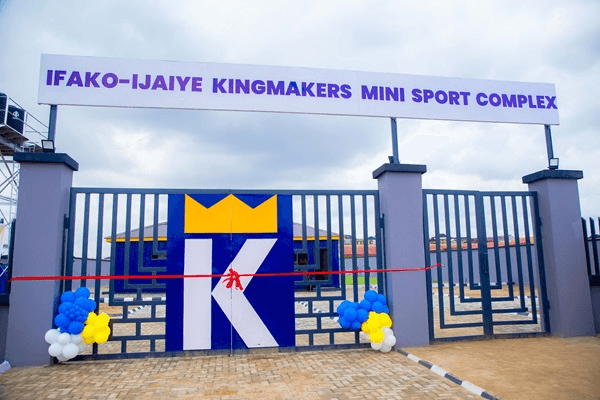
Ifako-Ijaiye represents one of the most strategically positioned residential hubs on the Lagos Mainland, offering a middle-ground solution for professionals who find Ikeja too expensive and the deeper reaches of Alagbado too remote.
It is respected by civil servants and private-sector mid-level managers because it offers a sense of established communal life that newer, more chaotic suburbs lack.
The area manages to balance a high density of housing with a structured layout that prioritises access to the Lagos-Abeokuta Expressway and the Lagos-Ibadan Railway corridor.
The area is one of the more complete addresses in the suburban Lagos category due to its infrastructure maturity and the presence of significant government institutions.
It is not merely a “dormitory” suburb where people only return to sleep; it functions as a self-sustaining ecosystem with its own healthcare hubs, reputable older schools, and a growing retail sector.
The housing variety is broad, ranging from legacy family bungalows in the older streets to modern, multi-storey apartment blocks in the newer gated estates.
Prospective residents must understand that Ifako Ijaiye is a high-density environment where traffic congestion at key bottlenecks like Pen Cinema and Iyana-Ipaja remains a daily reality.
While the completion of the Pen Cinema Flyover has eased some pressure, the sheer volume of commuters means that travel times can be unpredictable.
Power supply varies significantly between the different transformer zones, and certain low-lying streets face drainage challenges during the peak of the rainy season. This guide covers all of it honestly.

What Is Ifako Ijaiye?
Ifako Ijaiye is the primary residential heart of the Ifako-Ijaiye Local Government Area in northern Lagos.
Geographically, it sits as a buffer between the commercial intensity of Agege and the more expansive, suburban stretches of Ojokoro and Abule Egba.
It is bounded to the south by Agege, to the west by the Lagos-Abeokuta Expressway, and to the east by the heavy-rail corridor that connects Lagos to Ibadan. Its position makes it a critical transport node, as it serves as a gateway for those moving between the inner Lagos Metropolis and the burgeoning residential clusters in Ogun State.
Administratively, the area is divided into several distinct zones and wards, including Ifako, Ijaiye, and parts of Ogba and Abule Egba that spill over the LGA boundaries. The functional role of Ifako Ijaiye is predominantly residential, though it maintains a strong commercial presence along its major arteries, like College Road and Iju Road.
It is also a hub for public service, housing the Ifako-Ijaiye General Hospital and several local government administrative offices, which lends the area a more formal, structured feel compared to the more organic growth seen in surrounding districts.
The Neighbourhood Feel
Living in Ifako Ijaiye feels like being part of an established Lagos community that has successfully transitioned from a quiet suburb into a bustling urban centre.
It is not as frantic as Mushin or Obalende, but it is considerably more energetic than the quiet estates of Magodo. The pace of life is dictated by the school run and the morning commute, with a palpable sense of order in the residential streets that sit back from the main roads. It feels established because it is; many of the trees are mature, and many families have lived in the same houses for decades, creating a social fabric that is welcoming to new families.
The typical resident profile is a mix of upwardly mobile professionals who work in Ikeja or on the Island, long-term civil servants, and medical professionals attached to the nearby health facilities. Compared to areas at a similar price point, such as parts of Alimosho, Ifako Ijaiye feels more accessible and slightly more “middle class” in its aspirations.
There is a visible pride in the gated streets, where residents often contribute to their own security and minor road repairs. It is an area that suits those who value a predictable, community-oriented lifestyle over the flashy but often underserved developments found in newer parts of the city.

Key Streets, Zones, and Estates
College Road is perhaps the most famous artery in the area, serving as a high-activity commercial and residential corridor. It is lined with banks, supermarkets, and eateries, making it the heartbeat of Ifako Ijaiye. The housing here consists mostly of older multi-storey buildings and newer commercial developments. It is ideal for those who want immediate access to transport and retail, though it can be noisy during the day. The prestige of a College Road address remains high due to its central location and the quality of the surrounding link roads.
Veterinary and Obawole represent the more serene, deeply residential sections of Ifako Ijaiye. These zones are characterized by a mix of older bungalows and modern detached houses. The atmosphere here is significantly quieter than near the main expressways, making it a favorite for retirees and families with young children. Rent prices in these zones are often more stable, reflecting the long-term nature of the tenancies. The roads in these sections vary in quality, with some streets enjoying interlocking stones while others remain graded earth.
Yaya Abatan serves as a vital link between Ifako Ijaiye and Ogba. This zone is more cosmopolitan and caters to younger professionals who want to be close to the nightlife and offices of Ogba and Ikeja while paying Ifako Ijaiye prices. The housing stock here is generally newer, with many “mini-flats” and two-bedroom apartments specifically designed for small families or single professionals. It is a high-demand area, and as such, vacancy rates are typically low, with apartments often being taken within days of hitting the market.
Iju Road is the primary transit route that connects Ifako Ijaiye to the wider Iju and Ishaga areas. The sections of Ifako Ijaiye that border Iju Road are bustling and highly accessible. You will find more affordable housing options here, often in older tenements or large blocks of flats. While it lacks the quiet of the inner estates, its proximity to the rail line and major bus stops makes it the most practical choice for those who rely heavily on public transportation for their daily commute into central Lagos.
Rent Prices in Ifako Ijaiye
Rent in Ifako Ijaiye sits at a strategic middle point on the Lagos Mainland. It is generally more affordable than Ogba or Ikeja, where a 2-bedroom apartment can easily command 30% more, but it is more expensive than the deeper reaches of Abule Egba or Agbado-Ijaiye.
The pricing reflects the area’s superior infrastructure and its relative proximity to the state capital, Ikeja.
2026 annual rent ranges:
- 1-bedroom apartment (Mini-flat): ₦650,000 – ₦1,200,000
- 2-bedroom apartment: ₦1,200,000 – ₦2,200,000
- 3-bedroom apartment: ₦1,800,000 – ₦3,500,000
- 4-bedroom or detached house: ₦3,500,000 – ₦6,500,000
The top end of these ranges is typically found in the gated estates around Obawole and new developments along College Road, where modern amenities like fitted kitchens and en-suite rooms are standard.
The lower end of the range usually applies to older properties in the Iju Road axis or houses that lack dedicated security gates. Standard payment terms in Ifako Ijaiye usually require one year of rent upfront for existing buildings, though some new developers may ask for two years for a first-time tenancy. Professional fees (Agency and Legal) and a Caution Deposit are standard additions to the headline rent.
For current verified listings with real-time pricing and availability, browse apartments in Ifako Ijaiye on Expert Listing.
Flooding: What You Need to Know
Flooding is a localised concern in Ifako Ijaiye rather than a general one, but it must be taken seriously by anyone looking to move into the area. The terrain of Ifako is generally elevated compared to the coastal regions of Lagos, but the age of the drainage infrastructure means that certain streets experience significant flash flooding during the heavy rains.
The Lagos rainy season from April to July and September – October see the most pressure on the local gutters and canals.
Specifically, low-lying sections near the Ijaiye-Ojokoro border and certain streets off Iju Road that lack modern concrete drainage are the most vulnerable.
These areas can experience water ingress on the roads that takes several hours to recede after a downpour. In contrast, the more established estates and streets around College Road fare better because they sit on slightly higher ground and benefit from better-maintained primary drainage channels that lead toward the Odo-Iya Alaro system.
As with every Lagos address, flood-risk verification at the specific listing level is essential. Neighbourhood reputation, even a well-earned one, is not a reliable proxy for a specific street’s drainage profile. Expert Listing maps flood-risk signals at the individual listing level so you are working with precise data, not general impressions.
Safety and Security
Ifako Ijaiye enjoys a security profile that is generally considered above average for the Lagos Mainland. Its reputation is built on the fact that it is a long-standing residential community where “street intelligence” and neighbourly oversight are high.
Unlike some newer suburbs where people are strangers to one another, the older parts of Ifako Ijaiye have a strong communal watch system. Most of the inner residential streets have gated themselves off, with many installing security bars that are locked at 11:00 PM and manned by local vigilante groups or private security guards.
There are no major “red zones” within Ifako Ijaiye, but the high-traffic areas around Iju Road and the motor parks near the peripheries require more awareness, particularly after dark.
In these commercial zones, petty theft can occur. However, the gated estates around Veterinary and the quieter parts of Obawole are known for their 24-hour guard presence and controlled access, making them very safe for families.
Standard Lagos precautions apply: avoid walking alone in poorly lit commercial areas late at night and ensure your home has basic physical security measures like burglar-proof bars and secure gates.
Commute and Getting Around
The commute profile of Ifako Ijaiye is one of its most important selling points, but it is not without its challenges. Its proximity to the Lagos-Abeokuta Expressway and the new railway infrastructure gives residents multiple ways to move across the city.
- To Lagos Island: via the Third Mainland Bridge – 45 minutes in light traffic, 90 to 120 minutes during peak hours. The route typically involves driving through Ogba to join the Seven-Up/Toll Gate axis.
- To Victoria Island: 55 minutes in light traffic, 120+ minutes during peak hours. The journey can be gruelling during the morning rush due to bottlenecks at Alapere and the bridge entrance.
- To Ikeja / Mainland commercial hubs: 15 to 30 minutes. This is where Ifako Ijaiye shines. Proximity to Allen Avenue, Ikeja Along, and the Secretariat makes it an ideal base for those working in the state capital.
Internal movement is well-supported by a network of well-paved primary roads and some secondary streets that are in various states of repair.
Danfo buses run frequently along College Road and Iju Road, and Keke NAPEPs (tricycles) are the primary mode of transport in the inner streets and estates.
Uber and Bolt availability is excellent, with wait times rarely exceeding ten minutes during daylight hours. A significant advantage is the proximity to the Agege and Ikeja train stations, which allow residents to bypass road traffic entirely for trips to Ebute Metta or out toward Ogun State.
Schools
Ifako is exceptionally well-served by schools, making it one of the premier destinations for families on the Lagos Mainland.

The area features a mix of long-established private institutions and newer, modern schools that offer both Nigerian and British curricula.
The breadth of options ensures that parents can find schooling for all stages, from creche to senior secondary.
● Grace Children’s School – A premier institution offering high-quality primary education with a long-standing reputation in the Ogba/Ifako axis.
● Vivian Fowler Memorial College – Located nearby, this is one of the most respected all-girls secondary schools in Lagos.
● Ifako International School – A well-known local anchor providing comprehensive nursery, primary, and secondary education.
● Sunnydale School – Offers a balanced curriculum with a focus on early years and primary development.
● The African Church Model College – A reputable secondary school known for strong discipline and academic performance.
Healthcare
The healthcare infrastructure in Ifako Ijaiye is robust, serving as a medical hub for the surrounding Local Government Areas. It is particularly strong for those seeking a mix of specialist private care and reliable public health services, ensuring that emergency and routine needs are met within a short radius.
The Ifako-Ijaiye General Hospital is the major public facility in the area, providing affordable specialist care, maternal health services, and emergency stabilisation.

For private care, the area hosts several notable names:
● St. Nicholas Hospital — While their main hub is on the Island, they maintain a presence in the general Ogba/Ifako area for outpatient and specialist services.
● County Hospital — A long-standing private hospital in the nearby Ogba area that many Ifako residents use for its comprehensive diagnostic and inpatient services.
● Life-Forte Hospital — Known for routine care and family medicine within the Ifako community.
The area is specifically strong for routine family care and paediatrics, given the high density of residential families. However, for highly specialised surgeries or advanced oncology, residents often travel to Ikeja or the Island.
Lifestyle, Food, and Retail
Retail in Ifako Ijaiye is dominated by the activity along College Road. You will find several well-stocked supermarkets such as Hubmart and various branches of FoodCo, which offer everything from fresh groceries to household goods.
For everyday needs, the Ifako Market and the nearby Ogba Retail Market provide a more traditional shopping experience where fresh produce is available at wholesale prices. There is no need to leave the neighbourhood for daily essentials, as the density of “mom and pop” shops in the inner streets is very high.
The restaurant and food scene is mature and diverse. While it lacks the high-end “fine dining” of Victoria Island, it excels in quality “casual dining” and local flavours. Names like The Place and various fast-food anchors are present on College Road.
There is also a vibrant “buka” culture, where some of the best local soups and swallows on the Mainland can be found. For those who enjoy nightlife, the nearby Ogba and Ikeja districts offer more clubs and bars, as Ifako itself tends to quiet down earlier in the evening.
The nearest major mall is the Ikeja City Mall (ICM), which is approximately 15 to 25 minutes away, depending on traffic. ICM serves as the primary destination for cinema (Silverbird), high-street fashion brands, and international dining.
While Ifako Ijaiye doesn’t have its own mall of this scale, its proximity to Ikeja means that residents can enjoy “mall culture” without the high costs of living directly in the state capital’s commercial heart.
Community and recreation are centred around religious institutions and private clubs. Ifako Ijaiye is home to several large and influential churches and mosques, which serve as the primary social outlets for many residents. There are also several private gyms and fitness centres along the major roads.
While the area lacks large public green spaces or parks, the gated estates often provide safe, quiet streets for morning jogging and evening walks, contributing to the healthy, family-oriented social fabric of the neighbourhood.

Utilities: Power and Water
The Ikeja Electric (IKEDC) distribution company covers Ifako. The power supply is generally better than the Lagos average, with many parts of Ifako receiving between 12 to 16 hours of electricity daily.
However, this is highly dependent on the specific transformer serving your street. Some areas have been upgraded to “Band A” or “Band B” feeders, which command higher tariffs but offer more consistent supply.
In newer apartment blocks and gated estates, the use of central generators or solar power systems is the norm. In well-run buildings, generator management is efficient, with scheduled run times that ensure residents have power during peak morning and evening hours.
If you are renting in a multi-family dwelling, it is essential to ask about the “NEPA” bill sharing formula and the generator maintenance schedule.
Water supply is almost exclusively handled via private boreholes. Each house or apartment block typically has its own submersible pump and overhead storage tanks.
The water quality in Ifako is generally good, though some areas may require basic filtration systems to remove sediment. Public mains water is largely non-existent or unreliable, so the maintenance of the borehole system is a critical part of the service charge in any managed property.
Service charges in Ifako are a significant part of the monthly budget. In a gated estate or modern block of flats, you should expect to pay for security, waste management (via LAWMA or private contractors), and common area cleaning. These fees can range from ₦20,000 to ₦50,000 per month, excluding fuel for the central generator. Get the full monthly cost picture – not just headline rent – before signing.
Who Ifako Ijaiye Is Best For
Professionals who work in Ikeja or the Secretariat
Ifako Ijaiye offers the perfect balance of a short commute to the state’s commercial and administrative heart while providing a quieter, more affordable residential environment than Ikeja GRA or Maryland.
Growing families with school-age children
With its high density of reputable schools and established healthcare facilities, Ifako Ijaiye provides a stable environment for raising children. The sense of community in the gated estates is an added bonus for family security.
Frequent travelers and Ogun State commuters
Its position near the Lagos-Abeokuta Expressway and the Lagos-Ibadan rail line makes it ideal for individuals whose work requires them to move frequently between Lagos and neighboring states.
Mid-level managers seeking “value for money”
For those who want a 3-bedroom apartment with modern finishes but find the ₦4 million+ prices of Magodo or Lekki out of reach, Ifako provides similar internal housing quality at a significantly lower price point.
Retirees looking for an established community
The quieter sections like Veterinary and Obawole are perfect for those who want a peaceful environment with neighbours who have lived in the area for decades, far from the chaos of newer Lagos developments.
What to Watch Out For
The Pen Cinema and Iyana-Ipaja Bottlenecks
While the new flyover has helped, the traffic merging from Agege and Abule Egba can still create significant delays during peak hours. If your job requires strict 8:00 AM clock-ins on the Island, you must leave Ifako by 5:30 AM.
Drainage issues in low-lying zones
Be wary of houses located at the bottom of slopes or near the Ijaiye boundary. During the peak of the rainy season, some streets can become temporarily impassable, which can damage low-suspension vehicles.
Varying power supply by transformer
Do not assume that because one street has “20 hours of light,” the next street does too. Power supply in Ifako is very granular; always ask the potential neighbours about the specific “light situation” for that exact building.
Service charge transparency in newer blocks
Some landlords and agents in Ifako underquote the service charge to make the rent look more attractive. Ensure you see a breakdown of what the “service charge” actually covers to avoid surprise bills for security and waste.
Agent and “Developer” fees
The Lagos Mainland market is notorious for high ancillary fees. In Ifako, you may be asked for a “Total Package” that includes high agency and legal fees. Always verify the legitimacy of the agent before making any commitment.
Ready to Find Your Apartment in Ifako Ijaiye?
Every listing on Expert Listing is checked before going live. Location is mapped precisely against flood-risk data. Listings are removed the moment they are rented or sold – no ghost listings, no wasted trips.
Browse verified apartments for rent in Ifako Ijaiye on Expert Listing.
Frequently Asked Questions
Is Ifako Ijaiye a good place to live?
Ifako Ijaiye is widely considered one of the best residential areas on the Lagos Mainland for middle-income earners. It offers a balanced lifestyle with good schools, functional healthcare, and better-than-average security. While traffic can be an issue, its infrastructure maturity makes it a more comfortable choice than many newer Lagos suburbs.
How much is rent in Ifako Ijaiye in 2026?
Rent prices vary by house type and exact location. In 2026, a 1-bedroom mini-flat ranges from ₦650,000 to ₦1,200,000, while a 3-bedroom apartment costs between ₦1,800,000 and ₦3,500,000. Properties in gated estates or those along College Road typically command the higher end of these ranges.
How far is Ifako from Ikeja?
Ifako is very close to Ikeja, making it one of its primary advantages. Without traffic, the drive to the heart of Ikeja or the Alausa Secretariat takes about 15 to 20 minutes. During peak morning hours, this can increase to 35 or 45 minutes, but it remains one of the shortest commutes to the state capital from any residential suburb.
Does Ifako Ijaiye flood?
Ifako is not generally a flood-prone area because it sits on relatively high ground. However, localised flash flooding occurs on specific streets with poor drainage, particularly during the heavy rains in June and July. It is always advisable to check the drainage quality of the specific street where a property is located before renting.
Is Ifako Ijaiye on the Island or the Mainland?
Ifako Ijaiye is firmly on the Lagos Mainland. It is located in the northern part of the city, within the Ifako-Ijaiye Local Government Area. It serves as a major residential hub for people who work in Mainland commercial centres like Ikeja, Ogba, and Agege.