Oshodi, Lagos: Area Guide
Expert Listing
·
·
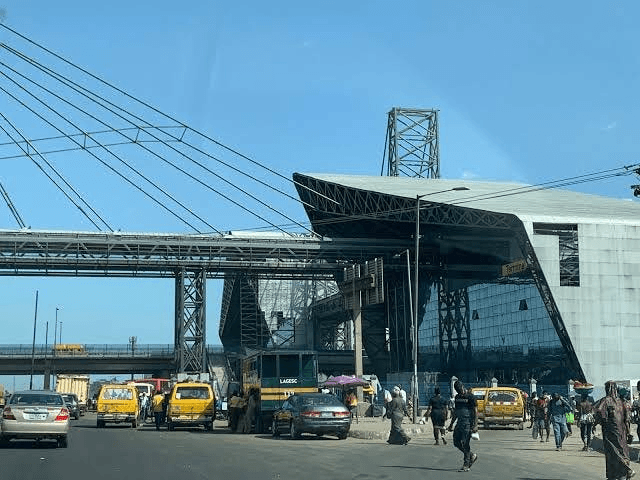
Oshodi is one of the most misunderstood addresses in Lagos. For years, its reputation was built almost entirely on its market and its traffic, and neither of those things made it sound like somewhere you would choose to live. But the Oshodi of 2026 is meaningfully different from the Oshodi that earned that reputation, and the gap between the neighbourhood’s image and its actual residential proposition has become wide enough that it is worth addressing directly.
The transformation started with infrastructure. The Oshodi Transport Interchange, completed by the Lagos State Government, reorganised one of the city’s most chaotic transit hubs into a functioning, multi-modal terminal. Road improvements followed. The BRT corridors through Oshodi became among the most efficient public transport routes on the Mainland. And beneath all of this, what was always true about Oshodi became more visible: it is one of the most centrally positioned addresses in all of Lagos, sitting at the intersection of every major transport corridor, and it offers rental prices that are among the most accessible for the access it provides.
The trade-offs are still real. Oshodi is dense and commercial in ways that require a genuine appetite for urban intensity. Parts of it flood. The housing stock includes a significant volume of older buildings that have not kept pace with their prices. And the neighbourhood’s working-class, high-density character is not for everyone.
But for the right profile, Oshodi is not a compromise. It is a deliberate choice that makes financial and logistical sense.

What Is Oshodi?
Oshodi is a major commercial and residential area in the Mushin Local Government Area of Lagos State, situated in the heart of the Lagos Mainland. It lies south of Ikeja, north of Surulere, east of Agege, and connects to a significant portion of the city’s road and transport network via the Airport Road, the Agege Motor Road, the Apapa-Oshodi Expressway, and the Oshodi-Isale connector toward Lagos Island.
The area is anchored by two major landmarks: the Oshodi Market, one of the largest open markets in Lagos, and the Oshodi Transport Interchange, the rebuilt bus terminal that has become one of the Mainland’s more organised transit hubs. These two nodes define the area’s commercial energy and its transport significance simultaneously.
The broader Oshodi address includes Oshodi proper, Isale Oshodi, parts of the Ladipo auto-parts market corridor, the Bolade area, and several residential streets and smaller estate developments set back from the main commercial arteries. As with many large Lagos Mainland addresses, the experience of living in Oshodi depends significantly on which part of it you are actually in.
The Neighbourhood Feel
Oshodi is one of the loudest, most active, most commercially saturated neighbourhoods on the Lagos Mainland. During the day, the market, the transport interchange, and the main commercial roads generate an intensity of activity that few other Lagos addresses can match. It is the kind of neighbourhood where things happen at street level constantly, and where the energy of the city is felt at full volume.
This is not a quiet residential neighbourhood. It is not the place you move to because you want quiet, tree-lined streets and a slow pace. It is the place you move to because you need to be at the centre of everything, and you want to pay less to be there than anywhere else at comparable access.
That said, the residential streets set back from the commercial corridors do quiet considerably, particularly in the evenings. The Bolade area and some of the streets north of the interchange have a more residential character than the market zone itself. And for residents who are out of the house for most of the day, the neighbourhood’s daytime intensity is largely an ambient fact rather than a daily living challenge.
The resident profile is working Lagos: traders, market workers, transport workers, mechanics and auto-parts workers from the Ladipo corridor, civil servants, low-to-mid income professionals, and a growing population of early-career workers and students who have identified Oshodi’s transport connectivity as its most important residential attribute.

Key Streets and Zones
The Oshodi Market zone covers the commercial core of the area, running along and around the main Oshodi road. This is the highest-density, highest-activity section and is not primarily residential in character. Buildings here tend to be commercial at ground level with residential uses above, and living here means full immersion in market-adjacent activity.
The Oshodi Transport Interchange area has been improved significantly and is better organised than it was before the rebuild. The immediate surroundings of the interchange are transitional in character, still mixed between commercial and residential uses but improving as the infrastructure around the terminal has been upgraded.
Bolade is one of the better-regarded residential sections within the broader Oshodi zone. Streets in the Bolade area are more consistently residential in character, with a mix of older family houses, converted flats, and some newer apartment buildings. It represents the more liveable end of the Oshodi address for residents who want to be in the area without being directly in the market zone.
The Ladipo corridor to the east of Oshodi proper is dominated by the auto-parts and mechanics market, one of the largest in West Africa. It is a commercial zone rather than a residential one, though housing exists in and around it for workers in the trade.
Isale Oshodi is the older, more traditionally settled section of the area with deeper indigenous community roots. Housing here is a mix of family compounds and older converted buildings.
Rent Prices in Oshodi (2026)
Oshodi’s rents are among the most accessible on the Lagos Mainland for the level of transport connectivity it provides. The numbers below reflect the current market:
These figures represent some of the lowest rents available at any Mainland address with comparable transport access. For workers commuting daily, the monthly rent savings versus Gbagada, Ikeja, or Maryland is real and compounds over a full tenancy.
The range within each category reflects the meaningful difference between the best and worst of Oshodi’s housing stock. A newer, well-maintained building in the Bolade zone is a substantially different product from an older, poorly maintained flat in the market zone at the same nominal price. In Oshodi more than most areas, the building itself rather than the area name is the primary quality signal.
Payment terms are more flexible in Oshodi than at Island or premium Mainland addresses. Quarterly or six-monthly payment is negotiable with many landlords, particularly in the older, less formally managed parts of the stock. One year upfront is standard in newer or estate-format buildings.
For current verified listings with real-time pricing and availability, browse apartments in Oshodi on Expert Listing
Flooding: What You Need to Know
Flooding is a genuine and significant concern in parts of Oshodi, and it is worse in this area than the neighbourhood’s Mainland positioning might suggest.
The area’s flat terrain, combined with drainage infrastructure that in many sections is old, inadequate, or poorly maintained, makes it vulnerable during Lagos’s heavy rain seasons (April – July and September – October). The market zone and several of the lower-lying residential streets can flood badly during peak rain events, with standing water that persists for days and ground-floor apartments that take on water in severe events.
The Bolade area and streets on higher ground fare better, but the variability within Oshodi is significant enough that street-level flood-risk assessment is important.
Expert Listing maps flood-risk signals for individual listings against precise location data, giving you reliable information on a specific address rather than a neighbourhood-level generalisation. At Oshodi’s price point, the cost of a flooded apartment is not just financial inconvenience but a serious disruption to daily life that the rent saving does not compensate for.
Safety and Security
Oshodi has historically carried a difficult safety reputation, and it is worth engaging with this honestly rather than dismissing it.
The market zone, the transport interchange area, and the Ladipo corridor involve very high densities of people, vehicles, and activity that create real exposure to opportunistic crime: pickpocketing, phone snatching, and bag theft are reported more frequently in Oshodi than in most comparable Mainland areas. The evenings around the market and interchange, particularly after the main trading activity has wound down, require genuine awareness.
The residential streets set back from the commercial core, particularly in Bolade, are calmer and safer by Mainland residential standards. The transition between the commercial intensity of the main roads and the residential quiet of the back streets is relatively sharp in Oshodi, and most residents who live in the quieter zones experience day-to-day security that is broadly comparable to other mid-Mainland addresses.
Cult activity has had historical presence in parts of the Oshodi-Mushin corridor. It is not the dominant safety variable for most residents in the better residential sections, but it is a factor worth being aware of in street-level location decisions.
Gated estate developments in the area provide a more controlled security environment. Standard Lagos precautions apply throughout: keep valuables secure, be alert in the market and transit zones, and exercise heightened awareness at night.
Commute and Getting Around
Transport connectivity is Oshodi’s single strongest residential argument, and it is genuinely exceptional.

To Ikeja: 10 – 20 minutes. Oshodi sits directly on the Airport Road corridor and is minutes from the Ikeja commercial zone, LASUTH, and the government secretariat at Alausa.
To Lagos Island: Via the Oshodi-Apapa Expressway and the approaches to Carter Bridge, 30 – 50 minutes under reasonable conditions. During peak hours, expect 1hour to 1.5 hours. This is among the shorter Mainland-to-Island commute times available at Oshodi’s price point.
To Victoria Island: Add 15 – 25 minutes to the Island time above. Manageable for professionals who make the trip regularly.
To Surulere and Mushin: 15 – 25 minutes. Oshodi’s southward connectivity is strong.
To Agege and the western Mainland: The Agege Motor Road corridor is directly accessible, making Oshodi well-connected westward as well.
The BRT network through Oshodi is one of its most underrated assets. The BRT corridor connecting Oshodi to Lagos Island, Ikeja, and Ikorodu runs through the interchange and provides a practical, relatively predictable commute option for non-drivers that significantly outperforms road traffic during peak hours. For residents who commute by public transport, Oshodi’s BRT access is genuinely competitive with much more expensive Mainland addresses.
Danfo, Keke NAPEP, and okada serve the internal routes and surrounding streets extensively. Uber and Bolt availability is reasonable, though surge pricing during peak hours in a high-demand transport hub is common.
Schools
Oshodi’s school infrastructure reflects its working-class, high-density character: a mix of public schools with long community histories and private schools of varying quality, without the premium private school concentration found in Ikeja GRA or Gbagada.
Public primary and secondary schools in the area include long-established government institutions serving the community. For families comfortable with the public education system, these represent zero-cost options within the immediate area.
Private nursery and primary schools have proliferated in the residential zones of Oshodi, with quality varying widely. Secondary school options in the private sector within Oshodi itself are less consistent, and families with specific secondary school requirements often look to the Ikeja corridor, accessible within 15 – 20 minutes.
For families prioritising premium private school access, Oshodi’s proximity to Ikeja means the Grange School, Chrisland, and Corona campuses are accessible without a long commute, making it possible to live in Oshodi while accessing Ikeja’s school infrastructure.
Healthcare
Healthcare access from Oshodi is anchored by the proximity to the Ikeja hospital corridor.
Lagos State University Teaching Hospital (LASUTH) in Ikeja is accessible from Oshodi in 15 – 25 minutes, providing specialist public healthcare within practical reach. Several private hospitals and clinics operate within and around the broader Oshodi-Mushin zone for routine and outpatient care.
The density of population in Oshodi means that basic pharmacy and clinic access is abundant at street level. For anything beyond routine care, the practical option is the Ikeja or Lagos Island hospital clusters, both of which are reasonably accessible given Oshodi’s transport connectivity.
Lifestyle, Food, and Retail
Oshodi’s lifestyle infrastructure is built around its market economy rather than aspirational consumer formats, and this is one of the more distinctive aspects of living there.
Oshodi Market is one of the largest and most comprehensively stocked open markets in Lagos. Fresh produce, clothing, electronics, provisions, household goods, auto parts, and practically anything else can be sourced within or immediately around the market at prices that reflect the commercial density and competition of a major wholesale and retail hub. For cost-conscious households, access to Oshodi Market is a genuine financial advantage.
The food scene at street level is abundant and local: buka restaurants, suya spots, local food vendors, and fast food options are everywhere in the commercial zone. Sit-down dining in the contemporary sense is limited within Oshodi proper, and residents who want that experience look to Ikeja’s Allen Avenue and Toyin Street strips.
Ikeja City Mall is 20 – 30 minutes away and serves as the practical mall for Oshodi residents, covering cinema, supermarket, and leisure retail needs. The proximity to Computer Village in Ikeja is also a practical asset for electronics and tech needs.
The Ladipo auto-parts market, one of West Africa’s largest, is a resource for vehicle maintenance and parts that residents across Lagos come to Oshodi specifically to access. For car owners, this proximity can save meaningful money on maintenance.

Utilities: Power and Water
Power supply in Oshodi is broadly consistent with comparable dense Mainland areas, which means regular public supply interruptions and significant dependence on generator backup.
Building-level generator management quality is the primary variable, as it is across Lagos. Newer buildings and the small number of estate-format developments in the area generally have more reliable backup infrastructure. Older buildings, which represent a large proportion of Oshodi’s housing stock, vary significantly in their generator arrangements and may have informal or unreliable backup supply.
The density and commercial intensity of Oshodi means generator noise from commercial neighbours can be a significant quality-of-life factor for residents in mixed-use buildings, particularly those on or near the main commercial roads.
Water supply in quality buildings is through borehole systems. In older stock, arrangements are more variable. Confirm water source and supply reliability for any specific apartment before committing.
Who Oshodi Is Best For
Workers in the Ikeja and Airport Road corridor who are optimising on commute cost and rent. Oshodi’s proximity to Ikeja is exceptional and its rents are among the most accessible for that level of access. For airport workers, aviation professionals, and Ikeja commercial zone workers who need to be close to work without paying Ikeja prices, Oshodi is a rational choice.
Traders and market-economy workers for whom Oshodi Market is itself the workplace or supply chain. Living in Oshodi when your business is in Oshodi eliminates the commute variable entirely and puts you at the centre of one of Lagos’s most active commercial ecosystems.
Public transport-dependent commuters. The BRT access through the Oshodi interchange is one of the best on the Mainland. For workers who commute by public transport to Lagos Island or Ikeja, Oshodi’s BRT connectivity provides commute times that are competitive with much more expensive addresses.
Early-career and budget-constrained workers who need to be on the Mainland and cannot afford Gbagada, Maryland, or Ikeja prices. Oshodi’s rent floor is genuinely low, and for workers who need to be in Lagos but are managing finances carefully, it provides basic residential access at a price point that is hard to match for the connectivity it offers.
What to Watch Out For
Market zone noise and intensity if you value residential quiet. Buildings in or adjacent to the market zone are subject to commercial noise, generator exhaust from market traders, and high foot traffic that does not stop at business hours. The Bolade and more residential sections are calmer. Be deliberate about which zone within Oshodi you are targeting.
Flooding in lower-lying sections. It is more serious in parts of Oshodi than the area’s price point suggests is acceptable. Verify flood-risk at the specific listing level before committing.
Building quality and maintenance in older stock. A large proportion of Oshodi’s housing stock is older buildings that have cycled through tenants without adequate renovation. The gap between the best and worst buildings in the area is large. Inspect building condition, electrical installations, and water supply carefully rather than relying on the rent price as a quality signal.
Safety awareness in the market and interchange zones. The commercial intensity creates real opportunistic crime exposure. Manage valuables actively, particularly in the market zone and around the transport interchange during peak hours.
Cult activity in specific streets. It is a factor in parts of the Oshodi-Mushin corridor and worth informing specific street-level decisions, particularly in the older residential zones.
Ready to Find Your Apartment in Oshodi?
Every listing on Expert Listing is physically inspected and document-verified before going live. Location is mapped precisely against flood-risk data. Listings are removed the moment they are rented or sold.
Browse verified apartments for rent in Oshodi on Expert Listing
Frequently Asked Questions
Is Oshodi a good place to live in Lagos? For the right profile, yes. Workers in the Ikeja corridor, traders in the Oshodi market economy, public transport-dependent commuters, and budget-constrained early-career workers will find Oshodi offers connectivity and affordability that is hard to match at its price point. The trade-offs are commercial intensity, safety awareness in the market zones, flooding on specific streets, and older housing stock. The Bolade area and the residential streets away from the market core offer a more liveable experience within the broader Oshodi address.
How much is rent in Oshodi in 2026? Oshodi has some of the most accessible rents on the Lagos Mainland. A 1-bedroom ranges from N350,000 to N700,000 per year; a 2-bedroom from N600,000 to N1.2 million. The range reflects real differences in building quality and location within the area. Bolade and the more residential sections sit toward the upper end; the market-adjacent zones toward the lower.
How far is Oshodi from Lagos Island? Approximately 30 – 50 minutes under reasonable conditions via the expressway approaches to Carter Bridge. During peak morning rush hours, expect 1 – 1.5 hours. The BRT corridor through Oshodi provides a more predictable commute option for non-drivers and often outperforms road traffic during peak hours.
Is Oshodi safe to live in? With appropriate awareness, yes, particularly in the Bolade and residential zones set back from the market and interchange. The market zone and the Ladipo corridor require heightened awareness for opportunistic crime. Cult activity has historical presence in parts of the broader Oshodi-Mushin area. Gated building living reduces the relevant exposure significantly. The residential sections away from the commercial core are broadly comparable to other mid-Mainland addresses in day-to-day safety.
Does Oshodi flood? In significant sections, yes. The flat terrain and older drainage infrastructure in parts of Oshodi make flooding during the peak rain season a real risk. It is one of the most important factors to verify at the specific listing level before committing. Do not rely on neighbourhood-level impressions.
Why is Oshodi famous in Lagos? Oshodi is best known for its market, one of the largest in Lagos, and historically for the chaotic bus terminal that preceded the rebuilt interchange. The Ladipo auto-parts market in the adjacent corridor is also one of the most significant of its kind in West Africa. Together, these have made Oshodi one of the most commercially significant transit and market hubs on the Lagos Mainland for decades.