Cheap Apartments for Rent in Ketu, Lagos: A Realistic Price Guide
Expert Listing
·
·
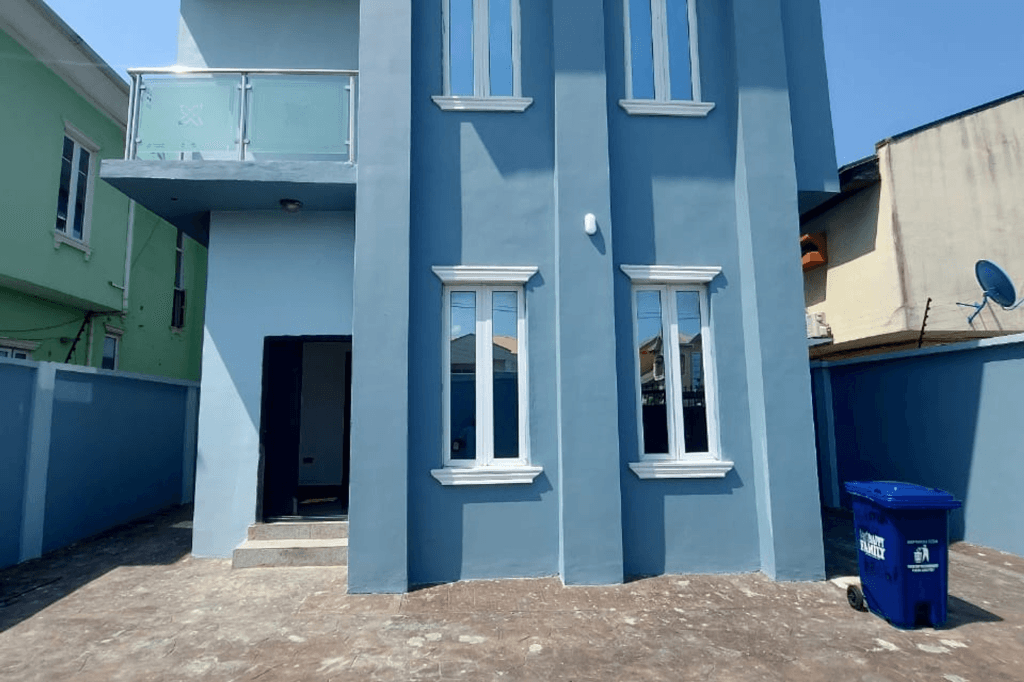
Ketu occupies a strategic middle ground in the Lagos rental market, serving as a vital bridge between the commercial density of the Lagos Island axis and the residential expanses of the Mainland. It sits comfortably below the premium pricing of neighbouring Magodo but stays significantly above the entry-level costs found in further-flung suburbs like Ikorodu.
For budget-conscious renters, Ketu represents a high-value compromise, offering Mainland-adjacent pricing with a commute profile that many Island workers find more manageable than living in deeper parts of the interior.
The price disparity between Ketu and its more upscale neighbour, Magodo Phase 2, is one of the most compelling reasons for its popularity among middle-income earners. A standard 2-bedroom flat that costs ₦4,500,000 per year in Magodo can be found for ₦2,000,000 – ₦3,000,000 in Ketu, specifically within the Alapere and Agboyi axes.
This ₦1,500,000 annual saving practically translates to a monthly surplus of ₦125,000, which many renters redirect toward private transportation or higher-quality school fees for their children, effectively buying a better lifestyle with the money saved on rent.
This guide provides a data-driven look at the Ketu rental market as of 2026. We cover the current price bands for different apartment types, the specific neighbourhoods where value is highest, and the infrastructure trade-offs you must navigate.
Whether you are looking for a compact self-contained unit or a family-sized 2-bedroom flat, understanding where the value floor sits in Ketu is essential to avoiding overpriced, low-quality listings.

Browse verified apartments in Ketu at current prices on Expert Listing:
What “Cheap” Actually Means in Ketu
In the context of the 2026 Lagos property market, “cheap” is a relative term that shifts based on a renter’s previous location and financial goals. In Ketu, the definition of an affordable apartment is defined by three distinct perspectives.
The Magodo or Ikeja Relocator
For those relocating from premium areas like Magodo Phase 2 or Ikeja GRA, “cheap” in Ketu represents a massive reduction in fixed costs. These renters are typically looking for a 40% to 50% saving on their annual rent.
To them, Ketu is a strategic retreat that allows them to maintain a similar level of interior finishing, such as POP ceilings and fitted kitchens, while moving into a less structured neighbourhood environment. The trade-off is often the lack of paved estate roads, but the financial relief is immediate and substantial.
The Mainland Professional
For renters moving from areas like Yaba, Surulere, or even further up the Lagos-Ibadan Expressway, Ketu offers a Mainland-adjacent lifestyle with superior access to the Island corridor. “Cheap” here means accessing a location that cuts their daily commute time to Victoria Island or Lekki by 30 to 45 minutes without paying the “Island premium” rents of Ajah or Sangotedo. It represents an investment in time and productivity rather than just a lower Naira figure.
The First-Time Lagos Renter
For early-career professionals or recent graduates, Ketu serves as an accessible entry point into the Lagos middle-class rental market. At this level, “cheap” refers to the availability of self-contained and mini-flat units that are modern enough to be habitable but priced within the ₦1,000,000 to ₦1,600,000 range.
It is often the first place where a young worker can afford a gated compound and a personal prepaid meter, moving away from the “face-me-I-face-you” shared infrastructure common in lower-income districts.
Regardless of which category you fall into, Ketu offers a diverse range of pricing tiers that can accommodate various budget constraints.

Ketu Rent Price Bands in 2026
The following four bands represent the realistic market rates for apartments in Ketu today, based on verified listing data and recent transactions.
Budget tier: below ₦1,300,000 per year
- What you get: This tier typically consists of room-self-contained units and older mini-flats in areas like the interiors of Alapere and Ketu-Ikosi. Infrastructure is basic, usually featuring a borehole and a gated compound, but often lacks dedicated security personnel or consistent generator backup. Road access is often unpaved.
- Who this suits: Early-career workers, NYSC members, and students who prioritise location over premium amenities.
- What to be careful about: In this price range, check for “load-shedding” on shared electricity bills and the quality of water from the borehole, as older pipes can lead to rusty water.
Mid-budget tier: ₦1,300,000 – ₦2,200,000 per year
- What you get: This is the most competitive segment in Ketu. At the lower end, you find standard mini-flats with POP ceilings and tiled floors. At the upper end, you can secure relatively new 2-bedroom flats in slightly older buildings. Most units have personal prepaid meters and basic kitchen cabinets.
- Who this suits: Middle-income professionals and small families moving from more expensive Mainland areas.
- What to be careful about: Variable quality in plumbing and electrical fittings. Always test the water pressure and check for dampness on the walls before paying.
Mid-to-upper tier: ₦2,200,000 – ₦3,500,000 per year
- What you get: This band buys you “executive” apartments, often newly built or recently renovated. These are usually located in more organised zones like Agboyi Estate or specific gated streets in Alapere. Expect 2-bedroom units with all rooms en-suite, visitors’ toilets, security personnel, and better-managed facility services.
- Who this suits: Established families and senior professionals who want the security of an estate-like environment without Magodo prices.
- What to be careful about: Verify the “Legal and Agency” fees, which can be disproportionately high in this tier, sometimes reaching 20% of the rent.
Serviced and short-let tier: ₦25,000 – ₦60,000 per day
- What you get: Fully furnished apartments with 24-hour power (often solar or inverter-backed), high-speed internet, and cleaning services. These are mostly found in developments like Raymond Estate.
- Who this suits: Business travellers, “diaspora” Nigerians visiting family, or residents undergoing home renovations.
- What to be careful about: Review the “caution deposit” policy, as some hosts in Ketu are strict about minor damages to electronics or furniture.

Where the Cheapest Habitable Apartments Are in Ketu
Location is the primary driver of both price and habitability in Ketu, as the area’s geography significantly affects flood risk and road accessibility.
Alapere (Off Agidi Road and Oriola Street)
This is perhaps the most popular zone for budget renters due to its proximity to the Third Mainland Bridge. You can find modern mini-flats here for ₦1,500,000 to ₦1,800,000. While the main Agidi Road is paved, the secondary streets, like Oriola, can become difficult to navigate during the peak of the rainy season. However, the rental stock here is relatively new, with many buildings featuring modern finishes like stamped concrete floors and POP ceilings.
Agboyi Estate and Agboyi Road
Agboyi offers a more structured residential feel. It is a prime location for those seeking 2-bedroom flats, with prices ranging from ₦2,500,000 to ₦3,500,000 for executive units. The estate environment provides a layer of security and communal management that is often missing in the “open” parts of Ketu. Renters here often benefit from more stable electricity due to better-maintained local transformers.
Ketu-Alapere (Off Goodluck Akinyemi and Solomon Street)
This area contains some of the best value-for-money self-contained apartments in Ketu. Units here often go for ₦1,000,000 to ₦1,400,000 per year. It is a high-density area, which means foot traffic is high, but it is also one of the most accessible points for public transportation. Schools like Confab School are located within this general axis, making it a viable option for young families.
Raymond Estate (Ikosi-Ketu)
While generally considered a more premium enclave within the area, Raymond Estate does have occasional rental stock for those at the top of the “cheap” spectrum. It is particularly known for serviced apartments and short-let units. The infrastructure here is superior, with better drainage and gated security, but you will rarely find anything below ₦3,000,000 for a long-term 2-bedroom lease.

What the Cheapest Ketu Apartments Get Wrong (and How to Avoid It)
Budget renting in Ketu often involves a compromise, but some issues are deal-breakers that can make a “cheap” apartment very expensive in the long run.
No functional generator backup
In the budget segment of Ketu, most buildings do not provide a central generator. Renters are expected to bring their own “I-pass-my-neighbour” or larger generators. The practical daily impact is a high noise level in the compound and the constant chore of carrying petrol cans. In some newer “mini-estates,” there may be a formal generator management system where residents contribute to a diesel fund, but this often leads to disputes if the manager is not transparent.
The question to ask:
You should ask the landlord or agent: “Is there a designated spot for my generator, and is there a changeover switch already installed?” Also, ask if there are specific hours when generators are prohibited to avoid noise complaints from neighbours. If the building has a central generator, ask for a log of the fuel contributions from the last three months to see if the system actually works.
No borehole: water delivery instead
While most modern Ketu apartments have boreholes, some older or very cheap units still rely on water delivery trucks or “maishayi” (water vendors). This is a significant logistical burden and a health risk if the source is unknown. Borehole-fed buildings are the standard, but you must check the quality. Ketu’s proximity to the lagoon means that in some low-lying spots, the water can be salty or contain heavy sediment.
Unpaved or badly maintained access roads
Many budget zones in Alapere and Ketu-Ikosi are situated on unpaved streets. During the dry season, these roads look fine, but during the rainy season, they can become muddy lagoons. This affects your ability to bring a car home and increases your maintenance costs for vehicle suspension and tyres. Always visit a potential apartment after a heavy rain to see the true state of the access road.
Flooding in the compound or the apartment
Flood risk is a serious consideration in Ketu, especially in the Agboyi-Ketu LCDA area. Research from the Centre for Housing and Sustainable Development has highlighted that thousands of buildings in the wider Agboyi axis are vulnerable to climate-related flooding. Ground-floor units in low-lying developments are the most at risk. Expert Listing maps flood-risk signals at the individual listing level to provide the most reliable verification, helping you avoid apartments that will require you to bail out water every July.
Agents without verified authority
The high demand for cheap housing in Ketu attracts unverified agents who may not have a direct mandate from the landlord. To protect yourself, never make a payment until you have met the landlord or seen a documented power of attorney. Verify the identity of the person you are paying against the property’s title documentation. Expert Listing mitigates this risk by only listing properties from verified developers and agents with a proven track record.
How to Get the Best Value in the Ketu Budget Market
Getting value in Ketu is about balancing the headline rent with the hidden costs of living in a specific building or street.
Set a realistic minimum for your infrastructure requirements.
Do not go below a ₦1,200,000 floor if you require a gated compound with a functional borehole and a personal prepaid meter. Anything cheaper in Ketu usually involves shared electricity bills or security concerns that will cost you more in stress and lost items than you save in rent.
Prioritise newer stock within your budget.
Look for buildings constructed within the last 3 to 5 years. In Ketu, newer stock tends to have better electrical wiring and more modern drainage systems, reducing the likelihood of electrical fires or damp-related health issues.
Factor in the full cost, including service charges.
The “headline rent” is rarely the final price. In Ketu, monthly service charges or estate levies typically range from ₦10,000 to ₦25,000. A worked example: a ₦1,500,000 rent with a ₦15,000 monthly levy results in an effective annual cost of ₦1,680,000. Always include this in your initial budget.
Negotiate on apartments that have been sitting.
If a standard mini-flat with an asking price of ₦1,800,000 has been on the market for more than 3 or 4 weeks, it is likely slightly overpriced for its specific street. You can often negotiate this down to ₦1,600,000 or ₦1,650,000 if you are ready to make a prompt payment and have your employer’s reference ready.
Use a platform with verified availability.
Ketu is a high-volume market where “good” apartments go fast. Many agents leave “stale” listings online to attract calls. Expert Listing solves this by removing listings in real time, the moment they are rented or sold, ensuring that every apartment you see is actually available for inspection.
Cheapest Apartment Types in Ketu and What They Include
Self-contained / Studio (₦1,000,000 – ₦1,400,000 per year)
This apartment type consists of a single room that serves as both a living and a sleeping space, with an en-suite bathroom and a small kitchenette. In Ketu, these are popular with young professionals. Most units in this price range include tiled floors and a wardrobe. Ensure you check the ventilation, as some studios in Alapere are carved out of larger flats and may have small windows.
Mini flat (₦1,400,000 – ₦2,200,000 per year)
A mini flat in Ketu offers a separate living room and one bedroom, usually with two toilets (one for visitors). This is the standard “starter home.” At the ₦1,500,000 mark, you can expect decent finishing and a dedicated kitchen space with cabinets. These are widely available in the Alapere and Ketu-Ikosi areas.
1-bedroom flat, budget (₦1,200,000 – ₦1,600,000 per year)
Budget 1-bedroom flats are often found in older buildings or on the outskirts of Ketu. They provide more space than a studio but may have dated fittings, such as older louvre windows instead of aluminium sliding frames. These suit those who need more square footage but don’t mind doing minor cosmetic repairs themselves.
1-bedroom flat, estate (₦2,200,000 – ₦2,800,000 per year)
These are premium versions of the mini flat, located within gated estates or newly built “executive” blocks. They feature high-end finishes, such as chandelier lighting, water heaters, and often come with better security and paved parking. Many of these units are located near the Alapere roundabout or within Agboyi Estate.
2-bedroom flat, budget (₦1,800,000 – ₦2,500,000 per year)
Budget 2-bedroom flats in Ketu are typically located in the interiors of the neighbourhood. They offer enough room for a small family, but you should expect basic finishing and shared compound facilities. Access roads to these buildings are often the primary concern, so check the proximity to the main bus stop if you do not own a car.

Ready to Search Verified Cheap Apartments in Ketu?
Every listing on Expert Listing is verified before going live. Flood risk is mapped at the individual listing level. Listings are removed the moment they are rented or sold.
Browse verified budget apartments in Ketu on Expert Listing:
Frequently Asked Questions
Is cheap rent in Ketu worth it compared to Magodo?
Yes, if your primary goal is cost-saving while remaining close to major business hubs. Ketu provides a similar commute profile to the Island as Magodo Phase 2, but at roughly 50% of the rental cost. While you lose the structured serenity and paved roads of a premium estate, the hundreds of thousands of Naira saved annually make Ketu a highly logical choice for middle-income earners.
Can I find a mini flat in Ketu for under ₦1,200,000 per year?
It is increasingly difficult to find a modern, habitable mini flat for under ₦1,200,000 in 2026. Most listings at this price point will be room-self-contained units or very old mini flats that require significant renovation. For a standard mini flat with a prepaid meter and decent water supply, you should budget at least ₦1,500,000.
What is the cheapest rent in Ketu, Lagos in 2026?
The cheapest habitable apartments in Ketu as of early 2026 are self-contained units, which start at approximately ₦1,000,000 per year. While there are “face-me-I-face-you” rooms available for lower amounts, these do not meet the standard definition of a self-contained apartment with private facilities.
Are there good schools in Ketu for families renting on a budget?
Ketu has several established educational institutions that cater to residents. Confab School is a notable option for those looking for nursery, primary, and secondary education within the heart of the community. Access to these schools is a major factor for families choosing to stay in the Ketu-Alapere axis.
What is the healthcare situation in Ketu for residents?
Residents have access to various clinics and hospitals. For specialised care, Kelina Hospital provides a range of services, including urology and general surgery, though it is located further out toward the Island axis. Locally, there are several private clinics and the Agboyi-Ketu LCDA health centres that handle routine medical needs.
How do I avoid flooding when looking for cheap apartments in Ketu?
The best way to avoid flooding is to look for apartments on higher ground, specifically those further away from the canal and lagoon areas. Check the walls of the compound for “watermarks” which indicate previous flood levels. Additionally, Expert Listing provides flood-risk signals for its listings, which is the most reliable way to verify a property’s history before you visit.