Cost of Living in Wuse 1 & 2, Abuja (2026): Rent, Food, Transport & Utilities cost
Expert Listing
·
·
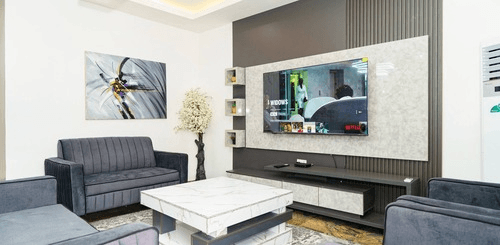
If you have ever stood at the bustling intersection of Aminu Kano Crescent or taken a quiet evening drive through the tree-lined streets of Wuse 2, you know exactly why this neighbourhood holds an almost mythical status in the hearts of Abuja residents. Wuse is not just a geographic location; it is the ultimate urban heartbeat of the Federal Capital Territory. While areas like Asokoro and Maitama offer a quiet, almost detached luxury for diplomats and top government officials, Wuse 1 and Wuse 2 represent where Abuja actually comes alive. It is a masterfully planned enclave where high-stakes corporate ambition seamlessly blends with a vibrant social scene, making it the premier destination for upwardly mobile professionals, politicians, tech entrepreneurs, and expatriates in 2026.
Living here places you at the epicentre of convenience and prestige. You are steps away from international dining, corporate headquarters, luxury boutiques, and the city’s most popular lifestyle hubs. The neighbourhood moves with a unique rhythm: the early morning rush of civil servants and consultants heading toward the Federal Secretariat, the mid-day buzz of business meetings in upscale cafés, and the neon-lit energy of weekend nightlife. However, this unmatched access to the Abuja dream comes with a steep financial reality. The “Wuse premium” is a tangible factor that influences every aspect of daily life, from the price of a basket of tomatoes to the eye-watering service charge invoices issued by property developers.
Many prospective residents eye a move to Wuse with a budget built strictly around headline annual rent figures, failing to account for the secondary, highly localised hidden expenses that define life in the capital. The cost of maintaining an estate-approved lifestyle, managing alternative power, and keeping up with the transactional nature of Abuja’s social expectations can quickly cause financial strain if you fail to plan accurately.
This comprehensive guide is designed to dismantle those surprises, providing an honest, deep-dive breakdown of what it genuinely costs to live, work, and thrive in Wuse 1 and Wuse 2 in 2026.

How Much is Rent in Wuse 1 & 2?
Rent in Wuse 1 & 2 is the heavy financial anchor that dictates the rest of your monthly spending. In 2026, the rental market is highly competitive, driven by a chronic shortage of premium land and a continuous influx of high-earning professionals into the city centre. Wuse 1 remains slightly more traditional, featuring spacious legacy apartment blocks and standalone properties that offer excellent square footage but sometimes require cosmetic updates. Wuse 2, by contrast, is the pinnacle of contemporary commercial and residential luxury, where ultra-modern serviced apartment blocks, smart-home glass towers, and sleek townhouses command absolute premium rates.
Furthermore, the rise of short-let conversions has drastically shrunk the available inventory for long-term residential leases, driving prices upward across all property tiers.
Annual Rent & Monthly Equivalents (2026),
| Property Type | Annual Rent Range | Monthly Equivalent |
| Self-contained / Luxury Studio | ₦2,500,000 – ₦4,500,000 | ₦208,333 – ₦375,000 |
| 1-Bedroom Flat (Mini-Flat) | ₦4,500,000 – ₦7,500,000 | ₦375,000 – ₦625,000 |
| 2-Bedroom Apartment / Flat | ₦8,000,000 – ₦14,000,000 | ₦666,666 – ₦1,166,666 |
| 3-Bedroom Apartment / Townhouse | ₦13,000,000 – ₦22,000,000 | ₦1,083,333 – ₦1,833,333 |
| 4/5-Bedroom Detached Duplex + BQ | ₦25,000,000 – ₦45,000,000+ | ₦2,083,333 – ₦3,750,000+ |
3 Important Things to Note Before Renting in Wuse 1 & 2
The Massive Upfront Cash Demand: While looking at monthly equivalents provides a clear view of cash flow, remember that Abuja landlords universally require one full year—and frequently two years for brand-new or highly competitive structures—upfront. For a standard 2-bedroom apartment tracking at ₦10,000,000, you must drop that entire sum as a lump sum. On top of that, you must factor in the “Total Package” extras: a 10% agency fee, a 5% to 10% legal fee, and a hefty caution deposit (often ₦500,000 to ₦1,000,000 for damages and utility backlogs).
Commercial vs. Residential Encroachment: Wuse 2 is rapidly commercialising. A street that is quiet and serene when you view it on a Sunday afternoon can transform into a chaotic gridlock of shoppers, delivery bikes, and lounge-bound cars by Friday evening. Before signing a lease, visit the property at multiple intervals during the week to ensure the ambient noise levels and traffic patterns align with your peace of mind.
Infrastructure Variations between Wuse 1 & 2: Wuse 1 properties are often situated within quieter, more deeply residential loops with wider setbacks and more mature green spaces. Wuse 2 properties put you closer to the high-end retail action but often come with more constrained compound spaces, making parking a premium asset if you live in a multi-tenant apartment block.
Service Charges and Estate Levies
The service charge is where many new Wuse residents experience severe budget shock. In Abuja’s prime districts, renting an apartment is akin to signing up for a subscription to a managed mini-estate. Property developers and facility managers build extensive service frameworks that are completely mandatory for all tenants.
In Wuse 1 & 2, these charges are driven by the high standard of living expected by residents. A standard service charge invoice covers round-the-clock uniform security guards at the gates, CCTV monitoring, centralised waste management, compound maintenance, borehole water treatment and pumping, and the cleaning and lighting of common areas. In upscale complexes, it also factors in lift maintenance, swimming pool and gym upkeep, and central facility management fees.
Realistic Monthly Service Charge Ranges,
| Building / Court Type | Monthly Service Charge Range | Annual Added Cost |
| Classic Standalone / Unserviced Shared Compound | ₦35,000 – ₦75,000 | ₦420,000 – ₦900,000 |
| Modern Multi-Family Block (Excl. Central Power) | ₦80,000 – ₦150,000 | ₦960,000 – ₦1,800,000 |
| Premium Serviced Court (With 24/7 Central Power) | ₦200,000 – ₦450,000 | ₦2,400,000 – ₦5,400,000 |
For example, if you rent a modern 2-bedroom flat with a baseline rent of ₦10,000,000, a monthly service charge of ₦120,000 adds an extra ₦1,440,000 to your annual accommodation expenses. This pushes your true yearly housing baseline to ₦11,440,000. It is absolutely vital to demand a highly itemised service level agreement (SLA) before transferring funds, ensuring you know exactly what is covered and how often rates can be reviewed.
Generator Fuel: The Hidden Utility Bill

While Abuja generally enjoys some of the most stable grid power allocations from the Abuja Electricity Distribution Company (AEDC) compared to other Nigerian metros, Wuse 1 & 2 are subject to high-priority pricing structures. The neighbourhood sits firmly within Band A and Band B feeders, meaning that when grid power is active, it flows reliably but at a high cost per kilowatt-hour. However, grid maintenance, nationwide supply fluctuations, and localised transformer overloads mean that a backup power strategy is non-negotiable.
In unserviced properties where you must manage your own power generation, running a 10kVA to 20kVA diesel or petrol generator to power air conditioning units and large household appliances during downtime is an expensive venture. With current fuel prices, running a personal backup generator for an average of 3 to 5 hours a day can easily drain ₦80,000 to ₦180,000 per month in fuel and regular mechanical maintenance.
In premium, fully serviced apartment complexes across Wuse 2, power management is centralised. The management runs heavy industrial generators during fixed windows or provides automated, seamless transfer switches. This convenience is typically billed through a split prepayment meter system, where you purchase “Generator Tokens” alongside your standard grid power. In these luxury setups, the effective tariff per unit of power escalates dramatically. If your lifestyle requires constant air conditioning and heavy appliance usage, your monthly centralised power and fuel bill can easily range from ₦120,000 to ₦250,000. To counter this massive hidden utility bill, forward-thinking professionals and families are heavily investing in 5kVA to 10kVA solar-inverter hybrid installations as their primary backup system.
Food and Groceries in Wuse 1&2
Food spending in Wuse 1 & 2 directly reflects the high-income demographics of the district. The neighbourhood offers an affluent retail mix, giving you immediate access to premium international imports alongside traditional open-air markets.
The Retail and Culinary Landscape
Supermarket Shopping: For premium groceries, imported cheeses, high-grade meats, and household provisions, Wuse is home to some of the most extensive supermarkets in the country. From H-Medix and Exclusive Supermarket to various luxury retail complexes lining the commercial avenues, shopping is seamless and highly sophisticated. Sourcing all your monthly provisions from these high-end centres offers incredible convenience but introduces a 20% to 35% premium on everyday essentials.
Local Market Shopping: For savvy residents looking to optimise their kitchen budgets, relying solely on premium grocery aisles is an expensive habit. Instead, they make weekly or bi-weekly bulk-buying trips to the famous Wuse Market, the largest open-air market in the city centre. Sourcing fresh vegetables, peppers, tubers, spices, and bulk proteins directly from the open market stalls keeps food costs highly manageable and connects you directly with local suppliers.
Eating Out and Social Dining: Wuse 2 is the culinary capital of Abuja, packed with upscale bistros, fine-dining restaurants, and trendy cafés. A casual breakfast or coffee meeting at a standard café costs between ₦6,000 and ₦12,000. Going out for a proper multi-course dinner or drinks date at an upscale lounge along Aminu Kano Crescent easily averages ₦25,000 to ₦55,000 per head, making lifestyle dining a major variable for socialites.
Monthly Food Budget Estimates (2026),
| Household Type | Sourced Mostly from Wuse Market | Mixed (Market + Premium Supermarkets & Dining) |
| Single Professional | ₦70,000 – ₦110,000 | ₦150,000 – ₦240,000 |
| Couple | ₦120,000 – ₦180,000 | ₦250,000 – ₦400,000 |
| Family of Three | ₦160,000 – ₦230,000 | ₦320,000 – ₦520,000 |
| Family of Four | ₦200,000 – ₦290,000 | ₦400,000 – ₦680,000 |
Transport: Navigating the Capital Centre
Abuja’s master plan shines when it comes to transport infrastructure. Wuse 1 & 2 are blessed with a wide grid of perfectly paved, multi-lane roads that connect you to any part of the Phase 1 city centre within 10 to 15 minutes. However, the cost of transit is heavily influenced by how you choose to move.
Commute Channels and Logistics
Personal Vehicle Upkeep: Owning a personal vehicle is the preferred mode of transit for Wuse residents. Because the driving distances within the city centre are relatively short and free of the gridlock traffic common in other Nigerian cities, your fuel efficiency is high. However, afternoon parking fees, regular maintenance for luxury or European specs, and daily local driving translate to a monthly fuel expenditure of ₦50,000 to ₦95,000, with a necessary monthly mechanical maintenance buffer of ₦30,000.
Ride-Hailing Platforms: Services like Uber and Bolt are ubiquitous in Wuse, with response times often under three minutes. A standard intra-city trip from Wuse 2 to the Central Business District or the Federal Secretariat costs between ₦2,500 and ₦4,500. For an active professional relying completely on ride-hailing for daily office commutes, client meetings, and weekend outings, your monthly transportation cost will settle between ₦120,000 and ₦220,000. Shared corporate transit options like Shuttlers have expanded operations in Abuja, offering air-conditioned executive bus sharing along major hubs for a highly economical ₦40,000 to ₦70,000 monthly.
Public Transport: Traditional public transport inside Wuse consists of green city buses and painted taxis that ply specific routes. A trip along major corridors like Herbert Macaulay Way costs roughly ₦400 to ₦800. While highly affordable, these public routes require walking to designated bus stops, making them less popular for core Wuse residents but ideal for domestic and retail staff.
Monthly Transport Budget Estimates,
| Commute Pattern / Mode | Monthly Transport Cost |
| Remote Worker / Low Local Mobility | ₦25,000 – ₦50,000 |
| Daily Inner-City Commute (Personal Car) | ₦65,000 – ₦120,000 |
| Daily Inner-City Commute (Shared Executive / Shuttlers) | ₦45,000 – ₦75,000 |
| Daily Inner-City Commute (Ride-Hailing Exclusively) | ₦140,000 – ₦240,000 |
| Mixed Public Transit (Green Buses / Town Taxis) | ₦35,000 – ₦65,000 |
Utilities: Internet & Additional Power Cost
In 2026, high-speed digital infrastructure is the lifeblood of Wuse’s vibrant professional class. The district features exceptional telecommunications infrastructure, with underground fibre-optic networks fully deployed across almost every street.
A premium residential unlimited fibre internet subscription from Tier-1 providers like ipNX, FiberOne, or multi-national telcos ranges from ₦20,000 to ₦35,000 per month, providing exceptional uptime for corporate video calls and smart-home management. For elite remote executives, tech hubs, or large families deploying satellite internet solutions like Starlink, monthly subscription fees sit around ₦38,000 to ₦50,000, guaranteeing global-tier latency and speed.
Main grid power tokens are purchased via AEDC prepaid meters. Because Wuse is prioritised on Band A and Band B tariff feeder schedules, the rate per kilowatt-hour reflects premium pricing. For a standard 2-bedroom or 3-bedroom apartment running everyday home appliances efficiently (utilising energy-saving LED lighting and managing heavy loads like water heaters and pumping machines consciously), your prepaid grid electricity card will require a top-up of ₦30,000 to ₦65,000 monthly.
Water utility is managed through a hybrid system; while many Wuse structures are hooked directly into the central FCT Water Board supply network, property managers maintain private boreholes and heavy-duty filtration setups as a secondary backup. Central water access fees are usually bundled directly into your monthly estate service charge, but independent filtration chemical maintenance adds ₦5,000 to ₦15,000 monthly to ensure your water remains pure and soft.
How Much are School Fees in Wuse 1 & 2?

For families, Wuse 1 & 2 represent an elite educational environment. The neighbourhood hosts some of the most prestigious international and private preparatory schools in the capital city, offering a mix of Nigerian, British, and American curricula.
Because parents in this district place a massive premium on early childhood education, networking, and high-quality instructional facilities, tuition is a dominant pillar of a family budget. School fees are structured per academic term, with three terms making a full school year.
Private School Tuition Structure (Per Term),
| School Tier | Termly Fees Range | Expected Annual Total (3 Terms) |
| Standard Private School | ₦250,000 – ₦500,000 | ₦750,000 – ₦1,500,000 |
| Mid-Tier Reputable International School | ₦600,000 – ₦1,200,000 | ₦1,800,000 – ₦3,600,000 |
| Elite Global / Ivy-Track International Prep | ₦1,800,000 – ₦4,500,000+ | ₦5,400,000 – ₦13,500,000+ |
If you have two children enrolled in a respected, mid-tier Wuse international academy, you must prepare for a structural termly outflow of at least ₦1,600,000. It is crucial to remember that these core tuition figures typically omit essential mandatory add-ons: school bus services (which run ₦60,000 to ₦120,000 per term due to fuel pricing), customised uniform allocations, textbooks, international exam registration levies, and extracurricular club dues.
Household Help in Wuse 1&2
Due to the fast-paced lifestyle of corporate professionals and the expansive size of many traditional residential properties in Wuse, outsourcing domestic labour is a standard aspect of daily home management.
Live-in Housekeeper / Cook: Sourcing a full-time, live-in domestic worker who manages deep cleaning, laundry, and home meal prep commands a monthly salary floor of ₦60,000 to ₦95,000 in 2026. Because they occupy your dedicated Boys’ Quarter (BQ) or an internal guest room, you are also structurally responsible for their daily feeding, healthcare buffer, and basic toiletries.
Daily / Part-Time Cleaner: For single professionals or couples who value absolute privacy, hiring an independent daily cleaner or a professional mobile cleaning agency to clean and wash 2 to 3 times a week costs between ₦30,000 and ₦60,000 per month.
Nanny or Childminder: A dedicated nanny tasked with caring for infants or picking children up from school ranges from ₦65,000 to ₦110,000 monthly, with rates scaling higher if the individual possesses professional child-care or early-education certifications.
Private Security Guard: While gated courts have central security, residents occupying large standalone detached duplexes frequently hire a personal day/night security guard to manage the gate and watch over vehicles. This costs ₦50,000 to ₦90,000 monthly, usually managed through registered private security firms.
Healthcare Expenses in Wuse 1&2

Healthcare access in Wuse 1 & 2 is world-class by national standards. The district hosts several of the country’s leading private multi-specialist hospitals, advanced diagnostic centres, and specialised maternal-care clinics, ensuring you never have to travel far for premium medical attention.
Health Insurance (HMOs)
For corporate workers and civil servants, health insurance is typically managed through employer-sponsored HMO networks. However, for entrepreneurs, business owners, or those looking to secure top-tier independent coverage, an individual retail HMO plan costs between ₦70,000 and ₦200,000 annually. Comprehensive family medical packages that cover private room admissions, dental care, specialist evaluations, and premium maternal care across Wuse’s best hospitals average ₦300,000 to ₦650,000 per year.
Out-of-Pocket Healthcare
If you choose to navigate the healthcare system out-of-pocket, the expenses directly reflect the affluent nature of the neighbourhood. A basic general practitioner consultation fee at a top-tier private clinic in Wuse ranges from ₦10,000 to ₦25,000 per visit, excluding lab work. A sudden, routine medical incident—such as managing an infection or a severe malaria bout involving comprehensive diagnostic blood panels and brand-name prescription drugs—typically translates to a bill between ₦35,000 and ₦75,000. Maintaining a standalone health emergency reserve is an excellent financial habit.
Entertainment and Lifestyle in Wuse 1&2
Living in Wuse 1 & 2 places you at the epicentre of Abuja’s lifestyle and social scene. The district offers an array of high-end relaxation options, keeping your social calendar vibrant but highly transactional.
Gym & Fitness Memberships: Wellness is a massive culture in Wuse. Premium fitness centres, luxury gyms, and wellness studios featuring modern strength equipment, cross-fit arrays, and guided spin classes cost between ₦25,000 and ₦60,000 monthly.
Streaming & Digital Entertainment: Keeping your home entertainment hub active via standard local data bundles and media subscriptions ( Netflix, Showmax for live football, Prime Video, and YouTube Premium) requires a predictable monthly allocation of ₦10,000 to ₦22,000.
Weekend Leisure and Dining: Socialising is woven into the fabric of Wuse life. A typical weekend routine involving brunch at a modern café, catching an IMAX movie, or hanging out at an upscale outdoor lounge will cost an individual ₦40,000 to ₦90,000 monthly if managed conservatively. For active socialites or those who frequent premium nightclubs and VIP lounges in Wuse 2, this lifestyle line item can easily exceed ₦200,000 monthly.
Personal Care and Grooming: A visit to an upscale unisex salon or modern barbershop within Wuse for a professional haircut, wash, and shave costs ₦4,000 to ₦10,000. Premium female hair styling, extensions, specialised nail artistry, and routine spa treatments range from ₦20,000 to ₦90,000 per session, depending on preferences.
Full Monthly Budget Summaries
To provide a complete financial picture, let’s synthesise all these individual categories into realistic monthly operational budgets for three distinct household profiles living in Wuse 1 & 2 in 2026.
Comprehensive Cost Breakdowns by Profile,
| Category | Single Professional (1-Bed Flat @ ₦6,000,000/yr) | Couple (2-Bed Apartment @ ₦11,000,000/yr) | Family of Four (3-Bed Flat @ ₦18,000,000/yr + 2 Mid-Tier Kids) |
| Rent (Monthly Equiv.) | ₦500,000 | ₦916,666 | ₦1,500,000 |
| Service Charges / Levies | ₦90,000 | ₦120,000 | ₦150,000 |
| Generator Fuel (Backup) | ₦80,000 | ₦110,000 | ₦140,000 |
| Food & Groceries (Mixed) | ₦180,000 | ₦310,000 | ₦510,000 |
| Transport (Pattern-based) | ₦75,000 | ₦110,000 | ₦130,000 |
| Prepaid Power & Internet | ₦55,000 | ₦75,000 | ₦95,000 |
| School Fees (Amortised) | — | — | ₦533,333 |
| Domestic Staff / Help | ₦40,000 (Part-time) | ₦75,000 (Live-in) | ₦160,000 (Nanny + Housekeeper) |
| Entertainment & Lifestyle | ₦60,000 | ₦100,000 | ₦120,000 |
| Healthcare Buffer | ₦25,000 | ₦40,000 | ₦65,000 |
| Total Monthly Target | ₦1,105,000 | ₦1,856,666 | ₦3,403,333 |
How Wuse 1 & 2 Compare to Nearby Places
When assessing Wuse 1 & 2, it helps to look at how its cost-to-value ratio stacks up against alternative districts across the capital territory.
Wuse 1 & 2 vs. Maitama & Asokoro: Maitama and Asokoro represent the traditional zenith of old-money luxury and diplomatic security in Abuja. Rental properties there are overwhelmingly large duplexes, with flats being incredibly rare and starting around ₦18,000,000 to ₦30,000,000 per year. While Maitama offers unmatched quietness and high-level security, Wuse offers a far more vibrant lifestyle, immediate walkability to retail stores, and a significantly lower financial barrier for premium apartments.
Wuse 1 & 2 vs. Garki: Garki is Wuse’s primary commercial neighbour. It is more business-heavy and bureaucratic, playing host to several government ministries. Garki is more budget-friendly, with rentals tracking about 25% lower than Wuse. However, Garki features mostly older structural archetypes and lacks the modern social density, high-end cafe culture, and trendy lifestyle polish that defines Wuse 2.
Wuse 1 & 2 vs. Gwarinpa: Gwarinpa is a massive residential mega-city located slightly further out. It is incredibly self-sufficient and far more affordable, with rent for a luxury 2-bedroom apartment sitting around ₦4,500,000 to ₦7,000,000. However, commuting from Gwarinpa into the Central Business District during morning peak hours introduces daily traffic bottlenecks along the multi-lane highway, whereas Wuse residents completely bypass this daily stress.
Wuse 1 & 2 vs. Utako & Jabi: Utako and Jabi sit directly adjacent to Wuse. They represent brilliant mid-tier options where lifestyle choices and modern residential complexes are expanding fast (especially around the Jabi Lake axis). Prices in Jabi are starting to approach Wuse levels, but Wuse 1 & 2 retain the crown for absolute central prestige and the dense concentration of high-end corporate and culinary infrastructure.
Ready to Plan Your Wuse 1 & 2 Budget?
Securing a premium home that aligns perfectly with your financial strategy in Abuja requires complete data transparency. Every single property listing on Expert Listing features fully verified rental pricing, real-time vacant status updates, and precise location plotting—including critical structural details and local infrastructure data to safeguard your residential transition.
Browse current apartments in Wuse 1 & 2 and see what your budget actually buys you today.
Frequently Asked Questions
What is the main difference between living in Wuse 1 and Wuse 2?
The choice comes down to lifestyle preferences. Wuse 1 is predominantly residential, characterised by mature tree-lined streets, large plots, and a quieter, more serene neighbourhood feel. Wuse 2 is the highly commercialised, ultra-vibrant centre of Abuja’s retail, corporate, and social life. Living in Wuse 2 puts you steps away from the best restaurants and lounges, but comes with higher traffic density and a slight premium on rental and service charge pricing.
Are Wuse 1 & 2 prone to flooding or seasonal terrain issues?
No. Wuse 1 & 2 are part of Abuja’s highly engineered phase 1 master plan. The district features excellent, deeply channelled underground drainage networks and a naturally stable, solid topography. Structural or street flooding during the heavy rainy season is virtually non-existent, making it one of the most structurally secure real estate investments in the country.
What is the absolute minimum monthly income needed to survive comfortably in Wuse?
For a single professional looking to rent a modern 1-bedroom mini-flat and maintain a standard middle-class lifestyle, a net monthly take-home income should sit at a baseline floor of ₦1,200,000 to ₦1,600,000 to comfortably offset amortised rent, high service charges, utility tokens, and basic lifestyle choices. For a family of four with children in standard international schools, a combined monthly household net income floor of ₦3,500,000 is realistic to live with complete peace of mind.