Cost of Living in Ibeju-Lekki, Lagos (2026): Rent, Food, Transport & Utilities Cost
Expert Listing
·
·
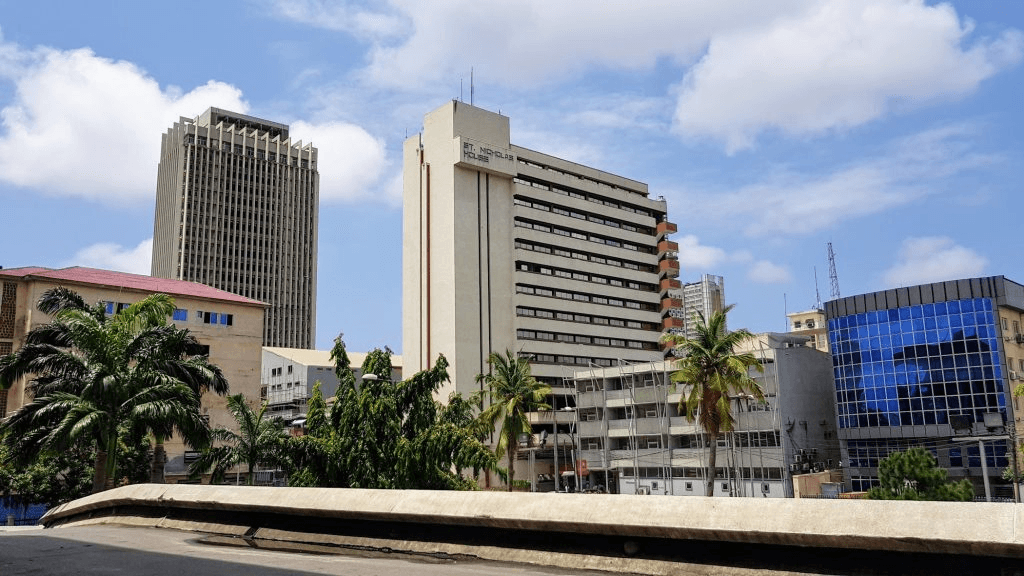
Living in Ibeju-Lekki in 2026 feels less like moving to a new neighbourhood and more like acquiring an early equity stake in the future of West Africa. This expansive district is the chosen home for forward-thinking professionals, industrial executives, and families seeking an entry point into the Lekki corridor without paying the exorbitant rental premiums of Lekki Phase 1, Eko Atlantic, or Ikoyi. You can spend your morning conducting high-stakes business near the industrial zone, your afternoon golfing on the championship courses of Lakowe Lakes, and your evening watching the sunset over an unpolluted Atlantic horizon. While central Lagos deals with soaring rental premiums and gridlocked urban decay, Ibeju-Lekki offers breathing room, hyper-modern master-planned estates, and an infectious sense of momentum.
The lifestyle here is defined by stark contrasts. On one hand, you are situated alongside massive global infrastructure projects such as the Dangote Refinery, the Lekki Free Trade Zone, and the deep-sea port, which drive immense economic energy. On the other hand, everyday residential life requires navigating a rapidly developing terrain where modern luxury estates stand shoulder-to-shoulder with unpaved secondary roads and emerging public utilities. Choosing Ibeju-Lekki means trading immediate central accessibility for space, modern estate layouts, and massive long-term value.
This comprehensive guide analyses every major cost category for an Ibeju-Lekki resident in 2026, offering a realistic blueprint for your monthly expenses.

Browse verified apartments in Ibeju-Lekki on Expert Listing today.
How much is the rent in Ibeju-Lekki?
In 2026, the rental market in Ibeju-Lekki is highly fragmented. Prices drop significantly the further you drive past the Eleko junction, but premium gated estates near major industrial hubs command a notable premium due to corporate demand.
2026 Ibeju-Lekki Rental Price Guide
| Property Type | Annual Rent Range | Monthly Equivalent |
| Studio / Self-Contain (Standard) | ₦500,000 – ₦1,000,000 | ₦41,600 – ₦83,300 |
| 1-Bedroom Apartment (Mini-Flat) | ₦1,000,000 – ₦1,800,000 | ₦83,300 – ₦150,000 |
| 2-Bedroom Flat (Gated Estate) | ₦1,800,000 – ₦3,200,000 | ₦150,000 – ₦266,600 |
| 3-Bedroom Apartment (Serviced) | ₦3,000,000 – ₦5,500,000 | ₦250,000 – ₦458,300 |
| 4-Bedroom Terrace / Duplex | ₦5,000,000 – ₦9,500,000 | ₦416,600 – ₦791,600 |
Three important things to note before renting in Ibeju-Lekki:
Properties located close to the Free Trade Zone axis are heavily marked up for corporate short-lets or expatriate housing. For affordable family living, focus your search on areas like Oribanwa, Awoyaya, or Lakowe.
A beautifully finished house might be cheap simply because the 500-meter access road connecting it to the Lekki-Epe Expressway becomes completely impassable during the rainy season.
Landlords in this axis aggressively demand a 10% agency fee, 10% legal fee, and a caution deposit that can equal up to 15% of the annual rent to safeguard against volatile utility consumption.
Service Charges and Estate Levies
Because municipal infrastructure from the local government is sparse, gated estates in Ibeju-Lekki operate like private mini-governments. Service charges are mandatory to fund basic services such as centralised security patrols, waste disposal, and street lighting.
In newer estates, these charges are kept lower by adopting a pay-as-you-go approach for power and water, but the basic monthly levy remains non-negotiable to maintain estate integrity.
A monthly estimate of service charge according to housing styles and property type:
| Building Type | Service Charge Range (Monthly) |
| Standard Gated Estate (Basic Security & Waste) | ₦25,000 – ₦45,000 |
| Mid-Tier Serviced Apartment (Water Treatment, Security) | ₦50,000 – ₦90,000 |
| Premium Golf/Industrial Estate (24/7 Premium Services) | ₦120,000 – ₦250,000 |
Generator Fuel
In Ibeju-Lekki, the national grid is highly inconsistent, with many new developments completely cut off from central power lines. Consequently, the true cost of living here is dictated by your fuel consumption pattern. With petrol prices sitting around ₦1,250/litre and diesel approaching ₦1,900/litre, relying purely on a conventional generator to power air conditioners and appliances is financially unsustainable.
A standard family household running a petrol generator for just 7 hours a night can easily spend ₦180,000 to ₦300,000 monthly on fuel alone. To survive here happily, moving into an estate with central power management or prioritising a solar-hybrid inverter setup, averaging an initial capital expense of ₦1.5M to ₦6M, is mandatory.
Food and Groceries in Ibeju-Lekki
The food market in Ibeju-Lekki is deeply tied to how close you are to localised major markets versus commercial hubs.
Supermarket Shopping: Everyday modern household items are sourced from regional malls and shopping centres like Novare Mall (Sangotedo border) or localised outlets like Blenco. Prices match standard city rates but add an indirect transport premium if you live deep in the interior.
Local Market Shopping: Savvy residents buy fresh seafood, tubers, and bulk produce directly from the Eleko Market or Bogije Market, capturing a 25% discount compared to city-centre prices due to proximity to local farms and coastal waters.
Eating Out: Fine dining options are scarce outside of premium resorts like Lakowe Lakes or La Campagne Tropicana, where a premium meal for two easily hits ₦45,000 – ₦80,000. Casual dining at local fast-food chains costs roughly ₦3,500 – ₦7,500 per meal.
Estimated Monthly Food Budget (2026),
| Household Type | Monthly Budget Estimate |
| Single Professional | ₦90,000 – ₦140,000 |
| Couple | ₦160,000 – ₦250,000 |
| Family of Three | ₦260,000 – ₦380,000 |
| Family of Four | ₦350,000 – ₦550,000 |
Transport in Ibeju-Lekki

Commuting is the primary lifestyle bottleneck in Ibeju-Lekki. If your economic life is tied to Victoria Island or Ikoyi, your transport budget will compete directly with your rent budget.
Personal Vehicle: Fuel and regular suspension wear-and-tear for a daily commute up the Lekki-Epe corridor averages ₦200,000 – ₦350,000 monthly.
Ride-Hailing: Traditional Uber and Bolt options operate here but feature long wait times and high surge pricing during peak hours. A single peak-hour trip to Lekki Phase 1 can cost ₦9,500 – ₦14,000.
Public Transport: Commercial Coaster buses and local mini-buses (Danfo) dominate the main expressway, moving commuters down to Ajah or CMS for ₦80,000 – ₦1,200 per trip, though it requires patience and physical stamina.
Monthly Transport Budget Estimates,
| Commute Pattern | Monthly Cost Estimate |
| Local Living (Work within Ibeju-Lekki/Refinery) | ₦50,000 – ₦90,000 |
| Daily Commute to Island (Private Vehicle) | ₦250,000 – ₦400,000 |
| Daily Commute to Island (Shuttlers/Transit Blends) | ₦90,000 – ₦140,000 |
Utilities: Internet & Additional Power
Data reliability depends entirely on infrastructure positioning. Gated estates along the expressway enjoy fibre optic coverage, while deep-frontier properties must rely heavily on satellite or mobile routers.
Fibre Internet: Providers like FiberOne and Spectranet offer unlimited home plans ranging from ₦25,000 to ₦55,000 monthly.
Starlink Stability: Because Ibeju-Lekki lacks towering skyscrapers, Starlink operates at peak efficiency here. Upfront equipment costs are high, but the monthly subscription of roughly ₦57,000 to ₦159,000 is considered essential by remote tech professionals and industrial contractors living in newer estates.
Grid Power Costs: For areas with access to Eko Electricity Distribution Company (EKEDC) infrastructure under Band B or C, tariffs are lower than GRA rates, resulting in standard monthly bills of ₦35,000 to ₦65,000, though power availability drops to 12–16 hours daily.
School Fees in Ibeju-Lekki

The educational layout in Ibeju-Lekki has expanded rapidly, moving away from a lack of quality choices to hosting major satellite campuses of top institutions and world-class universities like Pan-Atlantic University (PAU).
Premium & Higher Education Tier: Elite choices such as The Green Springs School (Lekki Campus boundary) or other higher education fees are priced for high-earning households, requiring substantial termly outlays or annualised tuition structures.
Mid-Tier Academic Options: Upwardly mobile families target structured private academies in Lakowe and Awoyaya that offer hybrid British-Nigerian curricula without charging full Island premiums.
School Tier & Fees (Per Term),
| School Tier | Fees Range (Per Term) |
| Premium International / Higher Ed | ₦1,800,000 – ₦4,500,000 |
| Mid-Tier Private Academy | ₦500,000 – ₦1,100,000 |
| Standard Local Private | ₦180,000 – ₦400,000 |
Household Help
Domestic help is highly accessible in Ibeju-Lekki due to proximity to border communities and local towns, presenting slightly lower salary baselines than central urban districts.
Live-in Housekeeper: Full-time domestic staff living on-site expect ₦55,000 – ₦85,000 monthly, managing daily cooking and general upkeep.
Daily Cleaner: On-call cleaning assistance typically costs ₦3,500 – ₦6,000 per visit, scaling based on apartment size.
Nanny or Childminder: Dedicated childcare options command ₦60,000 – ₦110,000 monthly, fluctuating based on experience and educational capability.
Security Guard: Standalone properties hire private guards for ₦50,000 – ₦80,000 monthly to secure gates and coordinate access.
Healthcare in Ibeju-Lekki

Healthcare infrastructure in Ibeju-Lekki has transitioned from rural clinics to advanced diagnostic outposts, meaning residents no longer need to rush to central Lagos for standard medical crises.
Private Healthcare Providers: Outposts of prominent networks like St. Nicholas (Ibeju-Lekki clinic) and specialised industrial emergency clinics service the area. General practitioner consultations cost between ₦12,000 and ₦20,000 out of pocket.
Health Insurance (HMO): Standard health insurance plans from Reliance or AXA cost roughly ₦120,000 – ₦350,000 annually per individual, which is highly recommended to offset emergency evacuation or specialist consultation costs.
Entertainment & Lifestyle
Lifestyle in Ibeju-Lekki balances serene, resort-style leisure with modern digital home life.
Resort & Outdoor Leisure: Social entertainment centres around coastal getaways and lifestyle communities. Day passes and activities at Lakowe Lakes Golf Resort or nearby beach clubs average ₦15,000 – ₦35,000 per visit.
Digital Entertainment Suite: Reliable home networks support standard multi-platform entertainment stacks, with Netflix, Prime Video, Showmax, and YouTube Premium, costing roughly ₦20,500 monthly.
Personal Care & Wellness: Neighbourhood grooming options feature professional male haircuts for ₦3,000 – ₦7,000, while comprehensive female salon services and aesthetic care range between ₦20,000 and ₦75,000. Although there are roadside options for men and women that could slash the cost in half.
Full Monthly Budget Summaries
The table below breaks down the total operational costs of living in Ibeju-Lekki in 2026 across three clear household profiles.
| Category | Single (1-Bed, ₦1.5M Rent) | Couple (2-Bed, ₦2.8M Rent) | Family of 4 (3-Bed, ₦4.8M Rent) |
| Rent (Monthly Equiv.) | ₦125,000 | ₦233,333 | ₦400,000 |
| Service Charge | ₦35,000 | ₦60,000 | ₦100,000 |
| Food & Groceries | ₦110,000 | ₦220,000 | ₦450,000 |
| Transport | ₦70,000 | ₦110,000 | ₦160,000 |
| Utilities & Internet | ₦45,000 | ₦70,000 | ₦110,000 |
| School Fees (Avg. Monthly) | ₦0 | ₦0 | ₦400,000 |
| Household Help | ₦0 | ₦0 | ₦70,000 |
| Entertainment/Misc | ₦45,000 | ₦75,000 | ₦110,000 |
| TOTAL MONTHLY | ₦430,000 | ₦768,333 | ₦1,800,000 |
How Ibeju-Lekki Compares to Nearby Places
Compared to Ajah and Sangotedo, Ibeju-Lekki offers significantly cheaper rent per square meter and far lower population density, translating to cleaner air and wider estate layouts. However, it lacks the immediate commercial saturation, shopping malls, and restaurant density found closer to Ajah.
Compared to Lekki Phase 1, renting a multi-bedroom duplex in Ibeju-Lekki costs less than a basic 1-bedroom mini-flat on the urban Island, making it the premier frontier for patient capital and space-conscious families.
Ready to plan your Ibeju-Lekki budget?
Every listing on Expert Listing includes verified pricing, real-time availability, and precise location data, including flood-risk signals.
Browse current apartments in Ibeju-Lekki and see what your budget actually buys you today.
Frequently Asked Questions
How bad is the industrial pollution from the Dangote Refinery?
The refinery and petrochemical complexes operate under strict emissions guidelines, and because the geographic region is vast, wind patterns blow industrial exhaust out toward the Atlantic Ocean. If you reside in residential hubs like Lakowe, Awoyaya, or Bogije, you are located 15 to 25 kilometres away from the heavy industrial zone, ensuring zero impact on your day-to-day air quality.
Is the Lekki-Epe Expressway traffic manageable for daily workers?
Morning bottlenecks occur primarily at the major roundabouts and intersections closer to Abraham Adesanya, Ajah, Chevron/Igbo-Efon and Jakande. If you hit the road before 5:45 AM or commute via corporate transit solutions like Shuttlers or your company buses, the trip is highly manageable. Alternatively, the ongoing road expansions along the corridor continue to ease traffic year-over-year.
Are Ibeju-Lekki properties prone to coastal flooding?
Planned master communities and high-end estates are built on elevated fill dirt with comprehensive internal drainage channels, keeping them completely dry. However, interior frontier lands require careful evaluation. Always use Expert Listing to review real-time terrain data and street-level flood signals before making any real estate decisions.
Is public electricity available, or must I provide my own power entirely?
Public electricity is available via EKEDC networks, but the consistency is lower than that of the dedicated Band A zones found in urban centres like Ikeja. Most neighbourhoods receive an average of 10–14 hours of power daily. For a seamless lifestyle, residents complement the public grid with solar inverter installations to eliminate a complete reliance on generator fuel.