Cost of Living in Magodo, Lagos (2026): Rent, Food, Transport & Utilities cost
Expert Listing
·
·
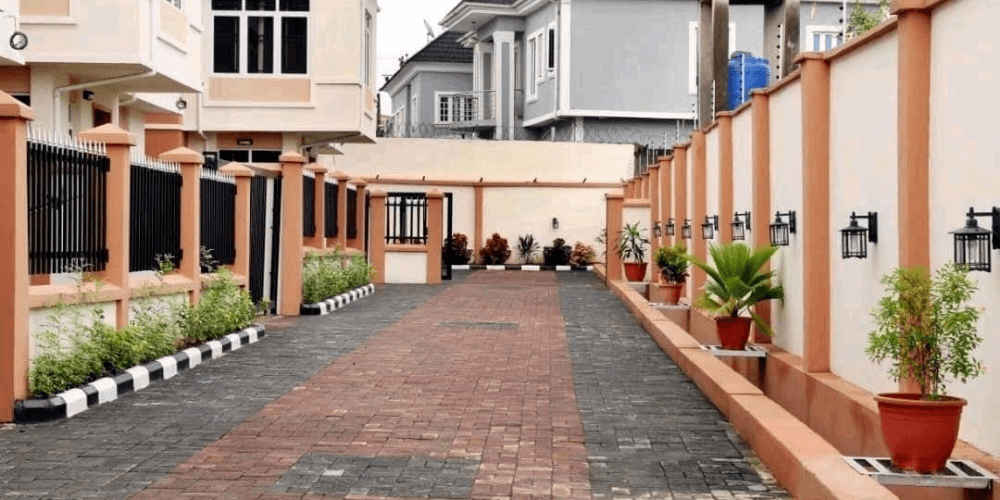
Magodo is often described as the Ikoyi of the Mainland. For many Lagosians, moving to Magodo Phase 1 or Phase 2 is the ultimate sign of arrival. It offers a rare combination in Lagos: relative security, paved roads, and a serene residential atmosphere that feels worlds away from the chaos of the Lagos-Ibadan Expressway just outside its gates.
However, the prestige of a Magodo address comes with a price tag that catches many off guard. While it is technically on the Mainland, its pricing structures, especially in Magodo Phase 2 (Shangisha), behave more like the Island. In 2026, the gap between Mainland prices and Magodo prices widened, driven by high demand from tech professionals, returning expats, and upwardly mobile families.
This guide provides a comprehensive, data-driven breakdown of the actual cost of living in Magodo in 2026. Whether you are eyeing a trendy studio or a sprawling 5-bedroom duplex, here is exactly what your monthly and annual budget will look like.

Browse verified apartments in Magodo on Expert Listing today.
How Much is Rent in Magodo?
Rent is the cornerstone of any Magodo budget. In 2026, Magodo Phase 2 remains significantly more expensive than Phase 1 due to its superior infrastructure and proximity to the Alausa Secretariat and Ikeja business hubs.
| Property Type | Annual Rent Range | Monthly Equivalent |
| Self-contained / Studio | ₦1,200,000 – ₦2,000,000 | ₦100,000 – ₦167,000 |
| 1-Bedroom Flat (Mini-flat) | ₦2,000,000 – ₦3,500,000 | ₦167,000 – ₦292,000 |
| 2-Bedroom Flat | ₦3,500,000 – ₦6,500,000 | ₦292,000 – ₦542,000 |
| 3-Bedroom Flat | ₦5,500,000 – ₦9,000,000 | ₦458,000 – ₦750,000 |
| 4-Bedroom Duplex | ₦10,000,000 – ₦25,000,000 | ₦833,000 – ₦2,083,000 |
| 5-Bedroom Duplex | ₦18,000,000 – ₦40,000,000+ | ₦1,500,000 – ₦3,333,000 |
Three important things about renting in Magodo
Like the rest of Lagos, landlords in Magodo almost exclusively demand 1 to 2 years of rent upfront. Even if the monthly equivalent looks manageable, you must have the total lump sum (plus 10% Agency and 10% Legal fees) ready before moving.
Magodo Phase 1 (Isheri) is generally 20-30% cheaper than Phase 2 (Shangisa). However, Phase 1 is more prone to traffic bottlenecks during rush hour, which is why Phase 2 commands such a high premium.
There is a massive stock of older legacy buildings in Magodo. A newly built or tastefully renovated apartment can cost ₦1.5 million more annually than an older unit on the same street.
Service Charges and Estate Levies in Magodo
In Magodo, your rent is rarely the final cost of housing. Most modern apartments and gated enclaves within the estate operate a serviced model. These charges cover security guards at the gate, street lighting, waste management (LAWMA), and the maintenance of common areas.
In Phase 2, especially, the Resident Association (MRA) is very active. Even if you live in a standalone house, you will be required to pay annual estate dues that fund the private security force and infrastructure repairs.
| Building Type | Monthly Service Charge Range |
| Older Standalone House (Estate Dues only) | ₦15,000 – ₦30,000 |
| Unserviced Flat (Shared Security/Cleaning) | ₦25,000 – ₦50,000 |
| Mid-tier Serviced Apartment | ₦60,000 – ₦120,000 |
| Premium Fully-Serviced Complex | ₦150,000 – ₦350,000+ |
Generator Fuel: The Hidden Utility Bill
Despite Magodo being on a relatively stable grid compared to other parts of Lagos, Lagos’s stability still means several hours of daily darkness. With petrol prices hovering around ₦950-₦1,100 per litre and diesel exceeding ₦1,300 per litre in 2026, power is a major line item in the budget.
Most residents use a hybrid system: grid power when available, and a personal generator or inverter for the gaps. If you are in a fully serviced building, you might pay power-by-the-hour for the central generator, which can cost between ₦1,000 and ₦2,500 per hour, depending on the size of your AC units.
For those running a personal 2.5kVA to 5kVA petrol generator for 4–6 hours daily, expect a monthly fuel bill of ₦80,000 to ₦150,000. Families running larger diesel generators for 24/7 cooling should budget significantly more. This has led to a massive surge in solar and inverter installations in the area as a cost-saving measure.
Food and Groceries in Magodo

Magodo residents have high standards for grocery shopping, and the local retail landscape reflects this.
Supermarket Shopping: Magodo is served by several mid-to-large supermarkets like Hubmart, Prince Ebeano, and various Spar outlets nearby. These are convenient but carry a convenience tax. A typical weekly shop for a family of four here ranges from ₦60,000 to ₦100,000.
Local Market Shopping: For those looking to save, the Mile 12 Market is a short drive away. Buying tubers, grains, and proteins in bulk here can slash your food budget by 30-40% compared to supermarkets. Within Magodo itself, there are smaller wet markets for daily needs, but prices are slightly marked up.
Eating Out: Magodo’s restaurant scene is thriving. From casual spots on Bashiru Shittu to premium dining, a meal for one ranges from ₦5,000 (casual) to ₦25,000+ for fine dining.
| Household Type | Cooking at Home Mostly | Mixed (Home + Eating Out) |
| Single Professional | ₦50,000 – ₦85,000 | ₦100,000 – ₦180,000 |
| Couple | ₦80,000 – ₦140,000 | ₦160,000 – ₦280,000 |
| Family of Three | ₦110,000 – ₦180,000 | ₦220,000 – ₦380,000 |
| Family of Four | ₦140,000 – ₦220,000 | ₦280,000 – ₦500,000 |
Transport in Magodo
Magodo’s location is its biggest asset, but the cost of movement has skyrocketed.
Personal Vehicle: If you commute to Ikeja or the Secretariat, fuel costs are manageable. If you commute to the Island (VI/Lekki), you are looking at a ₦110,000 – ₦180,000 monthly petrol bill for a mid-sized SUV, given the idle time in traffic.
Ride-Hailing: Uber and Bolt are ubiquitous. A trip to Ikeja City Mall costs roughly ₦3,500 – ₦6,000. For 9-5 workers, Shuttlers has become a lifesaver, offering air-conditioned bus rides to the Island for roughly ₦2,500 – ₦4,500 per trip.
BRT & Public Transport: The BRT terminal at Berger or Ojota serves Magodo residents. It is the most affordable way to travel, with fares to the Island costing around ₦1,200 – ₦1,800.
| Commute Pattern | Monthly Transport Cost |
| Personal Vehicle (Local/Ikeja commute) | ₦60,000 – ₦100,000 |
| Personal Vehicle (Daily Island commute) | ₦150,000 – ₦250,000 |
| Ride-hailing (Daily mixed use) | ₦180,000 – ₦350,000 |
| Shuttlers + BRT (Island Worker) | ₦70,000 – ₦110,000 |
| Work From Home / Minimal Travel | ₦25,000 – ₦50,000 |
Utilities: Internet & Additional Power Cost
In 2026, a reliable internet connection is non-negotiable. Magodo is well-covered by Fibre-to-the-Home (FTTH) providers like FiberOne, Tizeti, and ipNX, as well as Starlink. A standard monthly unlimited fibre plan costs between ₦25,000 and ₦55,000.
Electricity bills from IKEDC (Ikeja Electric) for those on the Band A feeders (which Magodo mostly falls under) are high. Expect to pay ₦40,000 – ₦90,000 per month for a 3-bedroom apartment if you use your ACs regularly.
When you add internet, prepaid power, and the occasional water delivery (if your borehole needs treatment), the total monthly utility spend for a typical household sits between ₦80,000 and ₦150,000.
How much are School Fees in Magodo?

Magodo is a family-centric estate with some of the best private schools on the Mainland. Fees are typically paid per term (3 terms per year).
| School Tier | Termly Fees Range (Per Child) |
| Entry-level Private | ₦150,000 – ₦350,000 |
| Mid-tier Established | ₦400,000 – ₦850,000 |
| Premium / International Curriculum | ₦1,000,000 – ₦2,500,000+ |
For a family with two children in a mid-tier school, the annual education cost is approximately ₦3.6 million, which must be factored into the annual lump sum planning alongside rent.
Household Help
Magodo lifestyles often require support staff. In 2026, following minimum wage adjustments and inflation, rates have risen.
Live-in Housekeeper/Cook: ₦50,000 – ₦90,000 per month (plus feeding/lodging).
Daily Cleaner (Part-time): ₦20,000 – ₦45,000 per month.
Nanny or Childminder: ₦55,000 – ₦100,000 per month.
Security Guard (Private): ₦45,000 – ₦75,000 per month.
Healthcare in Magodo
Residents mostly use private clinics like Magodo Specialist Hospital or the various high-end pharmacies and hospitals within the Isheri/Olowoora/Shangisa axis, before considering options around Ikeja.
Health Insurance (HMO): An individual mid-range private HMO plan in 2026 costs between ₦80,000 and ₦250,000 annually. Without insurance, a standard general consultation costs ₦10,000 – ₦25,000, and basic lab tests can easily add another ₦30,000. For a family, maintaining a monthly healthcare buffer of ₦40,000 is a prudent move for out-of-pocket expenses.
Entertainment & Lifestyle
Magodo is a quiet estate, but it is surrounded by noise. Most entertainment happens in nearby Ikeja (Ikeja City Mall, Allen Avenue) or within the estate’s private lounges.
Gym Membership: Quality gyms in Magodo Phase 2 cost ₦25,000 – ₦55,000 per month.
Streaming Services: A bouquet of Netflix, Showmax (for EPL football), Prime Video, and YouTube Premium totals roughly ₦15,000 – ₦25,000 per month.
Personal Care: A standard men’s haircut in a Magodo barbershop is ₦3,000 – ₦7,000, while women’s hair styling starts from ₦15,000 and can go up to ₦150,000 for premium installations, home service, and
Full Monthly Budget Summaries
| Category | Single 9-5’er (1-Bed, ₦2.5M Rent) | Couple (2-Bed, ₦4.5M Rent) | Family of 4 (3-Bed, ₦7M Rent) |
| Rent (Monthly) | ₦208,000 | ₦375,000 | ₦583,000 |
| Service Charge | ₦40,000 | ₦70,000 | ₦100,000 |
| Food & Groceries | ₦120,000 | ₦220,000 | ₦350,000 |
| Transport | ₦60,000 | ₦90,000 | ₦120,000 |
| Utilities & Internet | ₦45,000 | ₦75,000 | ₦110,000 |
| School Fees (Avg.) | ₦0 | ₦0 | ₦400,000 |
| Household Help | ₦0 | ₦30,000 | ₦80,000 |
| Entertainment/Misc | ₦50,000 | ₦80,000 | ₦100,000 |
| TOTAL MONTHLY | ₦523,000 | ₦940,000 | ₦1,843,000 |
How Magodo Compares to Nearby Places
Magodo is the undisputed Mainland King, but how does it compare to its neighbours?
Omole Phase 2: Very similar in pricing and vibe, though Magodo Phase 2 is often considered slightly more prestigious and easier to access from the expressway.
Ikeja GRA: Ikeja GRA is significantly more expensive, with 3-bedroom flats often starting at ₦12,000,000, but it offers closer proximity to the airport and business districts.
Gbagada is much more affordable, with a ₦2.5M – ₦4M for a 3-bed), but lacks the gated security and exclusivity that Magodo provides.
Ready to Plan Your Magodo Budget?
The first step to living in Magodo is finding a home that fits your financial reality. Every listing on Expert Listing includes verified pricing, real-time availability, and precise location data, including flood-risk signals to ensure you aren’t renting a swimming pool in the rainy season.
Browse current apartments in Magodo and see what your budget actually buys you today.
Frequently Asked Questions (FAQs)
Are Magodo Phase 1 and Phase 2 the same in terms of cost?
No. Magodo Phase 2 (Shangisha) is generally more expensive. It has better roads, tighter security, and more high-profile residents. Rent in Phase 1 (Isheri) can be 15-25% lower, but you may face more traffic congestion during peak hours.
What is the minimum monthly income needed to live in Magodo Phase 2?
For a single professional in a mini-flat, a monthly take-home of ₦700,000 is the recommended floor to live comfortably. For a family of four, you would realistically need a combined household income of ₦2.5 million per month to cover rent, school fees, and the high cost of power/utilities.
Are there issues with flooding in Magodo?
Magodo is generally hilly, so many parts are flood-free. However, certain areas near the wetlands or valley in both Phase 1 and Phase 2 can experience issues during heavy downpours. Always check the specific street’s history before committing.
How is the security in Magodo in 2026?
Magodo remains one of the safest places on the Mainland. Access is restricted at night, and the local associations employ private security to patrol the streets. While not 100% immune to the broader Lagos security climate, it is significantly safer than surrounding areas like Ojota or Ketu.