Guide to Renting in Awoyaya, Lagos: Everything You Need to Know Before You Move
Expert Listing
·
·
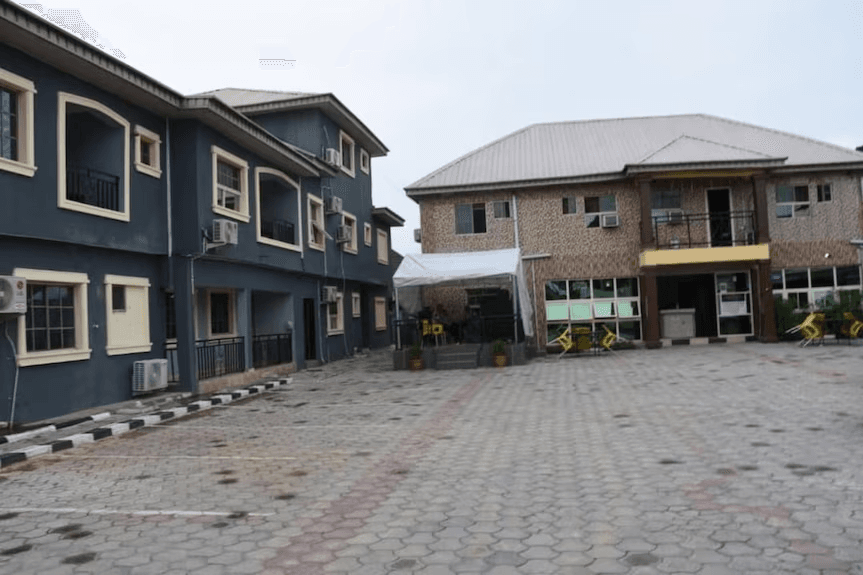
Awoyaya represents the current frontier of the Lekki-Epe corridor, offering a compelling proposition for renters who prioritise space and modern housing stock over proximity to the Lagos business hubs. It is an area that rewards those seeking a suburban lifestyle with a significantly lower price per square meter than Ajah or Sangotedo, but it is also an environment that punishes the unprepared.
The core risk here is the trade-off between residential comfort and the physical toll of a Lekki-Epe Expressway commute that is increasingly defined by ongoing regional infrastructure projects.
This guide covers how to choose the right estate or building within the diverse Awoyaya landscape, what the rental market looks like in 2026, and the specific checks required before committing to a lease.
It details the questions to ask that agents rarely volunteer answers to and distinguishes between apartments that offer genuine value and those that carry hidden costs in maintenance and access. Renters will find the honest intelligence needed to determine if the suburban shift to Awoyaya aligns with their professional and personal requirements.

Browse verified, physically inspected apartments in Awoyaya here:
Why People Choose Awoyaya
The decision to rent in Awoyaya almost always comes down to one of three things, and knowing which one applies to you shapes everything else about your approach.
The first is Affordability. Renters in this category are often moving further down the Lekki-Epe axis to maintain a specific standard of living that has become priced out in areas like Chevron or Ikate. In Awoyaya, the same budget that secures a cramped, older mini-flat in Ajah often yields a brand-new, spacious two-bedroom apartment within a gated community. This profile accepts the longer commute as a necessary exchange for a home that does not feel like a compromise on quality or dignity.
The second is Space. This motivation drives growing families and remote professionals who require larger floor plans and more serene surroundings than the high-density zones of central Lekki can provide. Awoyaya offers a higher concentration of three-bedroom and four-bedroom options, often with dedicated parking and green areas that are rare in the more congested parts of the Island. For those who spend 90% of their time within their home, the geographic distance from the city centre is secondary to the cubic footage and quietude of the immediate environment.
The third is Security. Many renters are drawn to Awoyaya specifically because of the proliferation of structured, gated estates like Mayfair Gardens and Meridian Park. These developments provide a level of controlled access and internal security that is difficult to find in standalone buildings in more developed but less organised neighbourhoods.
This profile prioritises the peace of mind that comes with 24-hour gate security and a community-managed environment, viewing the estate’s perimeter as a shield against the general unpredictability of Lagos living.
If none of these three things describes your situation, Awoyaya is probably not the right address for you – and it is worth being honest about that before you invest time in the search.
Understanding the Awoyaya Rental Market
The Awoyaya rental market is sharply divided between two primary tiers: the established gated estates and the emerging standalone developments on the residential fringes.
The first tier consists of premium and mid-range gated estates, which define the area’s reputation for suburban comfort. These properties offer structured management, central water treatment, and varying degrees of power support, ranging from 24-hour solar-inverter setups to shared generator schedules.
The typical tenant profile here includes corporate professionals, expatriates, and middle-class families who value administrative order. These estates provide the most consistent experience in Awoyaya, as the management handles everything from waste disposal to security, though this comes at the cost of higher service charges.
The second tier comprises standalone buildings and smaller, unmanaged mini-estates located further from the main expressway or within the “Ologunfe” and “Gbetu” residential axes. While these units are often brand new and feature modern POP ceilings and tiling, they lack the collective infrastructure of the major estates. Tenants here are responsible for their own security, water pumping, and waste management. While the rent is lower, the value proposition is often eroded by the hidden costs of individual fuel consumption for generators and the lack of organised drainage on the access roads leading to these properties.
The honest recommendation for most renters is to target the managed estate tier. Attempting to maximise the price advantage of Awoyaya by opting for a standalone building often results in a frustrating experience where the nominal savings are lost to the logistical friction of the area. Awoyaya is at its best when the infrastructure is communal; going too cheap usually means inheriting the responsibility for a drainage and security system that does not yet exist on the open streets.
Current Rent Prices in Awoyaya (2026)
Understanding the current market range helps a renter identify a fair asking price versus an overpriced or suspiciously underpriced listing.
The 2026 rental figures show that a standard two-bedroom apartment in a well-managed Awoyaya estate typically ranges from ₦1,500,000 to ₦2,200,000 per annum. In contrast, similar units in standalone buildings or less structured zones may list for ₦1,100,000 to ₦1,300,000. This monthly differential of ₦35,000 to ₦75,000 is the “management premium.”
For this extra spend, a renter moves from a situation where they must personally manage security and borehole repairs to a serviced environment where power reliability and perimeter safety are handled by a dedicated team. For three-bedroom apartments, the better tier commands ₦2,200,000 to ₦3,500,000, while the lower tier stays closer to ₦1,600,000.
Upfront payment remains the standard in Awoyaya, with most landlords expecting one year of rent in advance. While some newer, corporate-managed developments are beginning to experiment with quarterly or monthly structures to attract long-term tenants, these remain the exception.
Given the high demand for quality stock, the market moves quickly; a well-priced unit in a prime estate like Mayfair Gardens or Meridian Park rarely stays on the market for more than 14 days, making it essential to have your total package – including agency, legal, and caution fees – ready before starting physical inspections.
How to Choose the Right Estate or Building in Awoyaya
Choosing the specific estate or building is the most important decision in the entire renting process in Awoyaya. Most first-time renters in this area underweight the impact of estate management, only to discover later that the beauty of an apartment cannot compensate for a failed water system or a security gate that remains open all night.
The primary variable in choosing is the quality of property management. A well-managed property in Awoyaya is distinguishable by the consistency of its utility services and the enforcement of community rules. You should look for evidence of active maintenance, such as clean communal areas and functioning street lights, which indicate that the service charges are being utilised effectively. In a poorly managed estate, the “service charge” often becomes a black hole of unaccounted expenses, leading to frequent outages and security lapses that the landlord may be unwilling or unable to resolve.
Questions to ask every estate management, landlord, or agent before committing:
- What is the specific schedule for the shared generator, and what was the total monthly fuel levy for a unit of this size over the last three months?
- Is the water supply treated centrally, or is each building responsible for its own borehole and filtration system?
- What is the exact process for logging a maintenance request, and is there a documented turnaround time for urgent repairs like plumbing or electrical faults?
- How is security handled at the estate gate, and are there recorded incidents of unauthorised access or theft within the last twelve months?
- Are there any outstanding debts on the property’s electricity meter or communal service charge accounts that need to be cleared before I move in?
Beyond these questions, a physical flood profile check is mandatory. Ask specifically if the estate or the access road leading to it has flooded in the last two rainy seasons, and check the ground-floor units for watermarks on the exterior walls. Visit the property in the evening or on a weekend to see how the neighbourhood functions when everyone is home. An evening visit reveals the true noise levels, the adequacy of the parking, and the actual uptime of the neighbourhood’s power infrastructure.
Finally, talk to current residents. A brief conversation with someone washing their car or walking to the estate gate is worth more than any agent’s assurance. Ask them if the water is consistently clean and if the estate management actually does what they claim to do. Most residents will be honest about the frustrations they face, giving you a clearer picture of what your daily life will look like once the honeymoon period of a new lease wears off.
The Commute Question: Being Honest With Yourself
The commute is the most common source of renter regret in Awoyaya. This is not because the area is fundamentally flawed, but because the cumulative time cost of navigating the Lekki-Epe Expressway compounds over months in a way that a single weekend test drive cannot capture.
The honest numbers in 2026:
To Victoria Island under light traffic (Sunday morning): 45 minutes.
To Victoria Island during peak hours (6:30 am–9:00 am): 1.5 – 2.5 hours, depending on the status of the Ajah Flyover and Sangotedo bottlenecks.
To Lekki Phase 1 under light traffic (late night): 35 minutes.
To Lekki Phase 1 during peak hours (7:00 am –10:00am): 1 hour 20 minutes – 2 hours.
To Chevron/Orchid Area under light traffic: 25 minutes.
To the Chevron/Orchid Area during peak hours: 50 minutes – 1 hour 15 minutes.
If your office is in Victoria Island or Ikoyi, the commute is demanding and potentially exhausting. You are looking at a minimum of three to four hours spent in transit daily. Unless you have a flexible start time or a driver, this pace is difficult to sustain for years without a significant impact on your mental and physical health.
If your office is in the Chevron, VGC, or Eleganza axis, the commute is manageable and represents a fair trade for the lower rent. You will still face congestion at the Sangotedo and Ajah points, but the total time spent in traffic is halved compared to the trip to the city centre.
If your office is on the Mainland or in Ikeja, Awoyaya is not the right address for you unless you work almost entirely remotely. The logistics of crossing the Third Mainland Bridge or the Eko Bridge after navigating the Lekki-Epe corridor are prohibitive for a daily 9-to-5 schedule.
Flooding in Awoyaya: What You Need to Know Before You Sign
Flooding in Awoyaya is a serious concern that is frequently underweighted by renters, particularly those who conduct their searches during the dry season. The area’s terrain is relatively flat, and its rapid development has often outpaced the construction of a comprehensive, engineered drainage network.
The structural reason for this risk is the lack of a secondary drainage system to carry water from individual estates to the primary channels. During significant rainfall events, vulnerable parts of Awoyaya, specifically those closer to the Ologunfe and Gbetu axes, experience localised flooding where water remains on the roads for days. This can lead to restricted road access for smaller vehicles and, in extreme cases, the flooding of car parks and ground-floor apartments that were built below the road level.
Conversely, newer developments on higher ground and the established “Tier 1” estates fare substantially better. These areas were designed with internal drainage systems that move water away from residential structures into designated catchment areas. Renting in these zones significantly reduces the risk of property damage, although you may still face “commuter flooding” where the access roads to your estate become difficult to navigate.
Expert Listing maps flood-risk signals for individual listings based on precise location data. This is the most reliable way to assess a specific apartment’s flood profile rather than relying on the agent’s description of the area or your own dry-season impression of the terrain. Do not rent a ground-floor unit in Awoyaya without specific confirmation, backed by data and resident testimony, that the estate does not flood.
The Impact of Meadows Mall and Commercial Anchors
The arrival of the Meadows Mall and the expansion of the commercial cluster opposite Coscharis Motors have materially changed the liveability of Awoyaya. Before these developments, residents were forced to travel back toward Sangotedo or Ajah for basic retail needs, cinemas, and structured shopping experiences. This “lifestyle commute” added hours of traffic to even simple weekend errands, making Awoyaya feel like a remote outpost rather than a self-sufficient suburb.
Today, the area has a concrete commercial anchor that provides everything from international retail brands to modern grocery stores and entertainment. This has decentralised the lifestyle cost of living in Awoyaya; residents no longer need to brave the Lekki-Epe Expressway just to buy quality household goods or take their families to a restaurant. The area now functions as a micro-city, allowing those who live and work within the corridor to avoid the most congested parts of the highway for weeks at a time.
For the renting decision, this means that the geographic distance from Victoria Island is no longer an indicator of isolation. The increased self-sufficiency of Awoyaya makes it a much more viable long-term home for families who want to build a life within their immediate neighbourhood. It changes the calculation from “how far am I from the city?” to “how much do I actually need to leave my area?”, making the suburban trade-off significantly more attractive than it was five years ago.
Things to Confirm Before Renting Any Awoyaya Lease
These items are in addition to the estate management questions already covered; they represent the lease-level due diligence required to protect your interests.

The full monthly cost. Ask for a complete breakdown of the monthly rent equivalent, the generator fuel levy, and the service charge. In Awoyaya, these additional costs can easily total ₦40,000 to ₦100,000 per month above the base rent. It is essential to get these figures in writing before signing, as many estates increase levies mid-year based on diesel prices or maintenance emergencies.
The lease terms on renewal and notice. Standard leases in this area require a 3-month or 6-month notice period for termination. You must confirm whether the landlord has the right to a fixed %age escalation at renewal or if the rent will be subject to a market rate review. In a high-inflation environment, a “market rate review” often results in 20% to 30% jumps that catch unprepared tenants by surprise.
The deposit and its conditions for return. Most Awoyaya landlords charge a caution deposit of 10% of the annual rent. You must ensure the lease clearly documents the conditions under which this is refundable. Take photos of the apartment’s condition on the day you receive the keys and have the agent sign off on any existing defects to ensure you are not charged for them when you eventually move out.
Maintenance responsibilities. In this market, there is often a grey area regarding who handles “wear and tear.” Confirm in writing that major structural, plumbing, and electrical issues are the landlord’s responsibility, while the tenant handles internal fittings like bulbs and faucets. Be wary of clauses that transfer borehole pump or external painting costs to the tenant, as these are common points of dispute in Awoyaya.
Internet and Remote Work Infrastructure. While mobile data is generally stable, the availability of fibre-to-the-home (FTTH) varies wildly by estate in Awoyaya. If you work remotely, you must confirm if the estate has an existing partnership with a fibre provider like FiberOne or ipNX. Relying on a mobile hotspot in certain pockets of Awoyaya can be unreliable due to signal interference from the area’s rapid, dense construction.
Ready to Find Your Apartment in Awoyaya?
Every listing on Expert Listing is physically inspected and document-verified before going live. Flood risk is mapped at the individual listing level. Listings are removed the moment they are rented or sold.
Frequently Asked Questions
What is the best street or zone within Awoyaya to rent in?
The best zone is generally considered to be the area surrounding Mayfair Gardens and the Meadows Mall axis. These zones offer the best road access and are closest to the commercial heart of the suburb, minimising the time spent on internal unpaved roads. Estates like Meridian Park and various gated communities along the Gbetu New Road are also highly rated for their security and relatively modern infrastructure.
Is Awoyaya a good place to rent in Lagos?
Awoyaya is an excellent choice for renters who prioritise space, modern housing, and a secure community environment over a short commute to the city centre. It offers some of the best value-for-money on the Lekki-Epe corridor, provided the renter chooses a well-managed estate and understands the logistical demands of the expressway. For families and remote workers, it provides a quality of life that is difficult to replicate at the same price point closer to the Island hubs.
How is the electricity supply in Awoyaya?
The electricity supply from the national grid is inconsistent, which is typical for the Lekki-Epe axis. Most residents rely heavily on a combination of petrol or diesel generators and solar-inverter systems. Renters should prioritise apartments in estates that offer a shared power schedule or units that come pre-installed with inverter systems to mitigate the high cost of individual power generation.
Does Awoyaya flood?
Like many parts of the Lekki peninsula, Awoyaya has areas that are prone to flooding, particularly during the peak of the rainy season. However, the risk is highly localised. Properties on higher ground and those within estates with engineered drainage systems remain dry, while standalone buildings on lower-lying streets may experience waterlogging. Using Expert Listing’s flood-risk mapping is the best way to verify the safety of a specific property.
What are the schools like in Awoyaya?
Awoyaya is home to several reputable private schools, including branches of well-known Lagos institutions like Greensprings School. This makes it a preferred destination for families who want high-quality education for their children without having to commute back toward the city. The presence of these schools has been a major driver in the area’s development as a family-oriented residential hub.
How do I get public transport from Awoyaya?
Public transport is primarily served by the commercial buses and “Korope” (mini-shuttles) that ply the Lekki-Epe Expressway. There are also designated parks for taxis and ride-hailing services like Uber and Bolt, which are active in the area. While there is no dedicated BRT lane this far down the corridor yet, the ongoing road expansions are designed to improve the flow of public transportation for residents.