Ajah vs Ikorodu: Which Is Better for Renting in Lagos?
Expert Listing
·
·
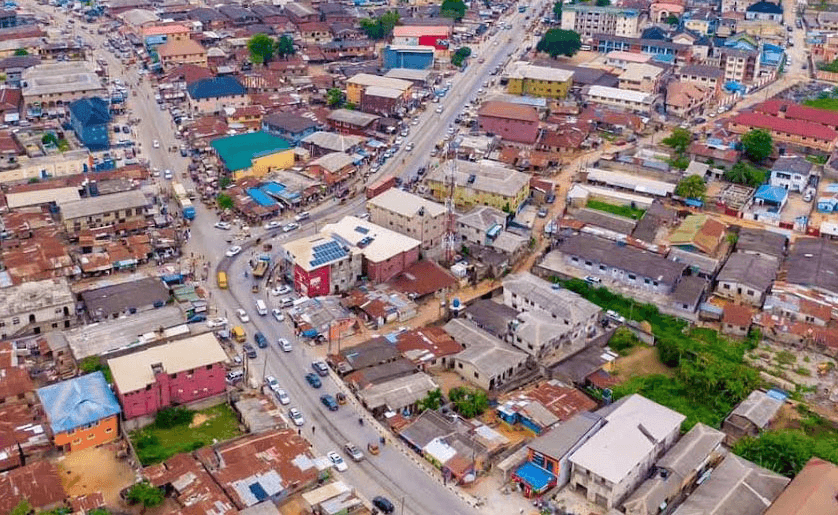
The comparison between Ajah and Ikorodu is one of the most frequent debates for middle-income earners looking for a home in Lagos. Both areas serve as major residential hubs that promise an escape from the astronomical rents of the central business districts, yet they sit on geographically opposite sides of the Lagos map. While one is the gateway to the rapidly developing Lekki-Epe corridor, the other is the historic power centre of the Lagos Mainland outskirts. Choosing between them is rarely about which area is “better” in a vacuum, but rather which one aligns with the reality of your daily life.
Most people frame this comparison wrongly by focusing solely on social prestige or the simple “Island vs. Mainland” dichotomy. The assumption is often that Ajah is inherently more modern, while Ikorodu is strictly traditional. In 2026, these stereotypes have blurred. Ikorodu has seen significant infrastructure upgrades and a surge in modern gated estates, while Ajah has grappled with the growing pains of rapid, sometimes unplanned urbanisation.
The real question you must ask is not which neighbourhood looks better on a map, but where your workplace is located, what your actual monthly transport budget looks like, and how much “Lagos stress” you are willing to tolerate. A cheaper house in Ikorodu can become the most expensive mistake of your life if you work in Lekki Phase 1, just as an apartment in Ajah can be a nightmare for someone whose business is rooted in Ikeja or Magodo.
This guide provides a definitive, data-driven breakdown of Ajah and Ikorodu as they stand in 2026. We will look at verified rental figures, actual commute times, including the growing water transportation options, lifestyle amenities, and the crucial factors of security and flood risk that define the Lagos living experience.

The Short Answer
If you work in or on the Lekki Peninsula, Victoria Island, or Ikoyi, Ajah is your logical choice. While the commute remains a challenge during peak hours, the proximity to the Island’s economic hub makes it more sustainable than attempting to cross the city from the Mainland every day.
If you work in or on Ikorodu, Maryland, Ikeja, or even parts of the Lagos Mainland like Surulere, Ikorodu offers far better value for your money. The rental savings are significant enough to allow for a higher quality of life, provided your primary commute does not require crossing the lagoon to the Island daily.
If you work on the Mainland but want an “Island feel,” you might be tempted by Ajah, but Ikorodu’s modern estates, like those in Ebute or Igbogbo, now offer a comparable serene environment with significantly less “bridge traffic” for Mainland workers.
If you are choosing between the two primarily on lifestyle or address grounds, this guide will help you understand that Ajah offers higher proximity to high-end entertainment and retail, while Ikorodu offers a more grounded, community-focused residential experience with a lower cost of living.

Rent Comparison
In 2026, the rental gap between Ajah and Ikorodu remains one of the widest in the Lagos metropolitan area. While Ajah prices are driven by the “Lekki proximity” factor, Ikorodu prices are influenced by its vast landmass and its status as a high-volume residential market.
Ikorodu rent (2026):
| Property Type | Annual Rent Range |
| 1-Bedroom Flat | ₦450,000 – ₦800,000 |
| 2-Bedroom Flat | ₦750,000 – ₦1,400,000 |
| 3-Bedroom Flat | ₦1,200,000 – ₦2,200,000 |
| 4-Bedroom Duplex/Penthouse | ₦2,500,000 – ₦4,500,000 |
Want to live in Ikorodu? Check our guide to renting an apartment in Ikorodu
Ajah rent (2026):
| Property Type | Annual Rent Range |
| 1-Bedroom Flat | ₦1,200,000 – ₦2,500,000 |
| 2-Bedroom Flat | ₦2,200,000 – ₦4,000,000 |
| 3-Bedroom Flat | ₦3,500,000 – ₦6,500,000 |
| 4-Bedroom Duplex/Penthouse | ₦6,500,000 – ₦12,000,000 |
Want to live in Ajah? Check our guide to renting an apartment in Ajah
The rent in Ajah typically represents a 200% to 300% premium over comparable units in Ikorodu. A standard 3-bedroom flat in a serviced estate in Ajah can easily cost triple what a similar unit costs in a well-secured part of Ikorodu like Igbogbo or Ebute. The premium for Ajah is primarily driven by its geographical connection to the Island’s corporate world and the higher concentration of modern serviced estates like Thomas Estate and Abraham Adesanya.
It is crucial to note the “hidden” costs of renting in these areas. In Ajah, service charges in gated estates can add another 25% to 40% to your headline rent, covering security, waste management, and the “generator levy” for estates with centralised power. In Ikorodu, while service charges are generally lower, you may find yourself spending more on individual home security and private power solutions if you are not in one of the newer, managed estates.

Commute Comparison
The commute is the single most important factor for any Lagosian. In 2026, infrastructure developments like the expanded Lekki-Epe Expressway and the increased frequency of the Lagos Ferry Services (LagFerry) have changed the dynamics, but the core challenges remain.
If you work in or on Ajah:
Living in Ajah means a negligible commute of 10 to 20 minutes to work. However, if you live in Ikorodu and work in Ajah, you face a gruelling journey. By road, this involves navigating through Ketu, Oshodi, and then the length of the Lekki-Epe Expressway, which can take 3 to 4 hours during peak periods. The only sane alternative is the ferry from Ikorodu (Ebute) to Ajah (Badore), which takes approximately 25 to 40 minutes, though this requires consistent weather and operational ferry schedules.
If you work in or on Ikorodu:
Living and working within Ikorodu is relatively stress-free compared to the Lagos average, with most internal commutes taking under 30 minutes. Commuting from Ajah to Ikorodu is “against the traffic” in the morning, but the sheer distance and the bottlenecks at various points along the road make it a 2-hour journey even on a good day.
If you work on the Mainland (Ikeja/CBD):
Ikorodu has the clear advantage here. With the BRT corridor functioning at high capacity, a trip from Ikorodu to Ikeja can take 60 to 90 minutes in peak hours. From Ajah, you must cross the entire Lekki corridor and either the Third Mainland Bridge or the Carter Bridge. This commute is notoriously unpredictable and can easily exceed 3 hours during the morning rush.
Verdict on commute: Ikorodu offers better access to the Mainland via road and BRT, while Ajah is exclusively better for those whose lives revolve around the Island.

Lifestyle and Social Infrastructure
The lifestyle gap between the two areas reflects their different stages of commercial evolution. Ajah has seen a massive influx of “Island-style” leisure, while Ikorodu maintains a more traditional, suburban community feel with pockets of modern entertainment.
Ikorodu’s social scene is centred around local favourites and a few established hubs. The Jubilee Chalets in Epe (accessible from Ikorodu) and the Fun City amusement park provide family outings. Dining is dominated by established names like The Winehouse Lounge and various local eateries that offer a more communal atmosphere. For shopping, the Meroe Mall serves as a central point for residents. The lifestyle here is less about “being seen” and more about community and local convenience.
Ajah, by contrast, feels like an extension of the Lekki lifestyle. It is home to the Sky Mall and the Novare Mall (Sangotedo), which house international brands, cinemas, and high-end grocery stores. Named venues like D’Dems Entertainment and a plethora of upscale bars and lounges along the Addo Road and Abraham Adesanya axis cater to a younger, corporate-leaning demographic. You are also much closer to the private beaches along the coast, such as Atican Beach and Barracuda Beach.
The honest gap is one of variety and “polish.” Ajah offers a higher density of western-style leisure options, whereas Ikorodu’s social life is more segmented and traditional, though rapidly modernising in the Ebute and Ibeshe areas.
Verdict on lifestyle: Ajah is the winner for those who prioritise modern retail, nightlife, and proximity to beaches, whereas Ikorodu is better for a quieter, more budget-friendly suburban life.

Flooding Risk
Flooding remains a critical concern for Lagos residents. In 2026, both areas have specific vulnerabilities that renters must investigate before signing a lease.
In Ikorodu, flooding is often localised to areas with poor drainage or those near the shoreline. Sections of Owode-Onirin and parts of Ibeshe can experience significant flash flooding during the peak rainy seasons of April–July and September–October. However, much of Ikorodu sits on higher ground than the Island, meaning that once you move away from the immediate lagoon front, the “sinking” feeling prevalent in some Island areas is less common.
Ajah, however, is notoriously prone to drainage issues. Being part of the Lekki peninsula, it has a high water table. Areas like Addo Road, parts of Badore, and some sections of the Lekki-Epe Expressway around the Ajah Jubilee Bridge are known to experience severe flash flooding that can submerge cars and ground-floor apartments. The government introduced AI-monitored drainage systems in 2026, but the sheer volume of rainfall often overwhelms the local infrastructure.
It is essential to verify flood risk at the individual listing level. Expert Listing maps flood-risk signals at the listing level to help you identify “dry” estates even in “wet” neighbourhoods.
Verdict on flooding: Ikorodu generally has more “naturally dry” land due to its elevation, while Ajah requires extremely careful selection of specific estates to avoid seasonal water displacement.
Safety and Security
Security in Lagos is often a matter of the specific estate you choose rather than the general area.
Ikorodu’s security profile is a mix of traditional community policing and private estate arrangements. While the area has faced challenges with cult-related activities in the past, the 2026 security landscape is much more stable due to increased police presence and the “Onyabo” local security groups. Estates in Igbogbo and Ebute are often well-gated with 24-hour private guards, providing a high level of safety for families.
Ajah benefits from a higher concentration of “institutional” security. Because it is a high-rent area, most estates (like Thomas Estate or Royal Garden) have sophisticated security protocols, including armed patrols, biometric access for visitors, and CCTV monitoring. The proximity to the naval presence on the Island also provides an indirect layer of institutional security. However, the high-density “street” areas of Ajah can be prone to petty crime and traffic robberies during peak congestion hours.
The security gap matters most for high-profile individuals and families who require a “walled-off” environment. Ajah offers more of these ultra-secure, managed environments, albeit at a much higher price point.
Verdict on security: Both are safe within gated estates, but Ajah has a higher density of premium, high-security residential options.
Schools
For families, the quality of local schools is often a dealbreaker. Both areas have strong educational infrastructure, though their price points and curricula vary.
Ikorodu is home to several well-regarded institutions that have served the community for decades. Yaba College of Technology (Ikorodu Campus) is a major landmark. For primary and secondary education, schools like Caleb British International School and The Shadelife School offer verified, high-quality education with functional websites and modern facilities.
Ajah’s school scene is dominated by private international schools that cater to the “Island” demographic. Greensprings School (Lekki Campus) is easily accessible from Ajah, as is Corona Schools. Within Ajah itself, Readington School provides a high standard of education. These schools typically offer international curricula (British or American) and have the price tags to match.
Ajah has stronger “premium” school infrastructure, making it more attractive for families seeking international standard education without the long drive to Lekki Phase 1.
Verdict on schools: Ajah leads in international schooling options, while Ikorodu offers excellent, more affordable private education.

Healthcare
Access to healthcare is a non-negotiable for many renters. In 2026, both areas are served by a mix of government and high-end private facilities.
Ikorodu is served by the Ikorodu General Hospital, one of the busiest and most effective public hospitals in Lagos. Private options include Ikorodu Medical Centre, which provides a wide range of specialist services. The travel time to a major private hospital on the Mainland (like St. Nicholas or Lagoon Hospital) can be over an hour, making local reliable clinics essential.
Ajah has seen a boom in high-end private healthcare. Lennox Hospital is a major facility in the heart of Ajah, offering everything from paediatrics to specialised surgery. Residents are also within 20–30 minutes of Evercare Hospital and Lagoon Hospitals in Lekki. The medical infrastructure here is more modern and specialised compared to Ikorodu.
Verdict on healthcare: Ajah has superior access to high-end private medical facilities and emergency response services.

Character and Feel
The “vibe” of these two areas couldn’t be more different.
Ikorodu feels like a true residential suburb. During the day, the arterial roads are busy with commuters, but the residential inner streets are relatively quiet. In the evenings and on weekends, it has a relaxed, community-centric feel. It is a place where people know their neighbours and where the pace of life, while still “Lagosian,” is a few notches slower than on the Island. It suits families and professionals who want a clear boundary between their work life and their home life.
Ajah is high-energy and mixed-use. It feels like a place in a hurry. The “hustle” of the Lekki-Epe Expressway spills over into the residential pockets. Even on weekends, the malls and bars are buzzing with activity. It is a more commercialised environment where you are never far from a grocery store, a bank, or a nightlife spot. This suits upwardly mobile professionals and young families who want to be “where things are happening” and don’t mind the constant hum of urban activity.
Verdict on character: Ikorodu offers a calm, suburban residential feel, while Ajah offers a vibrant, commercial, and high-energy urban experience.
The Decision Framework
Use this to make the call:
Choose Ikorodu if:
- Your workplace is in Ikorodu, Maryland, Ikeja, or along the Ikorodu Road BRT corridor.
- You are looking for the best possible house for a strictly limited budget.
- You prefer a quieter, community-oriented residential environment.
- You want to avoid the high service charges and “Island premiums” of the Lekki axis.
- You primarily use public transport like the BRT or the ferry for your daily commute.
Choose Ajah if:
- You work in Lekki, Victoria Island, or Ikoyi and want to minimise your commute.
- Your lifestyle involves frequent visits to cinemas, high-end malls, and private beaches.
- You require a managed estate with high-level institutional security and 24-hour power.
- You have a higher budget and are willing to pay a premium for “Island” proximity.
- Access to international-standard private schools and hospitals is a top priority.
If budget is the deciding factor, Ikorodu is the clear winner. You can rent a luxury 4-bedroom duplex in a secure Ikorodu estate for the same price as a modest 1-bedroom apartment in a decent part of Ajah. If your income does not strictly necessitate living on the Island, the financial relief of Ikorodu’s rental market is unparalleled in 2026.

Ready to Search in Both Areas?
Finding the right home in Lagos requires more than just looking at pictures. On Expert Listing, every property is verified by our team before it goes live to ensure you are dealing with real landlords and genuine listings. We also map flood-risk signals at the individual listing level, so you can see exactly how a property fared during the previous rainy season before you visit. Most importantly, our listings are removed the moment they are rented or sold, saving you the frustration of chasing “ghost” apartments.
Frequently Asked Questions
Is Ikorodu better than Ajah?
The “better” area depends entirely on your workplace and lifestyle priorities. Ikorodu is better for budget-conscious renters who work on the Mainland and want a traditional residential feel, while Ajah is superior for those who work on the Island and want easy access to modern retail and nightlife. In terms of pure real estate value, Ikorodu offers much larger spaces for significantly lower prices, but Ajah offers higher potential for social and professional networking.
How much is a 3-bedroom flat in Ajah?
In 2026, a standard 3-bedroom flat in Ajah typically rents for between ₦3,500,000 and ₦6,500,000 per annum. The lower end of this range covers older buildings in areas like Badore or Ajiwe, while the higher end applies to modern, serviced apartments in premium estates like Abraham Adesanya or Thomas Estate. You should also factor in service charges and caution fees, which can add a high upfront cost.
Does Ajah flood?
Yes, Ajah has a well-documented reputation for flash flooding due to its high water table and localised drainage issues. During the peak rainy seasons in Lagos, certain streets like Addo Road and parts of the Olokonla axis can become difficult to navigate. However, many newer, sand-filled estates have improved drainage systems that keep them relatively dry even during heavy downpours.
Is Ikorodu safe to live in?
Ikorodu is generally safe, especially within the numerous gated estates that characterise its more modern neighbourhoods like Ebute and Igbogbo. While the area has faced historical security challenges, the 2026 landscape is much improved due to active community policing and increased government surveillance. As with any part of Lagos, your safety is largely determined by the specific security arrangements of your chosen residential estate.
How long is the ferry from Ikorodu to Ajah?
The ferry journey from the Ikorodu terminal in Ebute to the Badore terminal in Ajah typically takes between 25 and 40 minutes. This is a popular alternative for residents who want to avoid the 3-hour road commute through the city. The service is operated by both LagFerry and private operators, though it is subject to weather conditions and daylight operating hours.
Which is more expensive, Ajah or Ikorodu?
Ajah is significantly more expensive than Ikorodu in almost every category, from house rent to the cost of groceries and services. On average, you can expect to pay two to three times more for rent in Ajah than you would for a comparable property in Ikorodu. This “Island premium” is the price many residents pay for proximity to the central business districts and the modern lifestyle amenities of the Lekki corridor.