Ikeja vs Gbagada: Which Is Better for Renting in Lagos?
Expert Listing
·
·
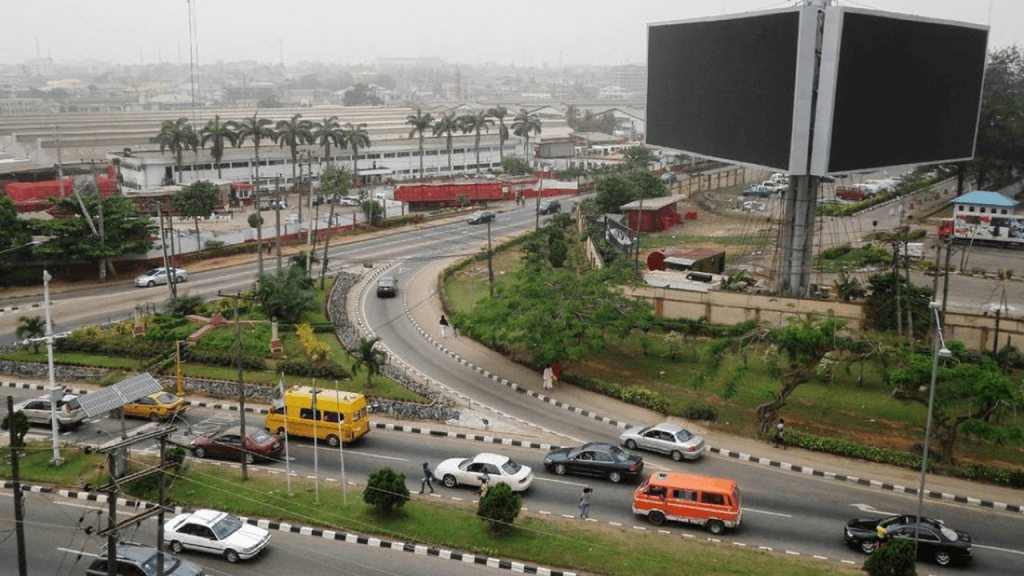
The debate between Ikeja and Gbagada is a perennial fixture in the Lagos rental market, often serving as the final crossroads for professionals moving up the ladder.
These two hubs represent the crown jewels of the Lagos Mainland, yet they offer fundamentally different lifestyles and logistical advantages. For many, the choice feels like a toss-up between the administrative heartbeat of the state and a strategically positioned residential powerhouse that provides the “back door” to the Island.
Most house hunters frame this comparison wrongly by focusing solely on prestige or social status. They ask which area is “fancier” or which has the more recognisable name. In reality, both Ikeja and Gbagada have high-end pockets like Government Reserved Areas (GRAs) and gated phases that rival any upscale neighbourhood in Nigeria. Choosing based on reputation alone ignores the practical realities of living in a megacity where time is the most valuable currency.
The real question you should be asking isn’t which area is better, but which area serves your 24-hour cycle more efficiently. This involves a cold-blooded assessment of where your office is located, your tolerance for the “bridge commute,” and whether you prefer a neighbourhood that feels like a bustling city centre or one that feels like a quiet suburban retreat. A mistake here can mean the difference between a 20-minute drive and a two-hour crawl through Lagos traffic.
This guide will break down the essential data points for 2026, comparing current rental costs, verified commute times, and the quality of social infrastructure. We will look at flood risks at a street-specific level, examine the security profile of managed estates, and provide a decision framework to help you choose the right home on Expert Listing.

The Short Answer
If you work in or around Ikeja, Maryland, or the Alausa Secretariat, living in Ikeja is the logical choice to eliminate the daily congestion at Anthony and Maryland. The convenience of being minutes away from the seat of government and the international airport outweighs the premium you pay for rent in this administrative hub.
If you work in Gbagada, Oworonshoki, or along the Oshodi-Apapa Expressway, Gbagada offers a superior quality of life with significantly lower rent for comparable space. It provides a more relaxed, residential atmosphere while keeping you close to your workplace without the chaos of central Ikeja.
If you work on the Island (Lagos Island, Ikoyi, or Victoria Island), Gbagada is the undisputed winner due to its immediate proximity to the Third Mainland Bridge. It serves as a strategic “halfway house” that allows you to access the Island in under 20 minutes during off-peak hours, a feat that is nearly impossible from most parts of Ikeja.
If you are choosing between the two primarily on lifestyle or address grounds, this guide will help you understand that Ikeja offers a “city-that-never-sleeps” energy with world-class retail, while Gbagada provides a community-focused, family-oriented environment with better-managed residential estates.

Rent Comparison
The rent gap between Ikeja and Gbagada has widened slightly in 2026 as Ikeja consolidates its status as a commercial powerhouse, while Gbagada remains the preferred choice for middle-to-high-income families seeking value. While both areas have seen increases due to inflation and high demand, Ikeja’s high-end segments (Ikeja GRA and Maryland) command a significant premium over Gbagada’s Phase 1 and Phase 2.
Gbagada rent (2026):
| Property Type | Annual Rent Range |
| 1-Bedroom Flat | ₦1,400,000 – ₦2,200,000 |
| 2-Bedroom Flat | ₦2,500,000 – ₦4,500,000 |
| 3-Bedroom Flat | ₦4,500,000 – ₦7,500,000 |
| 4-Bedroom Duplex/Penthouse | ₦9,000,000 – ₦16,000,000 |
Want to live in Gbagada? Check our guide to renting an apartment in Gbagada
Ikeja rent (2026):
| Property Type | Annual Rent Range |
| 1-Bedroom Flat | ₦1,800,000 – ₦3,500,000 |
| 2-Bedroom Flat | ₦3,500,000 – ₦6,500,000 |
| 3-Bedroom Flat | ₦6,000,000 – ₦12,000,000 |
| 4-Bedroom Duplex/Penthouse | ₦15,000,000 – ₦35,000,000 |
Want to live in Ikeja? Check our guide to renting an apartment in Ikeja
The data shows a rental premium in Ikeja of approximately 30% to 50% for standard apartments, ballooning to over 100% for luxury duplexes in the GRA. This premium is driven by Ikeja’s dual-purpose nature; many residential buildings double as corporate offices, and the proximity to the Murtala Muhammed International Airport adds a layer of international demand that Gbagada lacks.
When budgeting, remember that the headline rent is only the beginning. In managed estates in Gbagada Phase 1 or Ikeja GRA, service charges can add another 15% to 25% to your annual cost. These charges typically cover 24-hour security, waste management, and common area lighting. In newer developments, “generator levies” or “power tokens” are standard, and you should inquire if these are inclusive or pay-as-you-go before signing a lease on Expert Listing.
Commute Comparison
If you work in Ikeja:
Living in Ikeja means your commute is often a 5-to-15-minute “internal” drive. However, if you live in Gbagada and work in Ikeja, you face the Anthony/Maryland bottleneck. In light traffic, the drive takes 15 minutes via Anthony and Ikorodu Road. During peak hours (7:00 AM – 9:00 AM), this can stretch to 45 or 60 minutes as traffic converges from the Third Mainland Bridge and Ikorodu Road.
If you work in Gbagada:
Commuting within Gbagada is seamless, often involving short drives within the phases. If you live in Ikeja and work in Gbagada, you are technically moving “against” the heaviest flow of traffic in the morning, which is a significant advantage. The drive from Ikeja to Gbagada during morning peak hours is usually a manageable 25 to 35 minutes, though the return leg in the evening can be much slower.
If you work on the Island:
Gbagada is the superior choice for Island workers. Its location at the foot of the Third Mainland Bridge allows for a 20-minute dash to Ikoyi in light traffic. Even in peak hour traffic, Gbagada residents can reach the Island in 45 to 90 minutes. Residents of Ikeja must first navigate the interior congestion of the Mainland before even reaching the bridge, often adding 30 to 45 minutes to that same journey.
Verdict on commute: Gbagada is the undisputed winner for Island workers, while Ikeja is only practical if your professional life is centred within the Mainland’s northern hubs.

Lifestyle and Social Infrastructure
Ikeja is the retail and entertainment capital of the Mainland, offering a high-octane social life that Gbagada cannot match in sheer volume. However, Gbagada has developed a sophisticated “boutique” social scene that appeals to residents who prefer localised, high-quality hangouts over crowded malls.
Gbagada lifestyle revolves around its residential serenity and a growing list of upscale neighbourhood spots. You can enjoy a refined dining experience at La Branco Restaurant or a casual night out at The Boardroom Bar & Lounge. For traditional Lagos flavours in a clean environment, Aduke Olowosibi Amala Spot is a local favourite. While it lacks a massive mall, the neighbourhood is dotted with well-stocked supermarkets and fitness centres that cater to the health-conscious demographic in the area.
Ikeja lifestyle is dominated by the Ikeja City Mall (ICM), which remains the busiest retail destination on the Mainland. Here, you will find international brands and popular eateries like Ocean Basket. Beyond the mall, Ikeja GRA offers exclusive clubs, high-end spas, and fine dining establishments like La Giara or RSVP. The nightlife in Allen Avenue and Opebi is legendary, offering everything from karaoke bars to upscale lounges that stay open until dawn.
Verdict on lifestyle: Ikeja leads in variety and “big-city” excitement, whereas Gbagada offers a more intimate, community-centric social life.

Flooding Risk
Flooding in Lagos is a seasonal reality, and both areas have specific vulnerabilities that renters must acknowledge before committing to a long-term lease. The primary rainy seasons in April–July and September–October serve as the ultimate test for drainage infrastructure in these neighbourhoods.
In Gbagada, the risk is concentrated in the lower-lying areas and sections close to the canal. Parts of Gbagada Phase 2 and certain streets in Medina Estate have historically struggled with flash flooding during heavy downpours. However, the main arterial roads and Gbagada Phase 1 generally have better elevation and drainage. The proximity to the lagoon means that if the tide is high during heavy rain, water recession can be slow in the most vulnerable streets.
Ikeja is generally higher above sea level than Gbagada, but it is not immune to drainage issues. In Ikeja, the “flooding” is often caused by blocked secondary drains rather than natural topography. Areas around Anifowoshe and certain parts of Olowu can experience significant waterlogging. Conversely, Ikeja GRA is one of the best-drained areas in the state due to its colonial-era planning and consistent maintenance by the state government.
Verdict on flooding: Ikeja GRA offers the best flood protection on the Mainland, while Gbagada requires more street-level due diligence during the rainy season.
Safety and Security
Security is a major factor driving the demand for gated communities in both neighbourhoods. In 2026, the trend has shifted toward technology-aided security, with many estates implementing QR-code visitor management and 24-hour CCTV surveillance at key entry points.
Gbagada has a strong safety profile, particularly within its managed phases. Gbagada Phase 1 and Phase 2 operate under a gated system with restricted access after certain hours. The neighbourhood benefits from a settled, resident-heavy community where “stranger awareness” is high. While the commercial strips near the Gbagada-Oworonshoki Expressway require the usual Lagos vigilance, the interior residential streets are considered safe for evening walks and family life.
Ikeja’s security profile is more complex due to its high commercial density. While the presence of the Governor’s Office and various military/police formations (like the Air Force Base and Police College) provides a high level of “institutional security,” the sheer volume of daily commuters creates pockets of petty crime in commercial hubs like Computer Village or under the bridge. However, Ikeja GRA remains one of the most secure residential zones in Nigeria, frequently patrolled and strictly gated.
Verdict on security: Gbagada offers consistent, community-led security across its main phases, whereas Ikeja security is excellent in the GRA but varies significantly in its commercial zones.
Schools
For families, the proximity to quality education is often the deciding factor. Both Ikeja and Gbagada host some of the most prestigious private schools in Lagos, with established track records and modern facilities.
Gbagada is home to the renowned Grace Schools, which include both a children’s school and a high school. The area also benefits from its central location, allowing students to easily commute to schools in Maryland or Ogudu. The residential nature of Gbagada means many schools have large, dedicated campuses with sports facilities that are harder to find in more congested parts of the city.
Ikeja is an educational hub with a wide variety of options ranging from traditional Montessori schools to international colleges. Grange School in Ikeja GRA is widely considered one of the top British-curriculum schools in the country. Other notable institutions include Chrisland Schools, which has a strong presence in the Ikeja area. The concentration of high-quality schools in Ikeja GRA makes it a primary choice for expatriates and high-net-worth Nigerian families.
Verdict on schools: Ikeja has a slight edge in high-end international options, but Gbagada offers a more relaxed environment for school runs within a residential setting.

Healthcare
Access to healthcare in these areas is excellent, with a high concentration of specialised private hospitals and diagnostic centres that operate 24/7.
Gbagada has developed a “medical corridor” along Hospital Road, anchored by the Gbagada General Hospital. For private care, residents rely on facilities like Clinix Healthcare for advanced diagnostics and specialised treatments. The area is also served by several high-quality private clinics like R-Jolad Hospital, which has a significant presence and modern facilities in the neighbourhood.
Ikeja, as the state capital, is the centre of medical excellence on the Mainland. It houses the Lagos State University Teaching Hospital (LASUTH) for tertiary care. In the private sector, Nisa Premier Hospital offers world-class services, particularly in fertility and maternal care. The GRA and Maryland areas are densely packed with specialist clinics ranging from ophthalmology to cardiology, ensuring that residents are never more than 10 minutes away from a major hospital.
Verdict on healthcare: Ikeja offers more specialised private medical options, though Gbagada’s “medical corridor” provides highly efficient access for most family needs.

Character and Feel
Gbagada feels like a neighbourhood where people live and raise families. During working hours, the phases are quiet, with a suburban atmosphere that is rare in central Lagos. On weekends, the streets are active with joggers and residents visiting local supermarkets. It is a “middle-class haven” where the pace of life is slightly slower, making it ideal for professionals who want to disconnect from the city’s chaos after work.
Ikeja, by contrast, feels like the centre of the world. It is a high-energy, mixed-use environment where a multi-million-naira residence might sit just a few streets away from a corporate headquarters or a bustling market. The feel is one of ambition and constant movement. Even in the quieter parts of the GRA, there is an underlying sense of being at the heart of the action. It suits those who thrive on urban energy and want to be within walking distance of the best restaurants and bars.
Verdict on character: Gbagada is a residential sanctuary; Ikeja is a vibrant, commercial powerhouse—the choice depends entirely on your personal energy level.
The Decision Framework
Use this to make the call:
Choose Gbagada if:
- Your office is located on Lagos Island, Ikoyi, or Victoria Island.
- You want more “square footage” for your money and prefer larger family homes.
- You value a quiet, residential atmosphere with gated estate security.
- You prefer a community where your neighbours are mostly long-term residents and families.
- You want to avoid the extreme peak-hour congestion of central Ikeja.
Choose Ikeja if:
- You work in Alausa, Allen Avenue, or near the Murtala Muhammed International Airport.
- You want immediate access to the best shopping malls and nightlife on the Mainland.
- You are looking for a luxury apartment in a high-prestige zone like Ikeja GRA.
- You travel frequently and need to be within 15 minutes of the airport.
- You prefer an urban, “walkable” lifestyle where entertainment is always around the corner.
If budget is the deciding factor, Gbagada is the clear winner for renters. You can often secure a modern 3-bedroom flat in a gated Gbagada estate for the same price as a 2-bedroom flat in a comparable part of Ikeja. For families who need more space without sacrificing security or a “good address,” Gbagada provides a significantly higher ROI on your annual rent.
Ready to Search in Both Areas?
All listings on Expert Listing are verified before going live to ensure you are dealing with genuine landlords and agents. We take the guesswork out of your search by mapping flood-risk signals at the individual listing level, allowing you to see which streets stay dry before you book a viewing. Our platform is updated in real-time, meaning listings are removed the moment they are rented or sold, saving you from the frustration of “ghost” listings.
Frequently Asked Questions
Is Gbagada more expensive than Ikeja?
No, Gbagada is generally more affordable than Ikeja across almost all property categories. While high-end estates in Gbagada Phase 1 command premium prices, they still trend 20% to 30% lower than comparable properties in Ikeja GRA or Maryland. A 3-bedroom flat in Gbagada averages ₦4.5m to ₦7.5m, whereas in Ikeja, similar units often start at ₦6m and can exceed ₦12m in the GRA.
How long does it take to get to the Island from Gbagada vs Ikeja?
Gbagada offers a much faster commute to the Island because it sits right at the entrance of the Third Mainland Bridge. In light traffic, you can reach Ikoyi from Gbagada in 15 to 20 minutes. From Ikeja, the same trip takes at least 45 minutes because you must first navigate the traffic on Maryland, Anthony, or Ikorodu Road before reaching the bridge.
Which area is safer for a family?
Both areas offer excellent safety within their gated estates, but Gbagada is often perceived as “quieter” for families due to lower commercial foot traffic. Gbagada Phases 1 and 2 have established community associations that manage security strictly. Ikeja GRA is arguably the most secure zone on the Mainland, but other parts of Ikeja are more exposed to the general bustle and security challenges of a commercial capital.
Does Gbagada flood more than Ikeja?
Gbagada has a higher natural risk of flooding in certain low-lying streets due to its proximity to the lagoon and canal systems. However, Ikeja can experience significant flash flooding in areas where drainage systems are older or blocked by commercial waste. When searching on Expert Listing, it is vital to check the specific street-level drainage profile, as flood risk can vary significantly from one block to the next.
Which area has better schools for children between Gbagada and Ikeja?
Both areas are top-tier for education, but Ikeja has a higher concentration of elite international schools like Grange and Chrisland. Gbagada is home to the highly respected Grace Schools and offers a more residential environment that many parents find conducive for school runs. Ultimately, both neighbourhoods provide access to some of the best private education available in Lagos.