Top 13 Cheapest Areas to Rent in Lagos (2026 Guide)
Expert Listing
·
·
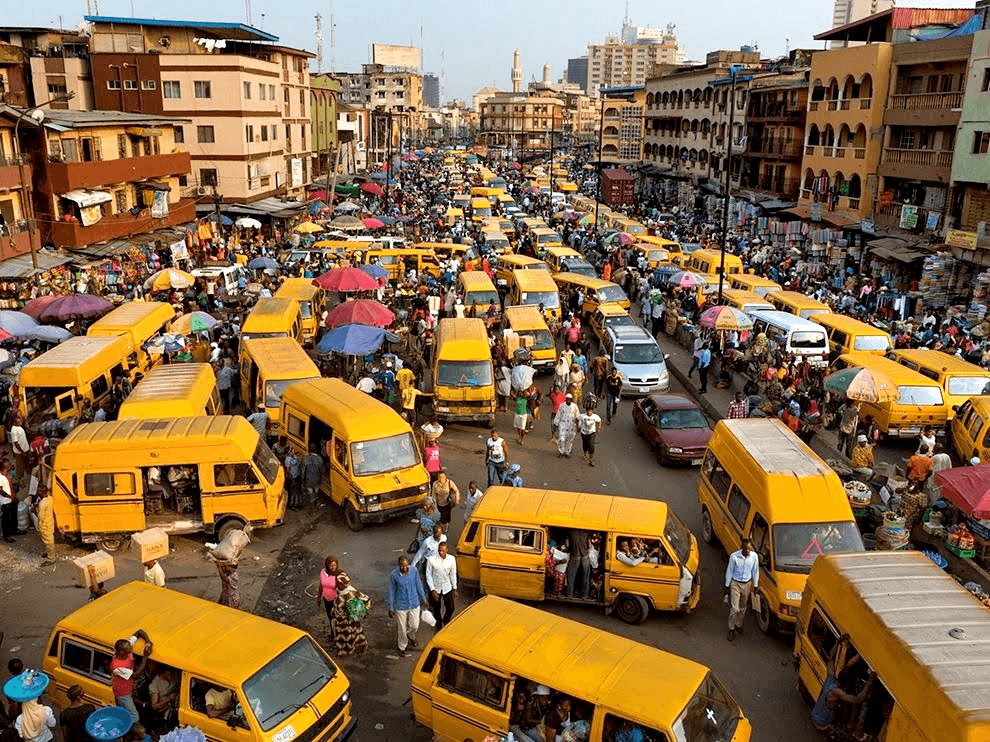
Are you looking for an affordable apartment? Finding cheap areas to rent in Lagos is becoming harder, but it’s not impossible.
In 2024, the Lagos Deputy Governor, Dr Obafemi Hamzat, stated that around 6,000 people enter Lagos daily, and about half of them stay, adding significant population pressure.
Rental prices in Lagos have risen sharply, pushing many people who can’t afford the high costs into slum areas. This surge in rent is linked to the growing number of people moving to Lagos from other parts of the country in search of better economic opportunities.
However, they’re still cheap areas to rent in Lagos. And in this article, we’ll share 13 affordable Lagos neighbourhoods, what kind of tenants they fit, and realistic rent estimates based on current listing trends and published market references.
What Does “Cheap” Rent Mean in Lagos?
In practical terms, cheap rent in Lagos is usually tied to certain property types and specific locations rather than random bargains. You’re more likely to find lower prices in situations such as:
Older buildings
These properties are not necessarily unsafe or structurally poor, but they often come with dated tiles, older plumbing systems, basic kitchen fittings, and minimal renovation. They may lack modern design finishes, POP ceilings, fitted wardrobes, or contemporary bathroom features that newer apartments offer. Because they don’t compete on aesthetics or “luxury appeal,” landlords typically price them lower to attract tenants.
Homes located far from major business districts
Areas such as Victoria Island, Ikoyi, and Lekki are key commercial and corporate hubs where demand for housing is consistently high. Properties situated far from these centers usually involve longer commuting hours, higher transport costs, and more time in traffic. As a result, landlords in distant mainland or outer corridors often reduce rental prices to make those locations more attractive.
Neighbourhoods without premium infrastructure or amenities
Apartments in areas without estate-style security, reliable electricity, proper drainage systems, paved access roads, or consistent water supply tend to be more affordable. In many cases, tenants may need to rely on boreholes, shared meters, generators, or informal waste disposal systems, and this lack of infrastructure is reflected in the rental price.
Outskirts and satellite towns
Locations on the outskirts of Lagos, where housing supply is higher and demand is lower, usually offer more affordable rental options. Many of these areas are still developing, with ongoing construction projects and expanding road networks. Because they are less densely populated than inner-city neighbourhoods, rents tend to remain lower.
It is also important to factor in move-in costs, since the advertised rent is rarely the full amount you will pay upfront in Lagos. Beyond the annual rent, tenants are often required to cover agency fees, legal or agreement fees, caution deposits, and sometimes additional service or maintenance charges.
Although the Lagos State Government has stated under the tenancy framework that agreement fees should not exceed 10 per cent, many tenants report being charged higher amounts in practice. As a result, a property that initially seems affordable can become much more expensive once all related fees are included in the total payment.

The lowest rent areas in Lagos
If your priority is “lowest possible rent,” these locations typically come up first because they sit farther from premium demand centers and still have a steady housing supply:
- Epe
- Ikorodu
- Badagry axis
- Ajegunle (Ajeromi/Apapa axis)
- Oshodi (select pockets)
- Ikotun/Igando
You can find very low-rent listings in these corridors, particularly for rooms and self-contained units. However, the trade-off often comes in the form of longer commute times, weaker infrastructure, and varying building conditions.
Detailed Breakdown of Affordable Lagos Neighbourhoods With Rent Estimates
Ikorodu remains one of the most dependable locations for finding budget-friendly rentals in Lagos, particularly for those who are comfortable living outside the central business districts. The area offers relatively affordable housing options compared to many parts of the mainland and island.
In 2026, tenants can expect annual rents to range between ₦250,000 and ₦500,000 for a room or self-contained apartment, ₦450,000 to ₦900,000 for a mini flat, and approximately ₦700,000 to ₦1.2 million or more for a standard two-bedroom apartment, depending on the exact neighbourhood and property condition.
Ikorodu is especially suitable for students, entry-level professionals, remote workers, and families who prioritize lower rent over proximity to high-demand commercial hubs.
- Epe
If your main goal is strict affordability, Epe stands out as one of the few areas in Lagos where rental prices remain significantly lower than the city average. It is possible to find very modest rates for basic accommodation, especially in older buildings or developing neighbourhoods.
As of 2026, annual rent for a room or self-contained apartment typically falls between ₦150,000 and ₦300,000, while mini flats range from about ₦200,000 to ₦500,000. Two-bedroom apartments generally cost between ₦350,000 and ₦800,000 per year, although pricing can vary widely depending on location, infrastructure, and the condition of the property.
Epe is most suitable for individuals working within the Epe or Ibeju-Lekki corridor, residents who can accommodate longer travel times to central Lagos, and renters who prioritize lower housing costs above proximity to major commercial districts.
- Badagry
Badagry offers relatively affordable rental options largely because demand pressure is lower compared to central Lagos. With fewer corporate hubs and less intense population density, landlords tend to price properties more moderately.
In 2026, annual rent for a room or self-contained apartment typically ranges from ₦250,000 to ₦450,000, while mini flats fall between ₦300,000 and ₦650,000.
Two-bedroom apartments generally cost between ₦600,000 and ₦1.2 million, depending on the exact neighbourhood and property condition.
Badagry is best suited for individuals whose work or lifestyle is based within the axis, traders who operate locally, and families who value larger living spaces over proximity to high-demand commercial centres.
- Ikotun / Igando
Ikotun and Igando remain long-standing affordable corridors within the mainland. The area has a wide housing supply, offering everything from basic self-contained apartments to modest two-bedroom flats.
Rent for a room or self-contained unit typically ranges from ₦250,000 to ₦450,000 annually, mini flats from ₦400,000 to ₦900,000, and two-bedroom apartments from ₦600,000 to ₦1.3 million.
While prices are generally accessible, the condition and infrastructure can vary significantly, so expectations should be realistic.
Ikotun-Igando is ideal for families, couples, mainland employees, and renters seeking lower costs while remaining within an active Lagos environment.
Oshodi can be one of the more affordable central mainland options, but careful inspection is essential before committing. Certain pockets offer low rent, especially for older or basic units, but building quality and surrounding conditions differ from street to street.
In 2026, rooms or self-contained apartments may range from ₦150,000 to ₦400,000 per year, mini flats from ₦350,000 to ₦800,000, and two-bedroom units from ₦500,000 to ₦1.2 million. Oshodi works best for budget-conscious renters who want a relatively central mainland location and are willing to thoroughly assess property quality and neighbourhood safety.
- Mushin
Mushin is a densely populated, commercially active mainland district that typically offers lower rent compared to more polished areas. It is busy and vibrant, with strong trading activity and established residential communities.
Annual rent for a room or self-contained apartment generally ranges between ₦300,000 and ₦600,000, mini flats between ₦700,000 and ₦1.3 million, and two-bedroom apartments between ₦900,000 and ₦1.8 million.
Mushin is particularly suitable for traders, artisans, and mainland workers who want to live within Lagos proper without paying premium rates.
- Agege
Agege provides a reasonable balance between affordability and connectivity. The area benefits from good access routes linking to Ikeja, Ogba, and other key mainland corridors.
Rental costs for rooms or self-contained units typically fall between ₦350,000 and ₦700,000 annually, mini flats between ₦700,000 and ₦1.4 million, and two-bedroom apartments between ₦900,000 and ₦2 million.
Agege appeals to commuters working around the Ikeja-Ogba axis and renters who want accessibility without facing Ikeja’s higher rental prices.
- Abule Egba
Abule Egba is a popular choice for tenants aiming to reduce housing costs while maintaining reasonable access to major roads and transport links. It offers a broad mix of older buildings and mid-range developments. Annual rent for a room or self-contained apartment often ranges from ₦250,000 to ₦600,000, mini flats from ₦500,000 to ₦1.2 million, and two-bedroom flats from ₦800,000 to ₦2 million. The area suits young families, budget renters, and commuters heading toward Ikeja or Ogba who still want mainland convenience.
- Ipaja / Iyana Ipaja
Ipaja and Iyana Ipaja are known for their large supply of entry-level housing, particularly self-contained units and modest flats.
The area continues to attract renters seeking more space at moderate prices. In 2026, rooms or self-contained apartments typically range from ₦250,000 to ₦500,000 annually, mini flats from ₦500,000 to ₦1 million, and two-bedroom apartments from ₦600,000 to ₦1.8 million.
These neighbourhoods are suitable for budget-conscious renters, families seeking space, and individuals working along the western mainland corridors.
- Alimosho (LGA) / Egbeda
Alimosho LGA, including Egbeda, is one of the largest local government areas in Lagos, and pricing varies widely depending on the exact street and development level. However, it is generally recognized for offering more living space at comparatively lower costs than premium mainland zones.
Rent for rooms or self-contained units typically ranges between ₦300,000 and ₦700,000 per year, mini flats between ₦600,000 and ₦1.3 million, and two-bedroom apartments between ₦900,000 and ₦2.5 million, with newer buildings commanding higher prices.
The area is well-suited for families and renters willing to accept longer commute times in exchange for lower rent and larger accommodations.
- Isolo
Isolo contains several budget-friendly pockets, particularly outside newer estate developments. While some parts of Isolo have seen price increases, affordable options remain available in older residential streets.
Annual rent for rooms or self-contained apartments may range from ₦200,000 to ₦650,000, mini flats from ₦700,000 to ₦1.6 million, and two-bedroom units from ₦1 million to ₦2.5 million.
Isolo appeals to renters who want central mainland positioning without paying Ikeja-level prices and who are prepared to search carefully.
- Ajegunle
Ajegunle can offer some of the lowest rental figures within mainland Lagos, especially for older or basic housing stock. However, infrastructure quality varies significantly, and prospective tenants should conduct thorough inspections.
In 2026, rooms or self-contained apartments generally range from ₦150,000 to ₦400,000 annually, mini flats from ₦250,000 to ₦600,000, and two-bedroom apartments from ₦350,000 to ₦900,000.
Ajegunle is best suited for renters operating on very tight budgets and those familiar with the area who understand local conditions.
- Ojodu
Ojodu may not be the absolute cheapest area in terms of average rent, but it remains strategically attractive due to its proximity to Ikeja, Ogba, and Berger. Affordable options still exist, particularly among older properties.
Annual rent for rooms or self-contained apartments typically ranges from ₦250,000 to ₦600,000, mini flats from ₦600,000 to ₦1.3 million, and two-bedroom apartments from ₦900,000 to ₦2 million.
Ojodu works well for commuters seeking connectivity to major mainland corridors while still aiming to secure reasonably priced accommodation.
Cheap Rent In Lagos Mainland Vs Island
If you’re comparing cheap rent in Lagos mainland vs island, here’s the blunt truth:
- The Island (Ikoyi, Victoria Island, Lekki Phase 1, Banana Island, Eko Atlantic) is where rent can become brutal fast.
- The Mainland (especially the outer Mainland) is where cheaper rent is still realistically possible.
A 2025 Lagos residential market report covered by The Guardian highlighted one-bedroom rents reaching extremely high figures in premium locations like Eko Atlantic, with Banana Island, Ikoyi, and VI also sitting at the top end.
The same report referenced much lower average rents in mainland areas like Ikeja and Yaba, and also mentioned Ajah and Gbagada around the lower island/mainland crossover pricing.
So if your target is affordability, the Mainland generally wins, especially the outer Mainland and satellite towns.

Quick Checklist Before You Pay For A “Cheap” Apartment
Cheap rent is only a smart choice if it doesn’t come with hidden costs or ongoing stress. Before committing to any apartment, take time to verify a few critical details:
- Water supply: Confirm whether the property has a functioning borehole, running tap water, or a shared water system. Ask how consistent the supply is and whether tenants contribute separately for water maintenance.
- Power situation: Find out how many hours of electricity the area typically receives each day, whether the apartment has a prepaid meter, and what the rules are regarding generator usage or shared fuel contributions.
- Flooding history: Ask neighbours about past flooding incidents and inspect the drainage system around the building, especially during rainy seasons. Poor drainage can quickly turn a cheap apartment into a costly mistake.
- Security conditions: Don’t settle for vague assurances like “it’s safe.” Ask practical questions about theft incidents, community security measures, street lighting, and whether there is any form of organised security presence.
- Total move-in cost: Break down every required payment, including annual rent, agency fees, agreement or legal fees, caution deposits, and any additional charges. Understanding the full financial commitment upfront helps prevent unpleasant surprises after you’ve decided to move in.
Final thoughts
Lagos continues to grow, and rising demand has pushed rental prices higher across many parts of the city. However, developing corridors such as Ikorodu, Epe, Badagry, Ikotun, Ipaja, and parts of Alimosho and Oshodi are some of the cheapest areas to rent in Lagos.
The key is understanding the trade-offs. Lower rent often comes with longer commute times, fewer amenities, or older buildings. It is also important to calculate the full move-in cost, including agency and agreement fees, so the apartment remains truly affordable.
With careful research, realistic expectations, and proper inspection, you can still find budget-friendly accommodation in Lagos without overstretching your finances. If you want to find out the rent rates and compare prices, we offer verified property listings for sale & rent in Lagos.